
Chemical Certificates of Origin: Importance in International Trade and Customs Clearance
Chemical certificates of origin can determine whether a chemical shipment clears customs smoothly, qualifies for preferential tariffs or faces additional documentation requirements. For chemical traders and procurement teams handling international orders, these documents connect product traceability with customs procedures, trade agreements and buyer requirements.
A Certificate of Origin (COO) identifies the country where goods originate under the applicable rules of origin. In chemical trade, this distinction matters because manufacturers, processing facilities, exporting companies and shipping routes may involve several different countries.
Importers need accurate origin documentation to support customs declarations and establish eligibility for trade preferences where applicable. Exporters also benefit from preparing the correct certificate before dispatch, reducing the risk of paperwork discrepancies that delay delivery or complicate payment.
What Is a Certificate of Origin in Chemical Trade?
A Certificate of Origin is a trade document that confirms the declared country of origin of goods in a shipment. An authorised issuing body or an approved self-certification arrangement provides the relevant proof, depending on the destination country's requirements and the applicable trade agreement.
For chemical products, the country of origin does not necessarily match the country from which a shipment departs. A distributor may export a chemical from a warehouse in one country even though a manufacturer produced it in another, so traders must distinguish the origin of the goods from their shipping location.
A COO typically contains key shipment and product details, including:
Exporter and importer information: The names and addresses of the parties involved in the transaction.
Product description: A clear description of the chemical, its commercial identity and relevant shipment details.
Country of origin: The country determined under the applicable origin rules.
Classification and quantity: Relevant tariff codes, package counts, weights or other required quantity details.
Certification details: The issuing authority's identification, reference number, date and authentication details where required.
These details help customs authorities compare the certificate with the commercial invoice, packing list, transport documents and import declaration.
Preferential and Non-Preferential Certificates: What Is the Difference?
Chemical importers and exporters should understand the two main categories of certificates because each serves a different trade purpose.
Non-preferential Certificates of Origin establish the declared origin of goods without claiming a reduced tariff under a specific trade agreement. Customs authorities or commercial partners may request them to support import procedures, trade-policy measures or documentary requirements.
Preferential Certificates of Origin provide evidence used to claim reduced customs duties or exemptions under an eligible free trade agreement or other preferential arrangement. The shipment must meet the relevant rules of origin, and the importer must satisfy the agreement's documentary and procedural requirements.
Consider a chemical distributor exporting a product to a country with a preferential trade agreement. If the product qualifies under the agreement's origin rules, the importer may be able to claim a lower tariff by presenting the required proof of origin.
However, a certificate alone does not guarantee preferential treatment. The product must qualify under the applicable rules, the documentation must meet the agreement's requirements and the importer must follow the destination country's claim procedures.
Why Certificates of Origin Matter for Customs Clearance
Customs clearance involves more than presenting a commercial invoice and arranging transport. Authorities may require proof of origin to determine the appropriate customs treatment, verify declared information or apply relevant trade measures.
A correctly prepared certificate supports several important parts of the import process.
Customs assessment: The declared origin helps authorities determine which origin-related tariff and trade measures apply to the shipment.
Tariff eligibility: Preferential origin documentation can support a valid claim for reduced duties where the goods qualify.
Documentary compliance: Importers can meet applicable requirements imposed by customs authorities, banks or contractual partners.
Shipment coordination: Consistent information across the certificate, invoice and transport documents helps reduce avoidable queries.
Commercial transparency: Buyers gain clearer evidence of the declared origin of the chemicals they purchase.
Missing certificates, incorrect country declarations or conflicting product descriptions can trigger requests for clarification and additional review. Depending on the destination country's procedures, these issues may delay release, affect duty treatment or require the exporter to obtain corrected documentation.
How Chemical Origin Rules Apply to Different Products
Chemical supply chains often involve multiple production stages, making origin determination an important part of export preparation. The correct country of origin depends on the applicable legal rules and the actual production history of the goods, not simply the location of the seller or warehouse.
For example, a chemical may undergo manufacturing, formulation, blending or repackaging in different countries. These activities do not automatically establish a new country of origin, because the relevant rules may require a particular level of processing or a qualifying change in tariff classification.
Procurement and export teams should pay particular attention to the following situations:
Chemicals produced in one country and shipped through another: Transit or re-export does not automatically change the product's origin.
Products made using imported raw materials: The origin determination may depend on the production process and the specific rules governing the finished chemical.
Blended or formulated products: The origin treatment depends on the applicable criteria and the nature of the processing performed.
Products sourced through distributors: The exporter may need supporting manufacturer declarations or other evidence to substantiate the declared origin.
Chemical buyers should request origin information early in the purchasing process, particularly when a tariff preference or a specific country-of-origin requirement affects the transaction.
Who Issues Certificates of Origin and Which Documents Are Needed?
The issuing authority depends on the exporting country, the destination market and the type of certificate required. Chambers of commerce commonly issue non-preferential certificates, while designated government agencies or other authorised bodies may issue preferential certificates under particular trade arrangements. Some agreements also allow approved self-certification.
Exporters generally need to prepare supporting commercial and shipment information before applying. The exact list varies by jurisdiction and certificate type, but common documents include:
Commercial invoice showing the product description, transaction details and parties involved.
Packing list identifying the packages and quantities in the shipment.
Bill of lading or airway bill, when required by the issuing process.
Manufacturer declarations, production records or other evidence supporting the declared origin.
Export declarations and product classification information where applicable.
The exporter should confirm the requirements with the relevant issuing authority before submitting an application. Inaccurate product descriptions, inconsistent invoice details or insufficient origin evidence can lead to corrections and additional processing.
Electronic Certificates of Origin and Digital Verification
Digital trade systems have made origin documentation easier to submit, process and verify in many markets. Electronic certificates can reduce paperwork handling, improve application tracking and help authorities authenticate issued documents.
Pakistan provides one example through the Trade Development Authority of Pakistan (TDAP) and the Pakistan Single Window (PSW) system. Eligible exporters can submit applications for electronic Certificates of Origin, track processing and access approved documents through the platform. The system also supports digital authentication features, including electronic signatures and QR codes.
For chemical exporters, electronic processing can improve document coordination and reduce the need for physical visits. However, businesses must still select the correct certificate type, provide accurate supporting information and comply with the importing country's document acceptance requirements.
Common Documentation Errors That Delay Chemical Shipments
Even experienced chemical traders can encounter customs delays when origin documents contain inconsistencies. These errors often arise when several suppliers, freight forwarders, manufacturers and buyers exchange information across different systems.
The most common problems include:
Incorrect origin declarations: The certificate identifies a country that does not match the origin established under the applicable rules.
Mismatched product descriptions: The chemical name, grade or commercial description differs from the invoice or other shipping documents.
Incorrect tariff classification: The certificate or supporting paperwork contains a classification that conflicts with the import declaration.
Missing authentication: The document lacks a required signature, stamp, electronic validation or approval.
Late preparation: The exporter starts the application too close to the shipment date, leaving insufficient time for corrections.
Wrong certificate type: The exporter provides a non-preferential certificate when the buyer needs proof that satisfies a specific preferential arrangement.
These issues can create extra administrative work, increase storage or demurrage costs and disrupt delivery schedules. Importers should review draft documentation before dispatch, while exporters should establish a consistent verification process for every shipment.
How Certificates of Origin Affect Chemical Procurement Costs
The financial importance of origin documentation extends beyond customs paperwork. For chemical buyers importing large volumes of industrial raw materials, the applicable tariff treatment can influence the landed cost and competitiveness of a purchase.
A valid preferential claim may reduce import duties when the shipment qualifies under the relevant agreement. Conversely, missing or unacceptable proof of origin may prevent the importer from receiving the expected concession, depending on local rules and available correction procedures.
Procurement managers should consider the following factors when evaluating suppliers:
Total landed cost: Compare the chemical price, freight, insurance, applicable duties, taxes and clearance-related expenses.
Origin eligibility: Confirm whether the product qualifies for a preferential tariff and what supporting evidence the importer needs.
Documentation readiness: Ask suppliers to confirm whether they can obtain the required certificate before shipment.
Delivery risk: Include the potential cost of customs queries, storage charges and revised delivery schedules in supplier assessments.
Contractual responsibilities: Specify who prepares the certificate, who pays associated fees and how the parties handle document errors.
A lower quoted product price may not produce the best commercial outcome if the supplier cannot provide the required origin documentation. Buyers should therefore evaluate documentary reliability alongside price, quality, availability and delivery performance.
What Chemical Traders Should Do Before Shipping
A practical origin-documentation process starts before the purchase order becomes a shipment. Early coordination gives exporters time to collect supporting evidence and helps importers confirm that the proposed documents meet destination requirements.
Use this checklist when arranging international chemical shipments:
Confirm destination requirements. Ask the importer or customs broker which type of origin proof the destination requires and whether a specific form or electronic format applies.
Establish the correct origin. Obtain relevant information from the manufacturer and assess the product against the applicable origin rules.
Prepare consistent documentation. Match product descriptions, invoice references, quantities and party details across the shipment documents.
Apply through the appropriate channel. Use the authorised issuing body or an approved self-certification process where permitted.
Review the completed certificate. Check the declared origin, product details, authentication and other mandatory fields before sending the document to the buyer.
Share documents promptly. Provide the certificate and associated paperwork to the importer or broker in time for the planned customs declaration.
Retain supporting records. Keep the certificate, application evidence and relevant transaction documents according to applicable retention requirements.
This process works best when both parties assign clear responsibility for origin documentation. A supplier should not assume that the buyer can resolve every discrepancy after the goods arrive, and an importer should not wait until the shipment reaches port to identify missing paperwork.
What Buyers Should Prioritise in International Chemical Trade
Chemical certificates of origin support smoother customs clearance, transparent sourcing and appropriate tariff treatment. Their value increases when buyers source through complex supply chains, purchase from international distributors or rely on preferential trade arrangements to manage landed costs.
Procurement teams should make origin documentation part of supplier onboarding and purchase-order planning rather than treating it as a final shipping formality. Exporters can strengthen buyer confidence by maintaining reliable production records, coordinating with authorised issuing bodies and delivering consistent documents on schedule.
The most effective approach combines accurate origin determination, early communication and careful document review. These practices help chemical traders manage compliance requirements while reducing preventable delays and protecting the commercial value of international transactions.
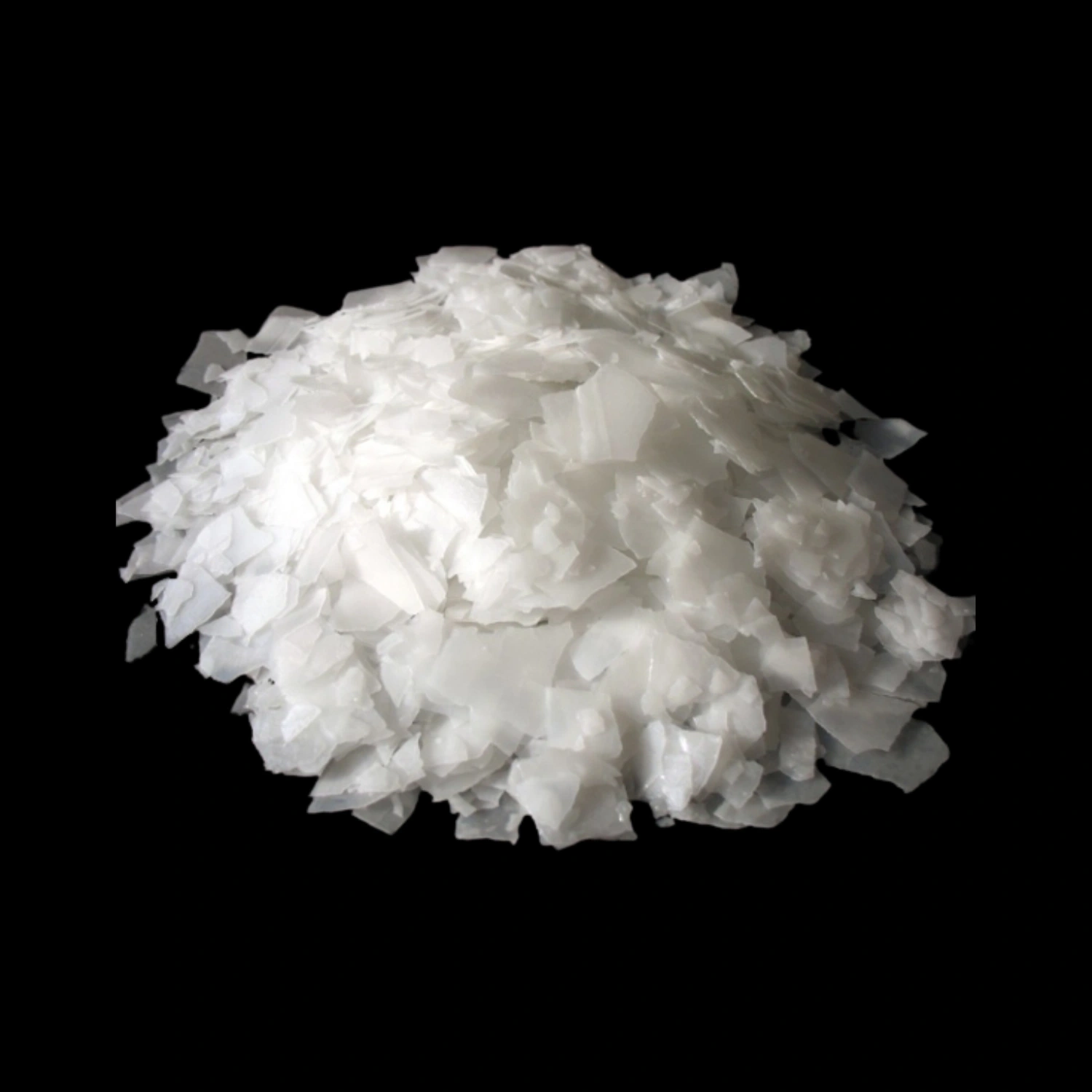
Caustic Soda Flakes
SOURCE LINK: https://www.wcoomd.org/
Found this useful?