Chemical Demand Destruction in 2026: Why Prices Retreated After the Spike
US polyethylene prices fell by $276 to $408 per tonne between mid-April and early June 2026, wiping out much of the rally that followed the closure of the Strait of Hormuz. Chemical demand destruction in 2026 explains why the spike did not last.
Buyers paid record prices in March and early April. Then they stopped. Converters cut orders, drew down stocks and waited.
The pattern repeated across many chemical markets. This article explains how the spike formed, why demand gave way and what procurement teams should do while prices stay unsettled.
What Demand Destruction Means for Chemical Buyers
Demand destruction happens when high prices push end users to cut volumes for good. They reduce usage, delay purchases or redesign products to use less of the chemical.
It differs from a normal dip in demand. Buyers do not wait for a lower price and then return at the same volume. Some of that consumption disappears.
Past spikes in minor metals followed the same script. A sharp rise triggered substitution and new supply, and prices then fell even though underlying fundamentals looked tight.
How the 2026 Spike Formed
War in the Middle East and the effective closure of the Strait of Hormuz cut Persian Gulf exports. Western producers with low-cost feedstock gained from tight supply and wider margins.
Markets had already begun to recover before the war. Analysts at the March petrochemical conference said commodity prices were rising from historic lows when the conflict began and prices then surged.
Fear drove much of the buying. Market participants reported panic purchases at high prices, which inflated inventories across the supply chain.
Why Prices Retreated So Quickly
Downstream consumption could not absorb the high-priced supply. S&P Global reported that higher prices gained traction only from March to mid-April and then largely failed.
Four forces pushed prices down:
Inventory overhang: buyers who stocked up in March had little reason to buy again in May.
Weak end demand: converters and consumers resisted higher prices and cut orders.
Supply recovery: European crackers reopened and Chinese plants raised operating rates to fill the gap.
Chinese competition: cheaper Chinese offers pulled business away from exporters elsewhere.
Each force fed the next. Falling prices encouraged buyers to delay further, which deepened the slide.
The Polyethylene Example
US polyethylene shows the cycle clearly. Export demand surged in March, with LLDPE exports up 24% from February and HDPE up 18.3%.
The reversal came fast. American Chemistry Council data show LLDPE exports fell 10.2% in April, LDPE fell 6.7% and HDPE fell 3%.
Prices followed. From mid-April to 2 June, LLDPE butene fell by $408 per tonne, HDPE blow-molding by $375 and LDPE by $276. High domestic inventories and weak derivatives demand added to the drop.

Producers Saw the Gains Fade
Earnings tell the same story. PETRONAS Chemicals posted a profit in the second quarter, and analysts at TA Securities called that quarter the peak, driven by an exceptional price spike.
The same research house expects olefins and derivatives prices to face greater pressure from subdued downstream demand and structural oversupply. It sees urea and methanol on firmer ground because of food security needs and China’s export controls.
Margins stayed fragile even during the rally. S&P Global noted that buyers’ affordability limits and cautious purchasing repeatedly undermined producers’ attempts to recover margins.
Regional Differences
The pain did not spread evenly. Asia faced the sharpest cost pressure and, according to S&P Global Market Intelligence, the greatest eventual risk of demand destruction.
Europe and India took a cautious approach for the rest of 2026. Buyers there watched inventories closely and ordered in small lots.
North America benefited from low-cost ethane and strong exports early on. Those exports then faded as other regions restored supply.
The Structural Backdrop
The spike masked a deeper problem. Before the war, analysts blamed the long chemical downturn on overcapacity, weak demand and rising energy and decarbonisation costs.
Those factors have not gone away. New capacity keeps arriving, and a temporary supply shock cannot absorb it for long.
Some products escaped the pattern. Sulphur prices had already faced affordability limits before the war, and demand destruction was a factor even then.
What Buyers Should Do Now
S&P Global expects continued downside pressure and volatility through year-end. Buyers face a market where sudden price moves remain likely in both directions.
Buy in smaller lots and avoid long forward commitments at peak levels. Rebuild inventory gradually, because consumers who destocked aggressively are doing the same.
Track three signals each week. Watch regional inventories, Chinese operating rates and cracker restarts, since all three move prices before the headlines do. Add flexible price formulas to contracts, and keep two or more qualified suppliers for every critical grade.
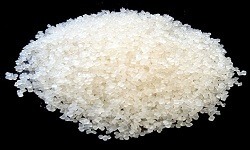
Linear-Low Density Polyethylene (LLDPE)
Found this useful?