Terephthalic Acid (PTA): From Provisional to Definitive EU Duties on Korea and Mexico
The European Commission imposed provisional duties on terephthalic acid from South Korea and Mexico in April 2026. It made them definitive in August. EU anti-dumping duties on PTA now sit at 6.1% to 13.3% for Korea and 24.1% for Mexico.
The case matters well beyond the two exporters. PTA feeds the PET and polyester chains, so any change in its landed cost reaches bottles, films, packaging and textile fibre.
Importers who bought from Korea or Mexico must now rework their cost models. This article explains how the case unfolded, which rates apply and how buyers can protect margins.
What PTA Is and Why the EU Protects It
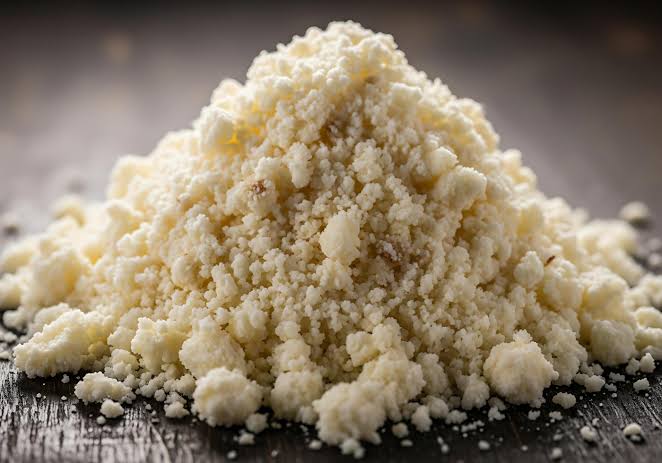
Purified terephthalic acid is a white crystalline powder. It serves as the main building block for polyethylene terephthalate (PET).
PET goes into bottle-grade resin, food packaging, film and polyester fibre. The case covers terephthalic acid with a purity of 99.5% or more by weight.
The Commission calls PTA a strategic commodity. It values the EU market at about €1.4 billion, and producers in Belgium, Poland and Spain employ around 600 people directly.
How the Case Unfolded
The timeline ran close to a full year:
13 August 2025: the Commission opened the investigation after a complaint from Ineos Aromatics on behalf of EU industry.
9 April 2026: the Commission adopted provisional duties under Regulation (EU) 2026/801.
11 April 2026: the provisional duties took effect at the border.
10 August 2026: the Commission announced definitive duties under Regulation (EU) 2026/1904.
The Commission found that exporters sold PTA in the EU at dumped prices and caused injury to EU producers. Alpek, a Mexican producer, argued that its imports did not cause injury and that the Commission should not assess them together with Korean volumes. The Commission still applied duties to both origins.
Provisional Duty Rates and the Taekwang Exception
Provisional rates ranged from 6.2% to 25.7% across Korean and Mexican exporters. The Commission set them company by company, based on each exporter’s dumping margin.
One Korean producer escaped the measure. The Commission found no dumping by Taekwang Industrial, so the company kept duty-free access to the EU market.
That exception shows why exporter names matter. A shipment from Korea can face a duty or none at all, depending on the producer.
Definitive Duties Replace the Provisional Rates
The definitive rates came out slightly different from the provisional ones. The Commission set them at:
South Korea: 6.1% to 13.3%, depending on the company.
Mexico: 24.1% for exporters from that country.
Taekwang Industrial: no duty, as in the provisional stage.
The regulation also collects the provisional duties definitively, those in force since 11 April 2026. Definitive measures normally last five years and stay open to interim and expiry reviews.

Impact on Korean and Mexican Exporters
Mexico faces the heavier burden. A 24.1% duty cuts deeply into the price edge that attracted EU buyers, and Mexican exporters must now look at other regions.
Korean exporters face a more mixed picture. Companies with lower rates can still compete, and Taekwang keeps full access.
Both origins may redirect volume. Expect more offers into markets in Asia, the Americas and the Middle East, which could add pressure on local PTA prices there.
Cost and Supply Effects for EU Buyers
The duties raise the landed cost of dutiable cargo. EU PET and polyester producers that relied on Mexican or Korean PTA must either pay the duty or switch supplier.
EU producers gain room on price. They can lift offers toward the duty-inclusive import level and still compete with dutiable cargo.
Supply concentration adds risk. Platts reported that only three main PTA producers remain in Europe, so a plant outage hits the market hard when import options shrink.
Sourcing Options and Compliance Steps
Buyers have several routes, and each carries trade-offs:
Duty-free Korean supply: Taekwang material enters without duty, which makes it the closest substitute for dutiable Korean grades.
EU producers: local supply cuts lead times and customs exposure, though prices follow the import floor.
Other origins: suppliers outside Korea and Mexico face no measure under this case, but they need quality qualification.
Check the details on every purchase. Verify the exporter name against the regulation, confirm the 99.5% purity threshold and keep origin certificates ready for customs.
Watch for circumvention. Routing dutiable PTA through another country to avoid duty can trigger an extension of measures. Exporters and importers can also challenge the regulation before the EU courts.
What Buyers Should Do Now
The duties are definitive, so the window for preparation has closed. Focus on adjustment.
Start with a supplier audit. List each PTA source by country, exporter name and applicable duty rate. Then update your cost model for PET and polyester lines.
Next, secure a second source. Qualify at least one duty-free supplier and test its material early. Finally, add duty-change clauses to every contract and tie pricing to a transparent reference. Buyers who do this now will absorb the next trade shock with less pain.
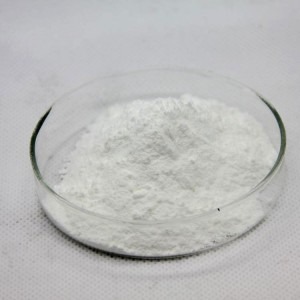
Purified Terephthalic Acid
Found this useful?