
Chemical Drum Reconditioning: Quality, Safety and Sustainability Considerations
Chemical Drum Reconditioning: Quality, Safety and Sustainability Considerations
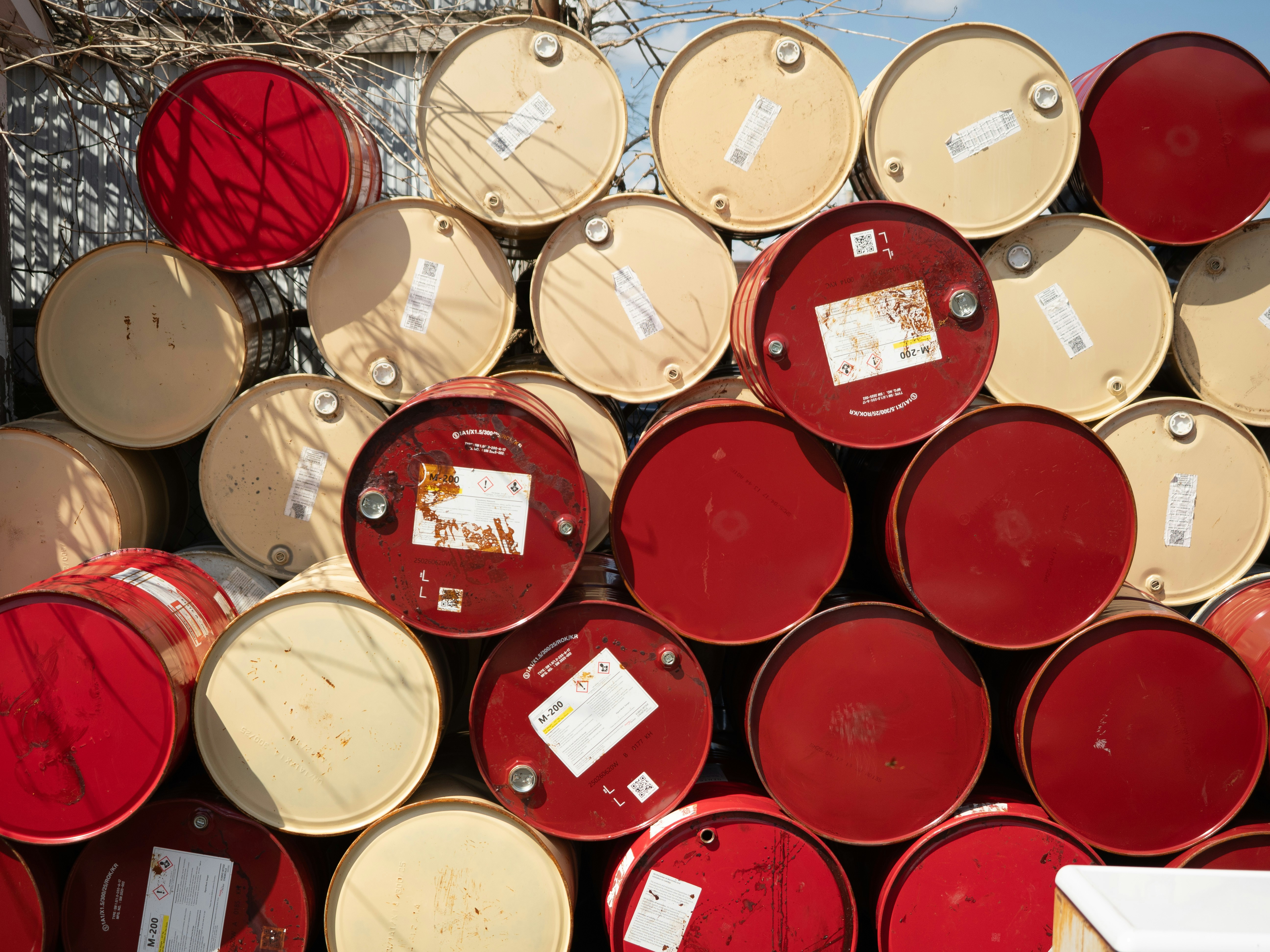
Chemical drums play an important role in transporting and storing industrial materials, including solvents, acids, oils, resins, paints and other chemical products. After their contents have been used, these containers may be discarded, recycled or sent to specialised facilities for reconditioning.
Chemical drum reconditioning is the process of cleaning, inspecting, restoring and testing used drums so they can be considered for reuse. It supports resource efficiency by extending the useful life of suitable containers and reducing demand for new packaging. However, reconditioning requires strict quality controls and safe handling because previously used drums may contain hazardous residues, damaged components or contaminants.
For chemical manufacturers, distributors and packaging suppliers, understanding the reconditioning process is important for maintaining packaging quality, protecting workers and supporting responsible material management.
What Is Chemical Drum Reconditioning?
Chemical drum reconditioning involves returning suitable used drums to a condition appropriate for reuse. Depending on the container material and its previous contents, the process may include residue removal, washing or thermal treatment, surface preparation, repairs, component replacement, inspection and testing.
Industrial reconditioning facilities commonly handle:
Steel drums
Plastic and high-density polyethylene (HDPE) drums
Intermediate bulk containers (IBCs)
Drums previously used for oils, solvents, resins, paints and industrial chemicals
The process differs according to the drum's construction, previous chemical contents and intended next application. A container suitable for general industrial use may not automatically be suitable for transporting dangerous goods or storing a product with strict purity requirements.
Main Stages of the Drum Reconditioning Process
1. Collection and Initial Sorting
Used drums are collected from industrial customers and transported to a reconditioning facility. Before processing, each container should be assessed using available information about its previous contents, condition and intended reuse.
Initial sorting helps identify drums that can be reconditioned, those requiring additional assessment and those that should be rejected.
Containers with unknown contents, incompatible chemical residues or significant structural damage require particular attention. A drum should not be accepted for routine processing simply because it appears empty.
2. Residue Removal and Cleaning
Cleaning removes remaining chemicals, deposits and contaminants from the drum's interior and exterior.
Common industrial approaches include:
Water and detergent washing
Caustic washing where chemically appropriate
Pressure rinsing
Steam or thermal treatment
Mechanical cleaning and surface preparation
The cleaning method must be compatible with the previous contents and drum material. Chemical reactions, flammable vapours and hazardous wastewater must be considered before selecting a process.
Cleaning effectiveness should be verified against the requirements of the drum's intended reuse. Visual cleanliness alone may not establish that chemical residues have been adequately removed.
3. Inspection and Structural Assessment
After cleaning, drums should undergo inspection to identify defects that could affect their performance.
For steel drums, inspection may include checks for:
Corrosion and pitting
Reduced metal thickness
Cracks and damaged welds
Deformed chimes
Damaged threads and closures
Defective sealing surfaces
Plastic drums require checks for cracks, deformation, deterioration and damaged closures.
Containers that fail the applicable acceptance criteria should be rejected, repaired where permitted or directed to an appropriate recycling or disposal route.
4. Repair and Component Replacement
Where permitted by the applicable standard and intended use, suitable drums may undergo restoration work.
This can include straightening deformed components, restoring the original shape, repairing permitted defects and replacing non-integral gaskets or closure components.
Repairs must not compromise the container's structural integrity or its ability to contain the intended material safely.
5. Testing and Quality Verification
Testing confirms whether a reconditioned drum meets the performance requirements for its intended application.
Depending on the drum type and regulatory requirements, quality checks may include:
Leakproofness testing
Visual inspection
Dimensional checks
Closure and gasket verification
Performance testing where required
Verification of markings and documentation
For example, U.S. Department of Transportation regulations under 49 CFR §173.28 describe reconditioning requirements for metal drums, including cleaning, restoration, inspection and rejection of containers with significant defects.
Quality Requirements for Reconditioned Chemical Drums
Quality assurance is essential because a reconditioned drum must remain suitable for its intended storage or transportation purpose.
Material Compatibility
The drum material must be compatible with the chemical it will contain. A container previously used for one chemical should not automatically be assigned to another product without assessing material compatibility and possible contamination.
Steel and plastic drums have different chemical resistance, temperature limitations and mechanical properties. These differences should be considered during selection and approval.
Cleanliness and Contamination Control
Residual chemicals can contaminate a new product, cause unwanted reactions or affect product quality.
This is particularly important when drums are reused for:
Pharmaceutical and speciality chemicals
Food-related ingredients
High-purity industrial materials
Reactive chemical products
Products with strict odour or colour requirements
Where necessary, cleaning verification should include appropriate analytical or process-based checks rather than relying only on visual inspection.
Leakproofness and Closure Integrity
Closures, bungs, gaskets and sealing surfaces must function correctly to prevent leakage during storage and transportation.
Testing procedures should follow the applicable packaging specification and regulatory requirements. Failed containers should be rejected or processed again only where permitted.
Traceability and Documentation
A quality management system should maintain records of drum origin, inspection findings, cleaning procedures, repairs, testing results and final disposition.
For regulated dangerous-goods packaging, required reconditioning marks and performance information must be applied correctly. Markings should never imply a level of performance that the drum has not demonstrated or is not authorised to carry.
Safety Considerations in Drum Reconditioning Facilities
Used chemical drums can remain hazardous even when they appear empty. Residues may remain in seams, closures and other internal surfaces. Opening, washing, heating or mechanically processing a drum can release dangerous vapours or create additional hazards.
Chemical Exposure and Residual Contamination
Workers may be exposed to corrosive substances, toxic residues, solvents and other hazardous materials.
Facilities should identify previous contents wherever possible, review relevant safety data sheets and establish procedures for handling unidentified or rejected containers.
Appropriate controls may include enclosed processing systems, local exhaust ventilation, chemical-resistant PPE and suitable respiratory protection based on the risk assessment.
Fire and Explosion Prevention
Drums that previously contained flammable liquids may retain combustible vapours. Cutting, welding, heating or other work that creates ignition sources can result in fires or explosions if containers have not been properly prepared.
Facilities should control ignition sources, assess flammable atmospheres and use equipment and procedures appropriate to the identified hazards. A drum should never be assumed safe for hot work simply because it has been drained or rinsed.
Safe Operation of Cleaning and Thermal Equipment
Washing systems, pressure equipment and thermal treatment units introduce their own risks.
Operational controls should address:
Machine guarding and safe access
Pressure-related hazards
Hot surfaces and steam
Ventilation and emissions
Chemical handling and transfer
Equipment inspection and maintenance
Worker training and emergency response
Thermal treatment must be performed using appropriately designed and authorised equipment with suitable emission and process controls.
Storage and Handling of Used Drums
Used containers should be segregated according to their contents, condition and processing status. Leaking, damaged or unidentified drums require controlled handling and suitable containment.
Facilities should establish procedures for safe unloading, movement, stacking and temporary storage to reduce the risk of spills, exposure and physical injuries.
Sustainability Benefits of Chemical Drum Reconditioning
Reconditioning supports a circular approach to industrial packaging by keeping suitable containers in use for longer.
Reduced Demand for New Packaging
Reusing suitable drums can reduce the need to manufacture replacement containers. This can help conserve raw materials and reduce the environmental impacts associated with producing new steel and plastic packaging.
Waste Reduction
Reconditioning diverts suitable containers from immediate disposal and can reduce the volume of packaging waste generated by industrial operations.
Drums that cannot be safely reused may still be directed towards material recycling, depending on their condition and contamination status.
Resource and Energy Efficiency
The environmental benefits depend on the cleaning technology, energy consumption, transport distances, water use and waste-treatment requirements.
Facilities can improve resource efficiency through process optimisation, equipment maintenance, water management and recovery of suitable materials.
Wastewater and Emissions Management
Cleaning processes can generate contaminated wash-water, sludge, filters and other residues. Thermal processes may also generate air emissions that require appropriate treatment and monitoring.
Sustainable operations should include:
Segregation of waste streams
Treatment and responsible disposal of wastewater
Recovery or reuse of water where appropriate
Control of air emissions
Safe handling of contaminated sludge
Recycling of rejected metal and plastic containers
The Canadian government's environmental code of practice for chemical-sector operations recommends minimising cleaning waste and considering methods such as pressure rinsing where appropriate.
Regulatory and Industry Considerations
Requirements for reconditioned drums vary according to the country, container type and intended application.
In the United States, the Environmental Protection Agency (EPA) provides guidance on used drum management and reconditioning under the Resource Conservation and Recovery Act (RCRA). Its guidance highlights the importance of ensuring that containers meet applicable empty-container requirements before being sent for reconditioning.
For packaging used to transport dangerous goods, the U.S. Department of Transportation's 49 CFR requirements address reuse, reconditioning and remanufacturing. Section 173.28 includes requirements for cleaning, restoration and inspection of reconditioned metal drums.
In Canada, CAN/CGSB-43.126 addresses the reconditioning, remanufacturing and repair of steel and plastic drums used for transporting dangerous goods. Transport Canada also outlines facility registration and quality assurance requirements for applicable operations.
Companies should verify the latest applicable legislation, standards, registration requirements and marking rules in every market where their containers will be used.
Best Practices for Drum Reconditioning Companies
A reliable reconditioning operation combines documented procedures, trained personnel and consistent quality verification.
Recommended practices include:
Identify previous contents: Obtain accurate information about the chemicals previously stored in each drum.
Establish acceptance criteria: Define which drums can be processed, which require further assessment and which must be rejected.
Use compatible cleaning methods: Select processes according to chemical residues and container materials.
Control worker exposure: Provide suitable ventilation, equipment, training and PPE.
Inspect after cleaning: Assess structural condition when defects are visible and can be properly evaluated.
Verify performance: Conduct the inspections and tests required for the intended application.
Maintain traceability: Record processing, repair, testing and final approval information.
Manage waste responsibly: Treat wastewater, residues and rejected containers according to applicable requirements.
Review performance regularly: Monitor defects, customer complaints, cleaning effectiveness and process efficiency.
What Industrial Buyers Should Check Before Reusing Reconditioned Drums
Buyers should evaluate more than the appearance and purchase price of a reconditioned container.
Important checks include:
Drum material and chemical compatibility
Intended product and application
Cleaning and inspection records
Leakproofness or other required test results
Closure and gasket condition
Applicable certification and reconditioning marks
Supplier quality management procedures
Traceability and documentation
Storage and transportation suitability
For dangerous-goods transportation, buyers should confirm that the container meets the applicable packaging requirements and is authorised for the intended service.
The Role of Drum Reconditioning in Sustainable Industrial Packaging
Chemical drum reconditioning provides manufacturers and distributors with an opportunity to extend packaging life, reduce material consumption and improve industrial resource efficiency.
However, reuse must always be supported by reliable cleaning, structural inspection, testing and documentation. Safety cannot be compromised to achieve lower packaging costs or higher reuse rates.
As industries continue to focus on circular packaging systems and responsible chemical management, professional drum reconditioning can contribute to more efficient supply chains when quality, worker protection and environmental controls are built into every stage of the process.
Sources:
Acrylonitrile Butadiene Styrene (ABS)
Found this useful?