Chemical Import Compliance: Essential Documents Buyers Must Verify Before Shipment
A shipment of industrial chemicals can face customs delays, unexpected charges or regulatory obstacles when its paperwork contains errors or omits a required document. For importers, procurement managers and chemical traders, chemical import compliance starts before the supplier dispatches the goods, not when the shipment reaches the destination port.
International chemical shipments often require several documents that serve different purposes. Commercial invoices establish transaction values, packing lists describe cargo contents, transport documents record shipment details and safety data sheets communicate chemical hazards and handling requirements.
The exact documentation depends on the chemical, its classification, the destination country and the applicable import regulations. Buyers who verify these requirements early can coordinate more effectively with suppliers, freight forwarders and customs brokers while reducing avoidable interruptions to their supply chains.
Why Chemical Import Compliance Matters Before Shipment
Chemical imports involve more than purchasing a product at an agreed price. Buyers must ensure that the shipment matches the purchase contract, satisfies customs requirements and meets any product-specific safety or regulatory conditions.
Missing or inconsistent paperwork can create several operational problems:
Customs clearance delays: Authorities may request corrected documents or additional supporting evidence before releasing the cargo.
Unexpected costs: Storage, demurrage, inspection fees and other charges can increase the landed cost of a shipment.
Regulatory complications: Restricted chemicals may require permits, registrations or approvals before importation.
Delivery disruptions: Delayed clearance can interrupt production schedules and prevent manufacturers from receiving essential raw materials on time.
Commercial disputes: Differences between the ordered quantity, declared value and delivered cargo can complicate payment, insurance claims and supplier negotiations.
Procurement teams should establish a document checklist when they issue a purchase order. This approach gives the supplier sufficient time to prepare the paperwork and allows the buyer to identify missing requirements before the cargo leaves the country of export.
Essential Documents Every Chemical Importer Should Review
No single document set applies to every chemical shipment. However, several core documents commonly support commercial transactions, transportation and customs clearance.
1. Commercial invoice
The commercial invoice records the transaction between the supplier and the buyer. It typically includes the seller's and buyer's details, product description, quantity, unit price, total value, currency and agreed delivery terms.
Check that the invoice accurately describes the chemical and matches the purchase order. Where relevant, verify the grade, concentration, packaging format and other product specifications, especially when different grades attract different classifications or regulatory requirements.
2. Packing list
The packing list explains how the supplier packed the shipment. It normally identifies the number and type of packages, net and gross weights, dimensions and container or package details.
Compare these figures with the invoice, transport document and shipping instructions. For bulk chemicals, drums, bags, intermediate bulk containers or tank shipments, discrepancies in quantities and weights can trigger additional checks or complicate cargo reconciliation.
3. Bill of lading or airway bill
The transport document records key information about the shipment and its movement. A bill of lading generally applies to sea freight, while an airway bill supports air freight, and road or rail shipments use the relevant transport documentation.
Review the shipper, consignee, destination, cargo description and package details. Also confirm that the document reflects the agreed transport arrangements and that the consignee information matches the importer's customs records.
4. Certificate of origin
A certificate of origin identifies the country where the goods originate under the applicable origin rules. Customs authorities may use origin information to apply trade measures, verify eligibility for preferential tariffs or assess whether additional restrictions apply.
Buyers should distinguish the country of shipment from the country of origin. Goods shipped from one country may have originated in another, so procurement teams should confirm that the declaration reflects the applicable origin rules and that the certificate meets the destination authority's requirements.
5. Safety Data Sheet (SDS)
An SDS provides information about a chemical's hazards, safe handling, storage, exposure controls, first aid, firefighting measures and spill response. It helps importers, warehouse operators, transport providers and downstream users understand the precautions required for the product.
Check that the SDS identifies the correct chemical and corresponds to the supplied grade or formulation. Review its revision date, hazard classification and relevant transport information, and confirm that it meets any applicable language and format requirements.
An SDS does not replace an import permit, product registration or dangerous-goods transport declaration. Buyers should treat each as a separate requirement where applicable.
Customs Classification and HS Codes: Avoid Costly Errors
The Harmonized System (HS) provides an internationally standardized framework for classifying traded goods. Customs authorities use tariff classifications to determine applicable duties and taxes and to identify regulatory requirements associated with particular products. The World Customs Organization's HS guidance explains the system and directs traders to national customs authorities for classification assistance.
Chemical classification requires careful attention because a familiar commercial name may not fully describe the product's composition or intended classification. Different substances, mixtures and preparations can fall under different tariff headings depending on their characteristics and the importing country's tariff rules.
Before shipment, procurement teams should verify the following:
Product identity: Confirm the chemical name, composition and concentration using the supplier's technical documentation.
Correct HS code: Check the applicable tariff schedule and confirm that the code matches the imported product rather than a similar chemical.
National tariff extensions: Remember that countries may add digits beyond the international six-digit HS structure.
Duty and tax implications: Calculate the expected import charges using the correct classification and applicable customs valuation rules.
Restrictions and permits: Check whether the selected code triggers licensing, registration, inspection or other import conditions.
Do not rely solely on an HS code copied from an old invoice or supplied by a trading partner. If the classification remains unclear, request guidance from the relevant customs authority or a qualified customs professional before dispatch.

Permits, Product Certificates and Chemical Safety Requirements
Core shipping documents may not be sufficient for regulated chemicals. Depending on the product and destination, authorities may require import licences, chemical registrations, conformity certificates, laboratory analysis reports or other supporting documents.
The buyer should identify these obligations before placing the final order. A supplier's ability to export a chemical does not automatically mean the importing company can legally bring it into the destination market.
Pay particular attention to the following requirements:
Import permits and licences: Certain chemicals may require prior authorization, registration or approval from a designated government authority.
Chemical analysis certificates: Authorities or buyers may request a certificate of analysis to confirm identity, purity, concentration or other agreed specifications.
Dangerous-goods documentation: Chemicals classified as dangerous goods for transport may require appropriate declarations, packaging compliance and hazard communication under the applicable transport rules.
Product conformity documents: Some destinations require testing, conformity assessments or certificates for specific chemical products or applications.
Environmental and restricted-substance controls: Additional approvals or restrictions may apply to certain hazardous substances, controlled chemicals or products covered by environmental regulations.
For example, chemicals imported into the United States may fall under requirements associated with the Toxic Substances Control Act (TSCA). The relevant obligations depend on the chemical and its regulatory status, so buyers should verify the applicable requirements with the appropriate authorities before shipping. The US Environmental Protection Agency's TSCA import and export guidance provides further information.
Procurement teams should also check whether the destination requires specific SDS languages, local registrations or additional labels. These requirements can affect the documentation and packaging the supplier must prepare before dispatch.
How Buyers Can Prevent Documentation Mismatches
Even when every required document exists, inconsistencies between documents can complicate customs clearance. A correct invoice does not resolve a packing list with incorrect weights, and an accurate SDS does not correct a transport document that identifies the wrong consignee.
A structured pre-shipment review helps buyers catch these problems early.
Start with a single shipment reference. Use the purchase order number and a consistent product description across the invoice, packing list and relevant shipping records wherever applicable.
Compare critical details across documents. Confirm that the following information matches or reconciles appropriately:
Importer and exporter names, addresses and identification details.
Chemical name, grade, composition and concentration where relevant.
Package count, quantity, net weight and gross weight.
Declared value, currency and applicable delivery terms.
Country of origin and certificate details, where required.
HS code and any necessary permits or product registrations.
Consignee, destination port and shipment references.
Review draft documents before dispatch. Ask the supplier or freight forwarder to provide draft copies early enough for corrections. Pay particular attention to spelling errors in company names, inconsistent units of measurement, outdated product descriptions and missing signatures or certifications where required.
Keep a controlled document record. Store the final approved versions in a shared shipment folder accessible to the procurement team, customs broker and relevant logistics staff. Make sure everyone works from the same document set and replaces outdated drafts with the final versions.
This process also improves traceability. If customs authorities request clarification, the importer can quickly identify the document, supplier contact or product specification associated with the shipment.
Managing Supplier Responsibilities and Shipment Timelines
Clear documentation responsibilities should form part of the purchase agreement rather than remain an informal understanding between buyer and supplier. The contract or purchase order can specify which documents the exporter must provide, when the buyer needs draft copies and who will correct errors before dispatch.
Buyers should agree on practical deadlines for each stage of the process. For example, suppliers can provide draft commercial invoices, packing lists and SDS documents before loading, followed by final transport details when the carrier issues the relevant shipping documents.
The buyer should also establish a clear escalation process for missing or incorrect paperwork. If a permit remains outstanding or the supplier provides an inconsistent chemical description, the procurement team should resolve the issue before authorizing shipment whenever possible.
Supplier evaluation should include documentation performance alongside price, quality and delivery reliability. A supplier that consistently provides complete, accurate records can help reduce administrative workload and improve delivery predictability.
For repeat purchases, maintain a product-specific compliance file containing approved product descriptions, technical specifications, current SDS documents and relevant regulatory records. Review the file when the supplier changes the formulation, manufacturing site or product grade, or when destination-country requirements change.
What Procurement Teams Should Confirm Before Dispatch
A final review should confirm that the supplier, importer, customs broker and freight forwarder agree on the shipment details and documentation requirements. Buyers importing into Pakistan can consult the Trade Information Portal of Pakistan's import guidance to review customs procedures, classification and applicable product-specific requirements.
Use this pre-shipment checklist before authorizing dispatch:
Confirm the commercial invoice and packing list match the purchase order and actual cargo details.
Verify the HS code, customs value, country of origin and expected duty treatment.
Obtain the correct bill of lading, airway bill or other applicable transport document.
Review the SDS and confirm that it corresponds to the chemical being shipped.
Secure all required import permits, registrations, certificates and transport declarations.
Check that certificates of origin and analysis meet the relevant requirements, where applicable.
Ask the customs broker to review the documentation and identify outstanding requirements before shipment.
Retain final documents and maintain a clear record of approvals and corrections.
Chemical import compliance works best when procurement teams treat documentation as part of the purchasing process rather than an administrative task at the end. Accurate records, correct customs classification and early coordination with suppliers help buyers control landed costs, reduce delays and maintain a more reliable supply chain.
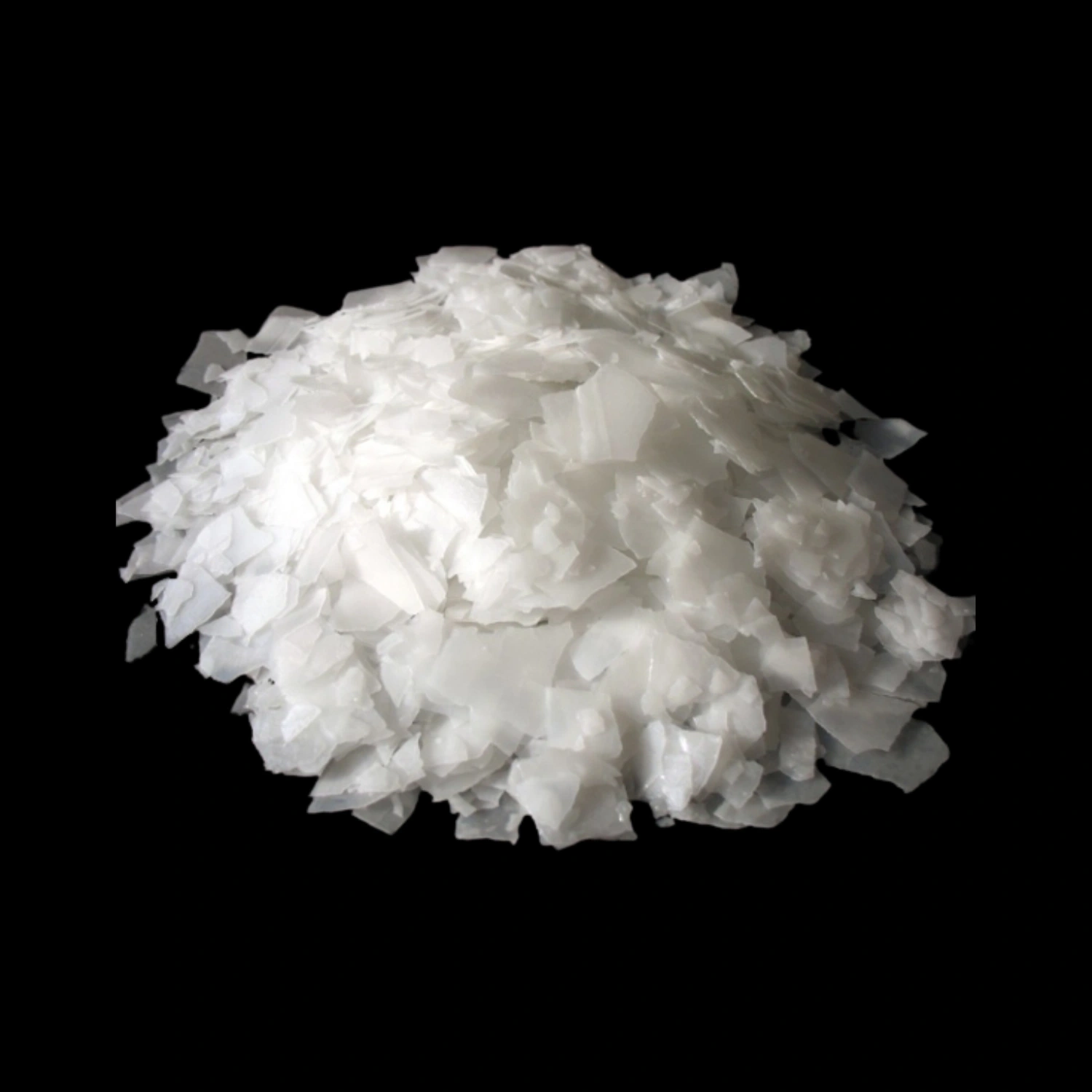
Caustic Soda Flakes
SOURCE LINK :https://www.wcoomd.org/
Found this useful?