
Chemical Industry Reports: Key Insights for Manufacturers, Suppliers and Buyers
Chemical markets rarely move in isolation. Changes in energy costs, industrial production, international trade policies and regional demand can influence chemical prices and availability across multiple countries within a short period. For manufacturers, suppliers and buyers, understanding these developments has become an important part of commercial planning.
Chemical industry reports provide structured market intelligence that helps businesses interpret these changes. They bring together information about production volumes, consumption patterns, capacity utilisation, trade flows and emerging industry developments. Rather than relying on individual price updates or isolated market observations, businesses can use these reports to understand the wider forces shaping chemical markets and make decisions with greater confidence.
What Are Chemical Industry Reports and Why Do They Matter?
Chemical industry reports are research publications that examine the performance, structure and direction of chemical markets. They cover individual chemicals, product categories, regional markets or the wider industry, depending on their purpose and scope.
These reports generally combine economic indicators, production statistics, supply and demand assessments, pricing information and industry developments. Some focus on short-term market movements, while others examine long-term changes in manufacturing capacity, technology and consumption.
Their value extends across the chemical supply chain:
Manufacturers use industry research to evaluate production capacity, monitor competing markets and identify potential investment opportunities.
Chemical suppliers and traders examine pricing movements, export potential and regional supply-demand differences to improve sourcing and sales strategies.
Procurement managers use market intelligence to compare suppliers, assess purchasing conditions and plan inventory requirements.
Importers and exporters monitor trade regulations, shipping conditions and international demand to identify suitable sourcing and distribution markets.
A well-prepared report does more than describe what happened in a particular market. It helps businesses understand why conditions changed and what those developments could mean for their next commercial decision.
What Key Indicators Do Chemical Market Reports Track?
The usefulness of a chemical industry report depends largely on the quality and relevance of its market indicators. Businesses should examine several connected factors rather than relying on a single price or production figure.
1. Global production and capacity utilisation
Production data shows how much chemical output manufacturers generate across different regions. Capacity utilisation indicates how effectively producers operate their available manufacturing facilities.
High production alongside weak consumption can create excess supply and increase competitive pressure. Conversely, plant shutdowns, maintenance periods or production constraints can tighten availability and influence market prices.
2. Supply and demand movements
Supply-demand analysis helps businesses understand whether a market has sufficient material to meet industrial consumption. Reports may examine demand from construction, automotive, agriculture, packaging, textiles and pharmaceutical manufacturing.
A slowdown in one major consuming sector can affect several connected chemical markets. For example, weaker construction activity can influence demand for PVC, adhesives, coatings and construction-related additives.
3. Chemical pricing and feedstock costs
Price analysis tracks changes in chemical quotations, production costs and regional price differences. Reports may also examine the relationship between raw materials, energy expenses, transportation charges and finished chemical prices.
4. International trade flows
Import and export statistics reveal where chemical products originate and where buyers purchase them. This information helps traders identify competitive supply regions and understand changing trade relationships.
5. Inventory levels and market sentiment
Inventory data provides an indication of how much material suppliers and buyers hold. Market sentiment, meanwhile, reflects expectations about future demand, prices and production conditions.
Together, these indicators provide a more complete picture of market direction.
Global Chemical Industry Trends Shaping Business Decisions in 2026
The chemical industry in 2026 continues to face uneven demand, cost pressures and changing international trade conditions. Recent industry research highlights how these factors influence production strategies and regional competitiveness.
Deloitte's 2026 Chemical Industry Outlook identifies persistent oversupply, weak demand and geopolitical uncertainty as important challenges for chemical companies. It also highlights profitability, supply chain resilience, innovation and artificial intelligence as important areas of business attention.
Several developments deserve particular attention from market participants.
Regional production competitiveness is changing.
Manufacturing costs vary considerably between regions because of differences in energy prices, feedstock availability, infrastructure and operating expenses. Producers with access to competitively priced raw materials may enjoy advantages over manufacturers operating in higher-cost environments.
Demand remains uneven across industrial sectors.
Construction, automotive and consumer goods markets continue to influence chemical consumption. At the same time, semiconductor manufacturing and advanced electronics create opportunities for selected high-purity chemicals and specialty materials.
Companies are reassessing production portfolios.
Some manufacturers are reviewing underperforming facilities and reallocating resources towards products with stronger margins or more specialised applications. This can influence future availability across individual chemical categories.
Digitalisation is becoming more important.
Businesses increasingly use artificial intelligence, forecasting tools and digital supply chain systems to improve operational efficiency. These technologies can help manufacturers anticipate production requirements, manage inventory and identify changing market conditions.

How Chemical Industry Reports Help Manufacturers Plan Production
For chemical manufacturers, production planning requires a clear understanding of market conditions. Expanding capacity without sufficient demand can create inventory pressure, while producing below market requirements can result in missed sales opportunities.
Chemical industry reports help manufacturers evaluate these risks through production statistics, consumption forecasts and competitor assessments.
Businesses can apply these insights in several ways:
Capacity planning: Production trends help manufacturers evaluate whether existing facilities can meet expected market requirements or whether expansion deserves consideration.
Raw material procurement: Feedstock price analysis helps production teams estimate input costs and evaluate purchasing schedules.
Product portfolio management: Demand forecasts can highlight chemical categories with stronger industrial applications and potential commercial opportunities.
Market expansion: Regional consumption and import statistics help manufacturers identify countries where their products may find additional customers.
For example, a manufacturer producing industrial solvents can examine regional consumption, competing production capacity and import dependency before entering a new export market.
This approach connects production decisions with actual market requirements rather than relying entirely on historical sales performance.
How Suppliers and Traders Use Market Intelligence to Identify Opportunities
Chemical suppliers and trading companies operate in markets where price differences, product availability and delivery conditions can change quickly. Access to reliable industry information helps them evaluate purchasing opportunities and manage commercial exposure.
One important application involves identifying regional price differences. A chemical may remain competitively priced in one manufacturing region while buyers in another market face higher procurement costs because of limited domestic production or increased import dependence.
Traders can examine these differences to assess potential sourcing and distribution opportunities.
Market reports also help suppliers understand:
Which industries are increasing or reducing their chemical consumption.
Where producers are adding capacity or reducing manufacturing operations.
Which export destinations show stronger import requirements.
How freight costs and trade restrictions influence landed prices.
Which product categories face potential shortages or oversupply.
Another important consideration is supplier diversification. Depending heavily on one manufacturing country or supplier can expose trading businesses to disruptions caused by logistics problems, geopolitical developments or production interruptions.
Market intelligence helps traders evaluate alternative sourcing regions before disruptions affect their regular purchasing arrangements.
What Buyers Should Examine Before Making Procurement Decisions
Procurement teams need more than a general market outlook to make effective purchasing decisions. They must connect industry-level developments with their actual material requirements, supplier capabilities and delivery schedules.
Chemical industry reports can support this process, but buyers should interpret their findings alongside product-specific commercial information.
The following considerations deserve attention:
1. Evaluate price direction rather than isolated quotations.
A single supplier quotation may not represent the wider market. Buyers should compare recent price movements with feedstock costs, regional availability and production conditions to understand whether an offer reflects prevailing market circumstances.
2. Examine supplier concentration.
Reports identifying major production regions can help procurement teams understand where their materials originate. Buyers should assess whether alternative suppliers or manufacturing countries can provide suitable products if their primary source becomes unavailable.
3. Monitor inventory and purchasing cycles.
Supply-demand indicators can help businesses plan replenishment schedules. Buyers may use this information to avoid excessive inventory accumulation during periods of weak demand or insufficient purchasing during tightening supply conditions.
4. Consider the complete landed cost.
Chemical purchasing decisions should account for more than the quoted product price. Freight, insurance, customs duties, handling charges and applicable regulatory requirements can significantly influence the final procurement cost.
5. Verify technical and commercial specifications.
Market intelligence cannot replace supplier evaluation. Buyers should confirm product grades, purity levels, certificates of analysis, safety documentation, packaging requirements and delivery commitments before placing orders.
Combining market research with supplier due diligence creates a more reliable procurement process.
Supply Chain Risks and Trade Developments in the Chemical Industry
International chemical trade depends on interconnected manufacturing facilities, transportation networks and distribution channels. Disruptions in one region can affect the availability and cost of products across several downstream markets.
Chemical industry reports help businesses monitor these developments by examining regional trade balances, export performance, transportation conditions and changes in manufacturing activity.
For example, the European chemical sector continues to face structural competitiveness challenges linked to energy expenses, weak demand and international competition. Cefic's September 2026 Chemical Trends Report highlighted fragile improvements in European market conditions alongside continued pressure on capacity utilisation and trade performance.
These developments demonstrate why regional market analysis matters to international buyers and suppliers.
Some of the main supply chain risks include:
Geopolitical disruptions: International conflicts and trade restrictions can affect chemical production, shipping routes and access to important raw materials.
Energy price volatility: Changes in natural gas, electricity and oil prices can influence manufacturing costs across energy-intensive chemical industries.
Logistics constraints: Port congestion, container shortages and longer transportation routes can delay shipments and increase landed costs.
Regulatory changes: New import requirements, chemical safety standards and environmental regulations can affect international trade arrangements.
Production interruptions: Unexpected maintenance, plant shutdowns and operational difficulties can reduce available supply.
Businesses that monitor these developments regularly can identify potential exposure earlier and prepare alternative sourcing or inventory strategies.
How to Evaluate the Reliability of Chemical Industry Reports
Not every market report provides the same level of detail or commercial value. Before using industry research for important purchasing or investment decisions, businesses should evaluate its methodology, coverage and relevance.
A useful report should provide:
Clear data sources: Look for research based on recognised industry associations, government statistics, customs records, company disclosures and established market research organisations.
Relevant geographical coverage: A global market overview may not provide enough detail for a buyer sourcing chemicals from a particular country. Regional and country-level information often offers greater practical value.
Consistent reporting periods: Compare figures from equivalent periods to avoid misleading conclusions caused by seasonal variations or different reporting methods.
Product-specific information: Broad chemical industry reports provide useful context, but procurement decisions often require additional research into individual products, grades and applications.
Transparent assumptions: Forecasts should explain the economic conditions, demand expectations and production assumptions behind their projections.
Businesses should also compare information from multiple sources where possible. Combining industry association publications, market research and direct supplier intelligence can provide a stronger basis for commercial decisions.
Turning Chemical Market Intelligence into Better Business Decisions
Chemical industry reports offer manufacturers, suppliers and buyers a practical way to understand the forces influencing international chemical markets. Their greatest value comes when businesses translate market findings into specific operational and commercial actions.
Manufacturers can use production and demand forecasts to review capacity requirements. Traders can identify sourcing opportunities by monitoring regional price differences and trade movements, while procurement teams can use supply-demand information to improve purchasing schedules and supplier diversification.
The chemical industry will continue to experience changes in production economics, industrial demand and international trade relationships. Businesses that regularly monitor these developments will have a clearer understanding of market conditions and a stronger foundation for planning.
For chemical buyers, the next step is connecting market intelligence with reliable sourcing channels, competitive quotations and verified supplier information. Ready to source Caustic Soda Flakes from verified global suppliers? Explore competitive offers on our platform today.
Sources:
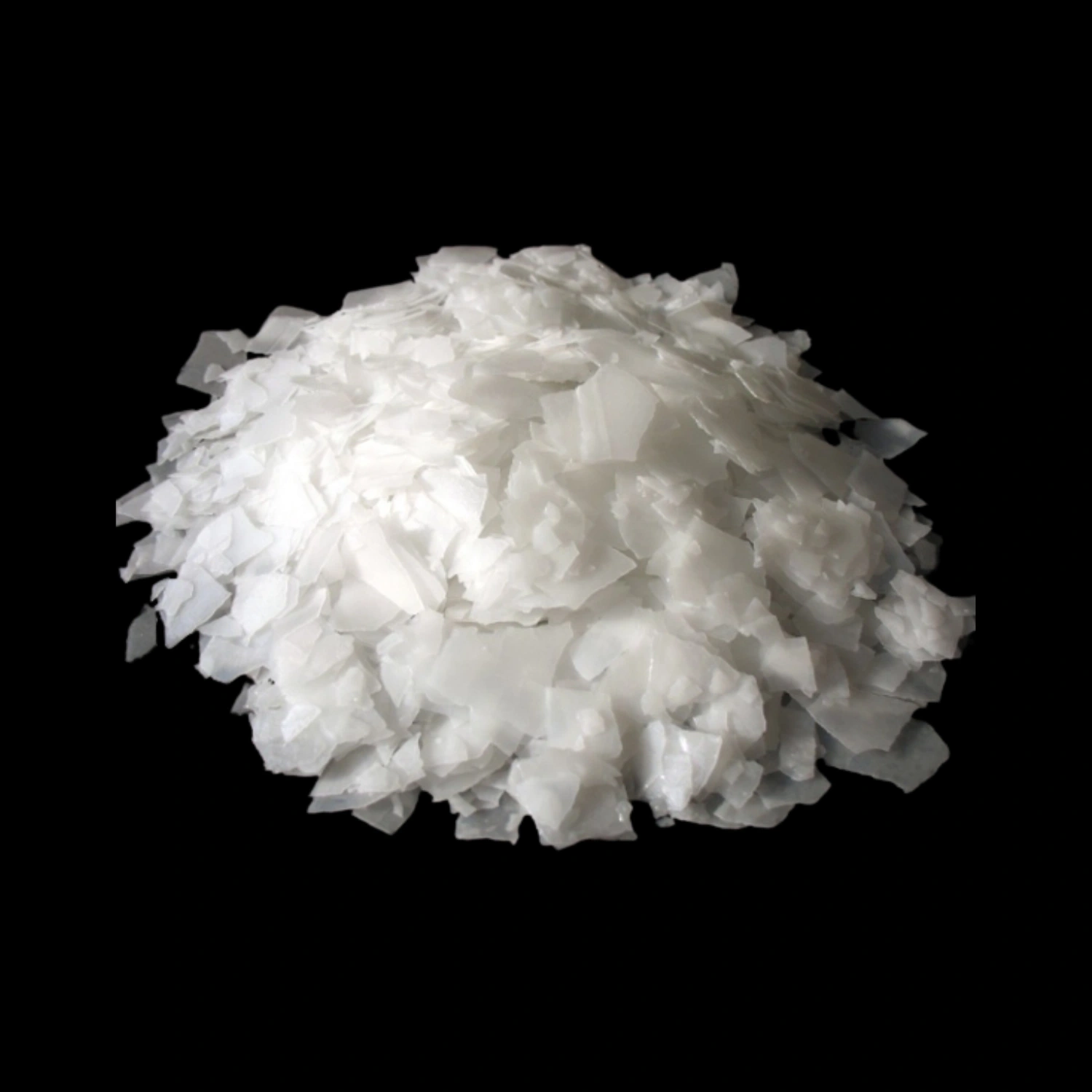
Caustic Soda Flakes
Found this useful?