Global Petrochemical Market Intelligence: Understanding Supply, Demand and Trade Flows in 2026
The global petrochemical industry is experiencing a significant shift in supply chains, regional competitiveness and international trade patterns in 2026. Persistent production overcapacity, changing feedstock economics and geopolitical disruptions are influencing how manufacturers produce, price and distribute essential chemical products.
Global petrochemical market intelligence has become increasingly important for chemical traders, importers and procurement managers seeking to understand these developments. Market participants must look beyond headline prices and examine production capacity, consumption patterns, export availability and transportation risks before making sourcing decisions.
The industry also faces an uneven recovery across regions. While some markets benefit from expanding manufacturing activity and new production facilities, others struggle with excess capacity, weak margins and uncertain consumption. Understanding these differences helps businesses identify competitive suppliers and anticipate changes in international chemical trade.
Understanding the Global Petrochemical Market Structure
Petrochemicals are chemical products derived primarily from petroleum and natural gas. They serve as essential raw materials for manufacturing plastics, synthetic fibres, solvents, coatings, adhesives, detergents and numerous industrial products.
The industry operates through interconnected production stages, beginning with hydrocarbon feedstocks and progressing into basic chemicals, intermediates and finished materials.
The main petrochemical value chains include:
Olefins: Ethylene, propylene and butadiene form the foundation of several plastic, synthetic rubber and chemical manufacturing processes.
Aromatics: Benzene, toluene and xylene support the production of polymers, resins, solvents and synthetic fibres.
Polymer derivatives: Polyethylene, polypropylene, PVC and PET serve packaging, construction, automotive and consumer goods industries.
Chemical intermediates: Monoethylene glycol, styrene monomer and acrylic acid connect basic petrochemical production with downstream manufacturing.
These product categories have different production economics, demand cycles and trade characteristics. Consequently, a change in crude oil prices may affect one chemical segment differently from another.
Market intelligence requires examining each value chain independently while understanding how changes in one segment influence the wider industry.
Global Supply and Demand Dynamics in 2026
The petrochemical market entered 2026 with considerable structural challenges. Production capacity expanded significantly in previous years, particularly across Asia and the Middle East, while demand growth remained uneven across major consuming industries.
This imbalance has created competitive pressure among producers. Several manufacturers face lower operating rates and compressed margins as available production exceeds immediate consumption requirements.
However, demand conditions differ across regions and applications. Packaging, construction materials, automotive components, electronics and consumer goods continue to influence petrochemical consumption.
Three major developments are shaping the supply-demand balance:
1. Expanding production capacity
New manufacturing facilities have increased the availability of several basic petrochemicals and polymers. China has strengthened its domestic production capabilities, reducing its dependence on imported materials in selected product categories.
This development has important implications for traditional exporters. Suppliers that previously relied on Chinese import demand increasingly need to compete in alternative markets.
2. Uneven industrial consumption
Demand recovery remains inconsistent across downstream industries. Packaging and selected manufacturing segments provide consumption opportunities, while construction and other economically sensitive sectors continue to experience pressure.
3. Supply disruptions and operating constraints
Geopolitical tensions and transportation interruptions have affected the availability of crude oil derivatives, naphtha and other important feedstocks. These disruptions can force manufacturers to reduce operating rates even when global production capacity appears sufficient.
McKinsey's Q3 2026 industry assessment also highlights how China's changing polyethylene import requirements and increased polypropylene exports are reshaping Asian petrochemical trade flows.
Major Petrochemical Producing Regions and Their Competitive Advantages
Production geography plays a central role in determining global trade competitiveness. Access to affordable feedstocks, manufacturing infrastructure, transportation networks and established customer markets influences where producers can operate profitably.
Several regions hold particularly important positions in international petrochemical supply.
China: China has developed extensive petrochemical production infrastructure and remains one of the world's largest chemical markets. Expanding domestic capacity supports its manufacturing sector while increasing competition for established exporters.
United States: Abundant natural gas and ethane resources provide American producers with a competitive feedstock advantage in several ethylene-based value chains. Export infrastructure also allows manufacturers to serve international customers.
Middle East: Saudi Arabia, the UAE and Qatar benefit from established hydrocarbon resources and large-scale petrochemical facilities. Their geographical position supports exports to Asian and European markets, although regional security risks can affect transportation.
Europe: European producers operate within an established industrial ecosystem with strong technical capabilities. However, relatively high energy and feedstock costs create competitive challenges for several commodity chemical manufacturers.
India and Southeast Asia: Growing manufacturing activity, industrial investment and expanding consumer markets support regional petrochemical demand. These markets also provide opportunities for international suppliers seeking diversified customer bases.
Market intelligence focus
Production capacity alone does not determine a region's export competitiveness. Buyers must also consider operating rates, feedstock availability, production costs and the reliability of transportation routes.
How International Petrochemical Trade Flows Are Changing
International petrochemical trade connects resource-rich producing countries with manufacturing economies that require chemical raw materials. These movements depend on product availability, regional production costs, import requirements and shipping infrastructure.
However, established trade relationships are evolving as producers expand capacity and importing countries reconsider their dependence on external suppliers.
China provides an important example of this transformation. Increased domestic production has reduced its requirement for certain imported petrochemicals while strengthening its position as an exporter of selected products.
Meanwhile, Middle Eastern producers continue to serve important international markets because of their feedstock advantages and established production infrastructure. North American suppliers also benefit from competitive natural gas-based production economics.
Several developments deserve attention:
Changing Asian import requirements: China's growing domestic capabilities are influencing regional demand for imported polyethylene and other petrochemical products.
Increasing export competition: Additional production capacity encourages manufacturers to seek new customers across Asia, Africa and other developing markets.
Alternative sourcing arrangements: Buyers are increasingly evaluating suppliers from multiple regions to reduce dependence on individual production hubs.
Transportation route adjustments: Shipping disruptions can change delivery schedules, freight costs and the commercial attractiveness of alternative suppliers.
Regional market integration: Trade agreements, tariffs and regulatory requirements influence the movement of chemicals between manufacturing economies.
The Middle East supply disruptions during 2026 have demonstrated how concentrated production and export routes can expose international buyers to sudden availability challenges.
Demand+1
Key Factors Influencing Petrochemical Prices
Petrochemical pricing reflects several interconnected cost and market variables. Buyers who monitor these factors can better understand price movements and negotiate purchasing arrangements with greater confidence.
Crude oil and natural gas prices
Crude oil influences naphtha-based petrochemical production, while natural gas and ethane provide important feedstock advantages for several producers. Changes in energy markets can therefore affect regional production costs and export competitiveness.
Feedstock availability
The availability of naphtha, ethane, propane and other hydrocarbon inputs directly influences manufacturing operations. Limited feedstock supply can reduce production rates and tighten the availability of downstream products.
Production capacity and operating rates
When producers operate below capacity, supply availability may tighten even if installed production capacity remains high. Conversely, increased operating rates can create additional market supply and intensify competition.
Freight and logistics expenses
Shipping rates, container availability, port congestion and insurance costs contribute to landed chemical prices. Buyers sourcing from distant markets must evaluate the total delivered cost rather than comparing supplier quotations alone.
Currency movements and trade policies
Exchange rate fluctuations affect international purchasing budgets, especially when buyers operate in currencies that differ from supplier invoicing currencies. Tariffs, sanctions and customs requirements can also change sourcing economics.
For procurement teams, monitoring these variables together provides a more complete picture of market direction than following individual chemical quotations.
Supply Chain Risks and Sourcing Challenges for Chemical Buyers
Petrochemical procurement involves multiple stages, including supplier selection, production scheduling, international transportation, customs clearance and final delivery.
Disruptions at any stage can affect manufacturing continuity and purchasing costs. The challenges become particularly significant for companies that depend on imported raw materials or operate with limited inventory.
Common sourcing risks include:
Geopolitical instability: Regional conflicts and political restrictions can interrupt established shipping routes or limit access to important export markets.
Supplier concentration: Dependence on one manufacturer or producing country increases exposure to unexpected production interruptions.
Freight uncertainty: Changes in shipping availability and transportation costs can reduce the competitiveness of previously attractive suppliers.
Quality inconsistencies: Differences in product specifications, purity levels and manufacturing standards can create problems for downstream production.
Regulatory requirements: Importers must consider product documentation, chemical classification, safety data sheets and destination-specific compliance requirements.
Payment and currency exposure: International transactions involve exchange rate fluctuations, payment terms and counterparty risks.
A practical response involves developing alternative sourcing channels before disruptions occur. Maintaining relationships with suppliers in different regions can improve purchasing flexibility and reduce dependence on individual trade routes.
Using Market Intelligence to Improve Procurement Decisions
Reliable market intelligence helps purchasing teams move from reactive buying towards structured procurement planning. Instead of responding only when supplier quotations change, businesses can monitor market developments and identify potential risks earlier.
An effective petrochemical intelligence process should combine several information sources.
Monitor production and capacity developments. Track new facilities, planned shutdowns, maintenance schedules and operating rates across major producing regions. These indicators help buyers anticipate changes in product availability.
Analyse import and export movements. Trade statistics can reveal which countries are increasing exports, where import requirements are strengthening and how established supplier relationships are changing.
Track feedstock and energy markets. Monitoring crude oil, natural gas, naphtha and ethane prices helps procurement teams understand changes in production economics.
Compare regional supplier offers. Evaluate quotations from different countries while considering specifications, payment terms, shipping costs and delivery schedules.
Review inventory and consumption trends. Compare purchasing requirements with actual downstream demand to avoid unnecessary inventory accumulation or unexpected shortages.
Businesses should also distinguish between short-term market disruptions and longer-term structural changes. A temporary shipping interruption may create immediate price pressure, while a new production facility can influence regional supply conditions for several years.
What the Petrochemical Market Outlook Means for 2027
The outlook for 2027 will depend on how quickly supply chains stabilize, production capacity adjusts and downstream demand improves.
Although petrochemical consumption is expected to benefit from continued industrial development, excess capacity remains a significant challenge for several commodity chemical segments.
Three developments will be particularly important.
First, producers may increasingly focus on operational efficiency, portfolio adjustments and higher-value chemical products rather than expanding commodity production without clear demand support.
Second, trade relationships will continue to evolve as China strengthens domestic manufacturing capabilities and exporters pursue alternative destinations. Regional sourcing strategies may become more important for buyers seeking reliable supply.
Third, supply chain resilience will remain a commercial priority. Businesses are likely to place greater emphasis on diversified suppliers, transportation flexibility and closer monitoring of geopolitical developments.
Market participants should also watch developments in recycling, bio-based feedstocks and lower-carbon production technologies. These areas could gradually influence product specifications, investment decisions and customer purchasing requirements.
Strategic Priorities for Petrochemical Buyers and Traders
The changing petrochemical landscape creates both opportunities and challenges for international chemical businesses. Companies that combine market intelligence with disciplined sourcing practices can respond more effectively to shifting commercial conditions.
Procurement managers should prioritize the following actions:
Build relationships with multiple qualified suppliers across different producing regions.
Evaluate total landed costs instead of relying exclusively on quoted product prices.
Monitor feedstock availability and regional production developments before committing to large purchasing volumes.
Maintain appropriate inventory levels based on consumption patterns and supply lead times.
Review product specifications, certifications and documentation before confirming international orders.
Use import and export trends to identify alternative sourcing destinations and potential trading opportunities.
For chemical traders, understanding regional price differences and changing export availability can also reveal opportunities to connect suppliers with underserved markets.
The strongest procurement strategies will combine competitive pricing, dependable supply and informed market analysis. As global petrochemical trade continues to evolve, businesses that monitor these factors can make more confident purchasing decisions and build stronger international supply relationships.
Ready to source Monoethylene Glycol from verified global suppliers? Explore competitive offers on our platform today.
Sources:
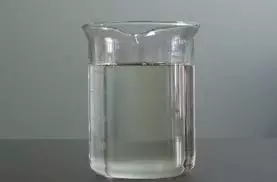
Monoethylene glycol
Found this useful?