
Chemical Logistics: Managing Temperature-Sensitive and Hazardous Cargo
Chemical Logistics: Managing Temperature-Sensitive and Hazardous Cargo
Why Chemical Logistics Is Different from General Freight
Temperature-controlled chemicals logistics moves reactive and unstable industrial chemicals, adhesives, resins, catalysts and monomers, inside a set temperature band for the length of a shipment, and this single requirement already separates chemical logistics from general freight because a deviation of just a few degrees can trigger polymerisation, decomposition, loss of potency, or a dangerous exothermic reaction. Most of the chemicals that need a temperature band are also classified as dangerous goods, since a monomer or an isocyanate resin is frequently flammable, corrosive or self-reactive under dangerous goods rules before temperature ever enters the picture, which means a single shipment carries two compliance requirements at once: temperature control and hazardous goods control. For logistics managers, this dual risk means that carrier selection, packaging validation, route planning, and real-time monitoring cannot be treated as optional extras, they are the core of the service, and a failure in any one of them can result in cargo rejection, customs detention, environmental incident, or loss of the entire shipment.
Temperature-Sensitive Chemicals: What Needs Control and Why
Many chemical formulations, particularly in the pharmaceutical and agricultural sectors, are heat-sensitive, and providers now offer refrigerated containers (reefers) and temperature-mapped road trailers that provide active cooling and real-time monitoring to prevent thermal degradation during transit. Many chemical products are sensitive to temperature fluctuations, humidity, and transit delays, and many specialty chemicals are sensitive to heat, cold, or rapid temperature changes, where exposure to uncontrolled environments can result in crystallisation, viscosity change, phase separation, or loss of active ingredient.
Common Temperature Bands and Cargo Types
Temperature-controlled chemical transport ranges from +25°C down to -80°C, with GDP-aligned processes, cloud tracking and validated packaging for the chemical industry, while other operators offer a range of -20°C to +130°C for temperature-sensitive chemical products using ADR certified, ISO compliant, heated and insulated tank containers. Typical cargo includes organic peroxides Class 5.2 that require strict cold chain to avoid self-accelerating decomposition, self-reactive substances Class 4.1, APIs and intermediates that degrade above 25°C, adhesives and resins that cure prematurely if heated, and catalysts and monomers that polymerise if cooled or heated outside their band. Certain cargoes demand close control of temperature, including heating for viscous products like waxes and resins that must stay liquid, and cooling for peroxides and initiators that must stay below their Self-Accelerating Decomposition Temperature (SADT).
Reefer Containers, ISO Tanks and Validated Packaging
ISO tank containers in 20ft and 30ft sizes are used for liquid chemicals, with heating coils and insulation options for viscous or temperature-sensitive products, while temperature-sensitive chemicals also move in heated and insulated containers for products requiring specific temperature ranges during transit. For air freight, temperature-controlled air freight ensures stable conditions throughout the entire journey, from origin to destination, using active reefer ULDs and passive validated shippers with phase-change materials. Warehousing must match transport, with monitored temperature-controlled storage offering a range of temperature zones, including heated, chilled and freezer conditions, plus quality and temperature validation of material on receipt, because a perfect reefer journey is wasted if the cargo sits on a hot dock for 12 hours.
Hazardous Cargo: IMDG, ADR, RID and IATA Compliance
Dangerous Goods in Reefers and IMDG Compliance
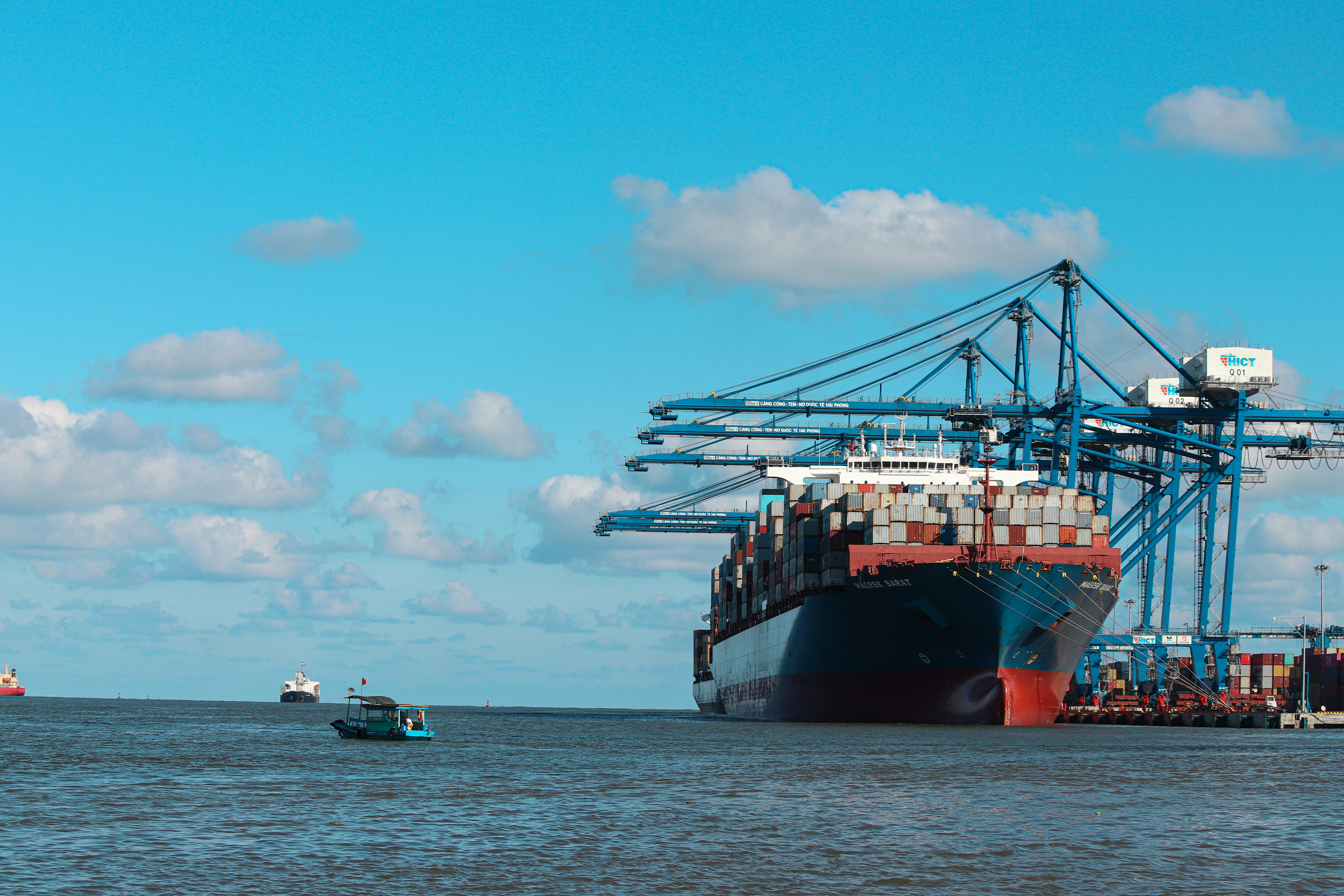
The International Maritime Dangerous Goods (IMDG) Code is a comprehensive set of internationally recognised regulations developed by the IMO that governs safe transport of dangerous goods by sea, and for reefers, adherence to IMDG Code is essential because many dangerous goods require specific packaging, temperature control, segregation, and documentation to prevent decomposition, polymerisation or other hazardous reactions during voyage. Dangerous goods in reefers must be segregated according to IMDG segregation groups, stowed away from heat sources and living quarters, and monitored for reefer failure alarms, because a reefer breakdown on a 30-day ocean voyage can turn a compliant shipment into an emergency at sea.
Road, Rail and Air Regulations
For road transport in Europe, ADR certified vehicles and drivers are mandatory for hazardous chemicals, with specially designed ADR service vehicles to safely transport hazardous and non-hazardous materials, including temperature-controlled trailers. From mid-2026, many temperature-controlled operators will offer ADR-certified dangerous goods transports, reflecting the growing demand for combined cold-chain and DG capability. For air freight, full compliance with IATA Dangerous Goods Regulations and international standards is required, with strict limits on quantity, packaging, and temperature for Class 5.2 peroxides and Class 4.1 flammables, and many carriers refuse temperature-sensitive DG cargo unless the shipper provides a validated packaging test report and a shipper's declaration for dangerous goods.
Managing Risk Across the Whole Cold Chain
Real-Time Monitoring and Contingency Planning
Modern chemical logistics relies on real-time monitoring and temperature control, with cloud tracking, GPS, and temperature loggers that send alerts if the cargo moves outside its band, allowing the logistics team to intervene by switching reefer setpoint, diverting to a cold store, or activating backup cooling. Best practice includes pre-trip reefer calibration, temperature mapping of trailers and warehouses, and a written contingency plan for reefer failure, power loss, port congestion, and customs inspection delays, because temperature-sensitive chemicals are often time-critical and cannot wait for the next available reefer if the first one fails. Providers fully equipped to handle transportation of Class 5.2 and Class 4.1 hazardous materials, and to provide reefer container recovery and management solutions, are becoming essential partners for exporters of organic peroxides and self-reactive substances.
Packaging, Labelling and Documentation Integration
A complete shipment must integrate temperature control with GHS labelling, DG declaration, SDS, Certificate of Analysis, and transport emergency information, so that any handler along the chain can understand both the hazard and the temperature requirement without opening the package. Heated and insulated containers, ISO tanks with heating coils, and validated shippers must be matched to the cargo's SADT, flash point, and viscosity, and the packing list must state the required setpoint, allowable excursion, and maximum time out of refrigeration. By treating documentation, packaging, and monitoring as one system rather than three separate tasks, chemical exporters can reduce spoilage, avoid customs holds, and build trust with buyers who depend on the cargo arriving in specification.
Sources with Links:
Temperature-Controlled Chemicals Logistics Explained – ColdChainer – https://www.coldchainer.com/knowledge/temperature-controlled-chemicals-logistics
Global Chemical Logistics Experts – Shipping International – http://shippinginternational.co.uk/services/specialised-services/specialised-services-chemical-logistics
Chemical Logistics Services | Warehousing | Inventory Control – Chemco – https://www.chemco.ie/chemical-logistics/services/
Chemical Transport Temperature-Controlled – TempSecure – https://www.tempsecure.de/en/services/chemical-transport
Chemicals Shipping with Temperature Control – Airsupply – https://www.airsupplycn.com/chemicals-shipping/
Dangerous and Sensitive Goods Handling – Identec Solutions – https://www.identecsolutions.com/dangerous-and-sensitive-goods-handling-industry-knowledge-hub

Caprylic Triglyceride
Found this useful?