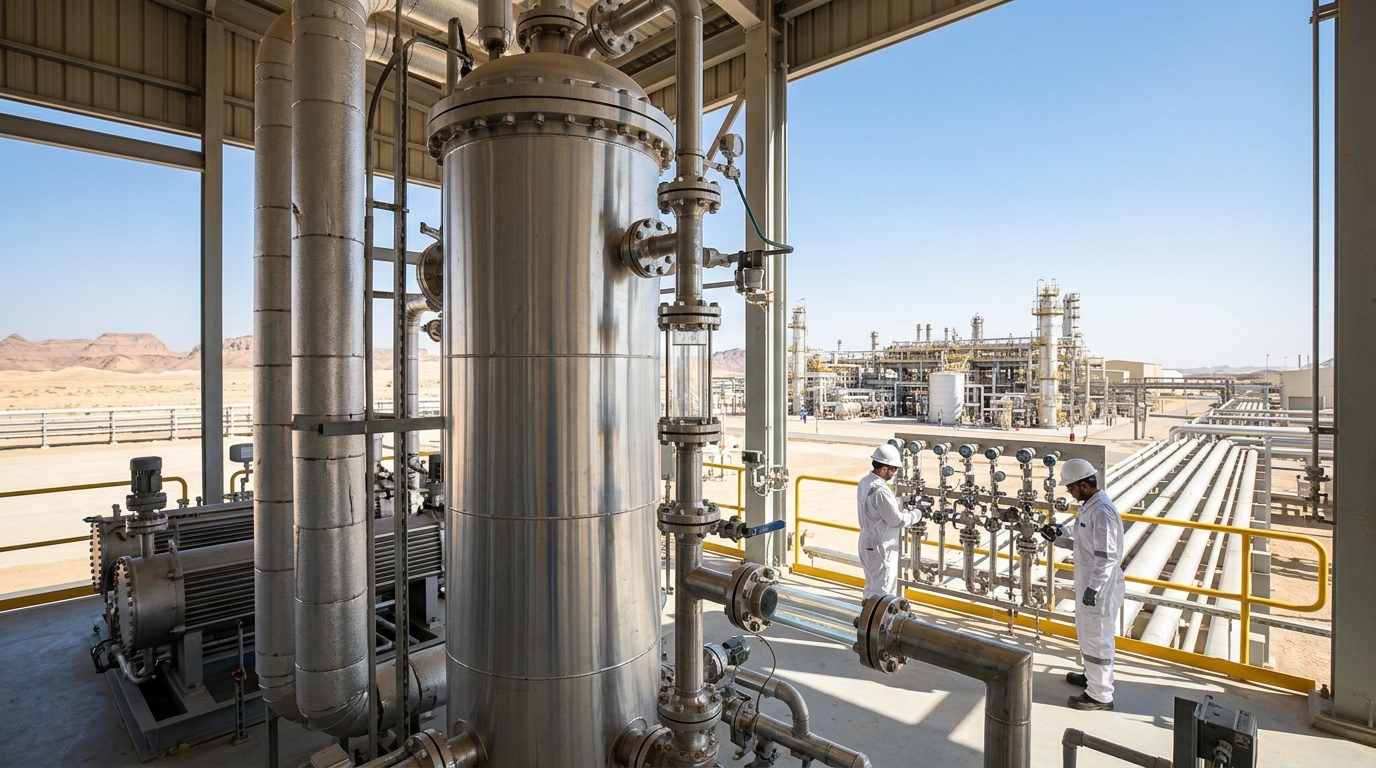
Chemical Procurement Strategy: Managing Supplier Risks and Purchase Costs
Chemical Procurement Strategy: Managing Supplier Risks and Purchase Costs
Chemical Procurement Strategy: Why Strategic Sourcing Matters
Chemical procurement is an essential business function for manufacturers operating in industries such as pharmaceuticals, agriculture, food processing, construction, and industrial production. Companies depend on a continuous supply of raw materials, solvents, specialty chemicals, and additives to maintain production schedules and meet customer requirements.
However, changing raw material prices, supplier dependency, transportation disruptions, and regulatory requirements make chemical purchasing increasingly challenging. A delay in receiving critical chemicals can interrupt production, while unexpected price increases can affect manufacturing costs and profit margins.
An effective chemical procurement strategy helps businesses balance purchasing expenses with product quality, supplier reliability, and long-term supply security. According to the Institute for Supply Management, modern chemical sourcing requires greater supply chain visibility, market awareness, and proactive financial risk management.
Key Challenges in Chemical Procurement
Chemical procurement involves several challenges that require careful planning and continuous monitoring.
1. Raw Material Price Volatility
Chemical prices are influenced by fluctuations in crude oil, natural gas, energy costs, and global supply and demand. Changes in these factors can directly affect the production costs of solvents, polymers, petrochemicals, and other industrial materials.
Procurement teams should monitor market prices, feedstock availability, and industry developments to anticipate potential cost increases and make informed purchasing decisions.
2. Supplier Dependency and Availability
Relying on a single supplier for essential chemicals creates significant business risks. Unexpected production shutdowns, financial difficulties, transportation problems, or geopolitical disruptions can interrupt supply.
Working with multiple qualified suppliers helps businesses maintain alternative sourcing options and reduces dependency on individual vendors.
3. Transportation and Logistics Disruptions
Chemical shipments often require specialized packaging, handling, and transportation arrangements. Port congestion, shipping delays, freight cost increases, and customs clearance issues can affect delivery schedules.
Businesses should evaluate supplier locations, transportation routes, delivery records, and logistics capabilities before finalizing procurement agreements.
4. Quality and Regulatory Compliance
Chemical products must meet specific technical specifications and applicable regulatory requirements. Inconsistent product quality or missing safety documentation can create operational problems and compliance risks.
Buyers should verify relevant Safety Data Sheets (SDS), Technical Data Sheets (TDS), and Certificates of Analysis (CoA) before approving suppliers and purchasing orders.
Effective Strategies to Reduce Supplier Risks
1. Establish a Structured Supplier Evaluation Process
Supplier selection should involve more than comparing product quotations. Businesses must evaluate supplier capabilities, production capacity, financial stability, quality standards, and delivery performance.
Important supplier evaluation criteria include:
Product quality and consistency.
Relevant certifications and regulatory compliance.
Production capacity and material availability.
Historical delivery performance.
Financial stability and business reputation.
Communication and customer support.
Regular supplier performance assessments help procurement teams identify potential problems and maintain dependable sourcing relationships.
2. Diversify the Supplier Network
Supplier diversification is an important strategy for reducing supply chain risks. Instead of depending on one supplier, companies can establish relationships with multiple qualified manufacturers and distributors.
For example, a chemical manufacturer sourcing industrial solvents from a single region may develop additional supplier relationships in other markets. This approach provides alternative purchasing options when production interruptions or transportation disruptions affect the primary supplier.
Businesses should also evaluate regional sourcing opportunities to reduce transportation distances and improve delivery flexibility.
3. Develop Long-Term Supplier Relationships
Strong supplier relationships can improve purchasing conditions, communication, and supply continuity. Regular discussions about demand forecasts, production schedules, and inventory requirements help suppliers prepare for future orders.
Long-term agreements can also provide opportunities for volume discounts, more predictable pricing, and agreed delivery schedules.
However, businesses should include clear contractual conditions covering quality requirements, delivery delays, payment terms, and pricing adjustments.
Strategies to Control Chemical Purchasing Costs
1. Implement Strategic Sourcing
Strategic sourcing involves analyzing purchasing requirements, supplier markets, product specifications, and pricing structures before selecting a supplier.
Businesses can categorize chemicals according to purchasing volume, operational importance, and supply availability.
For high-volume chemicals, procurement teams may negotiate bulk purchasing agreements and volume-based discounts. For critical specialty chemicals, supplier reliability and consistent quality should receive greater attention than small differences in quoted prices.
Comparing quotations from multiple qualified suppliers also helps buyers identify competitive purchasing opportunities.
2. Monitor Chemical Market Trends
Monitoring chemical market developments allows procurement teams to understand changing supply conditions and potential price movements.
Businesses should regularly track:
Crude oil and natural gas prices.
Key petrochemical feedstock costs.
Global chemical production capacity.
Regional supply and demand conditions.
Currency exchange rates.
Freight and transportation expenses.
Industry market reports and price assessments can help procurement teams evaluate purchasing opportunities and prepare for possible cost fluctuations.
3. Optimize Inventory Management
Maintaining the right inventory levels is essential for controlling procurement expenses. Excess inventory increases storage costs and ties up working capital, while insufficient stock can result in production interruptions and emergency purchases.
Companies should use demand forecasting, historical consumption data, and supplier lead times to determine appropriate inventory levels.
Maintaining safety stock for critical chemicals can provide additional protection against unexpected supply disruptions. Businesses should also consider chemical shelf life, storage conditions, and handling requirements when planning purchases.
4. Evaluate Total Cost of Ownership
A low product quotation does not always represent the most economical purchasing decision. The actual cost of chemical procurement includes several additional expenses.
These may include:
Product purchase price.
Transportation and insurance.
Customs duties and taxes.
Packaging and handling.
Storage and inventory expenses.
Quality testing and inspection.
Additional compliance-related costs.
Total Cost of Ownership (TCO) helps businesses evaluate the complete financial impact of purchasing decisions instead of focusing exclusively on unit prices.
For example, a supplier offering a lower price may have longer delivery times and higher transportation expenses. Another supplier may charge slightly more but offer faster delivery, better product consistency, and lower overall logistics costs.
The Role of Digital Platforms in Chemical Procurement
Digital procurement platforms are improving how businesses discover suppliers, compare quotations, and manage chemical purchasing activities.
Traditional procurement processes often involve lengthy email communication, manual quotation comparisons, and limited visibility into supplier availability. Digital platforms help simplify these activities by providing centralized access to supplier information and purchasing opportunities.
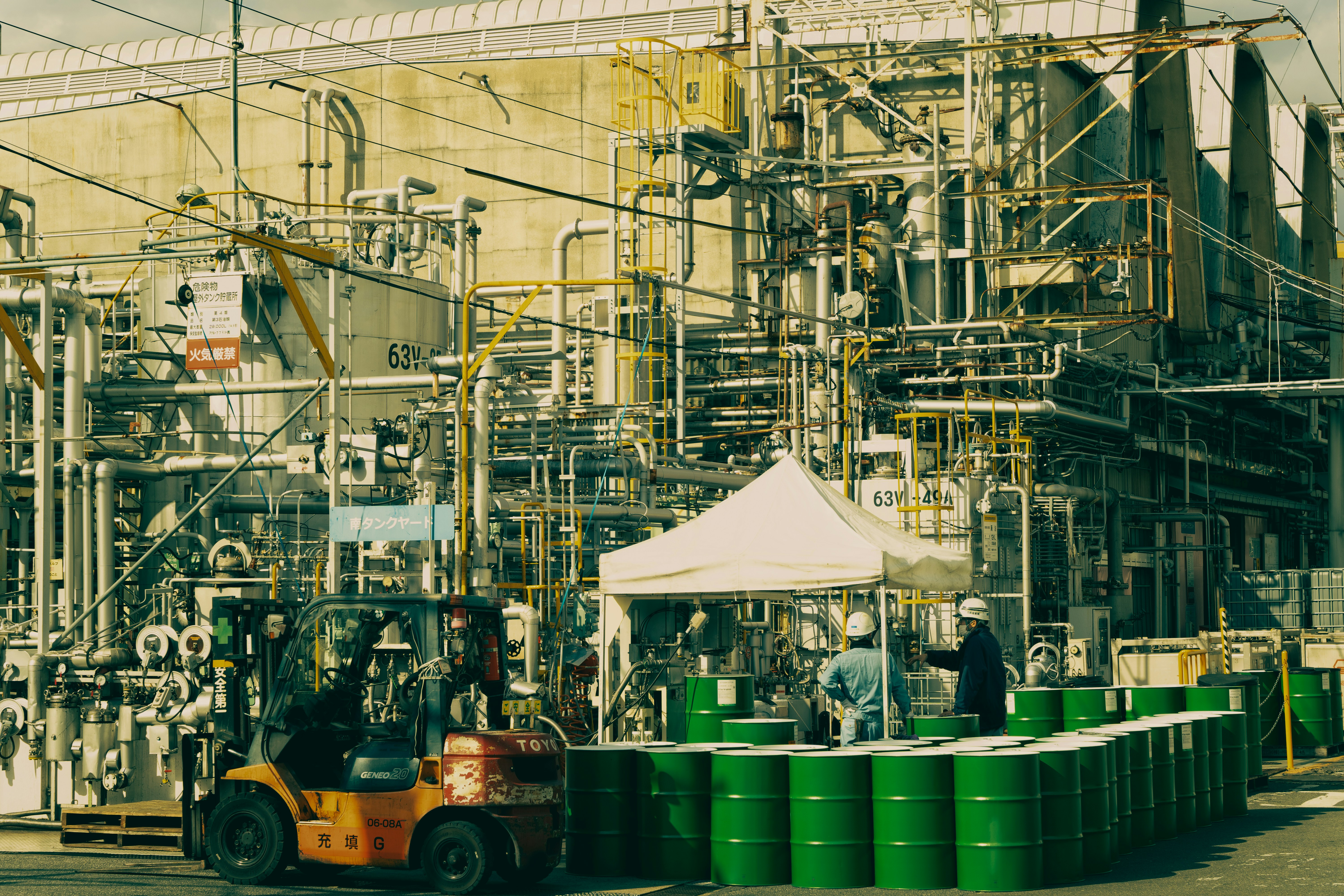
How Digital Procurement Platforms Improve Sourcing
Digital platforms can support chemical buyers through:
Supplier discovery: Connect with manufacturers, distributors, and alternative suppliers.
Quotation management: Compare product prices, minimum order quantities, and delivery conditions.
Product information: Review available specifications and relevant product documentation.
Faster communication: Share purchasing requirements and communicate with potential suppliers.
Better visibility: Organize supplier information and procurement activities in one place.
Platforms such as TradeChem can help chemical buyers explore supplier networks, discover sourcing opportunities, and simplify communication with suppliers.
Building a Cost-Effective and Resilient Procurement Strategy
Successful chemical procurement requires a balance between cost optimization, supplier reliability, product quality, and supply chain resilience.
Businesses should regularly review supplier performance, monitor chemical market developments, and identify potential risks before they affect production operations.
By diversifying suppliers, negotiating transparent contracts, improving inventory management, and evaluating total purchasing costs, companies can make more informed procurement decisions.
As global chemical supply chains continue to evolve, businesses that adopt strategic sourcing practices and digital procurement solutions will be better positioned to manage purchasing expenses, maintain reliable supplies, and strengthen long-term operational efficiency.
Source Links
Institute for Supply Management (2026) – Chemicals Strategic Sourcing: A Global Executive's Perspective
Chemical Abstracts Service (CAS) – Raw Material Sourcing in Chemical Manufacturing: Risks and Paths to Resilience
APQC – Procurement Supplier Risk Management: Petroleum/Chemical Industry
McKinsey & Company – Pursuing Purchasing Excellence in Chemicals
Chemical Engineering – Volatility, Value and Visibility: Rethinking Raw-Material Strategies

Acrylic Acid (99.5%) - China
Found this useful?