Chemical Risk Assessment: Identifying and Managing Workplace Hazards
Chemical risk assessment is a systematic process used to identify hazardous substances, evaluate potential exposure and determine appropriate measures to protect workers, equipment and the workplace.
Industrial facilities use a wide range of chemicals for manufacturing, cleaning, maintenance, processing and laboratory operations. These substances may present health and safety risks through inhalation, skin contact, ingestion or accidental release.
Common workplace chemicals include solvents, acids, alkalis, cleaning agents, fuels, gases and industrial raw materials. Without proper controls, exposure can lead to respiratory problems, chemical burns, poisoning, fires and environmental contamination.
A well-designed assessment helps organisations understand these risks before incidents occur and establish safer working practices.
Identifying Chemical Hazards in the Workplace
The first step is to identify all hazardous substances present or used in workplace activities. This includes chemicals stored in containers, transferred through pipelines, generated during production or released as by-products.
Common chemical hazards include:
Toxic substances: Chemicals that may cause harmful effects through inhalation, ingestion or skin absorption.
Corrosive materials: Acids and alkalis that can damage skin, eyes and equipment.
Flammable chemicals: Solvents, fuels and gases that can ignite under suitable conditions.
Reactive substances: Materials that may react dangerously when mixed or exposed to heat, moisture or other chemicals.
Carcinogenic substances: Chemicals associated with an increased risk of cancer.
Irritants and sensitizers: Substances that may cause skin irritation, respiratory discomfort or allergic reactions.
Identifying these hazards allows safety teams to determine which substances require additional precautions and specialised handling procedures.
Evaluating Chemical Exposure and Workplace Risks
Identifying a hazardous chemical does not automatically establish the level of workplace risk. The assessment must also consider how workers may be exposed and how serious the potential consequences could be.
Important factors include:
Exposure routes: Determine whether workers could inhale vapours, absorb chemicals through their skin, accidentally ingest substances or experience direct contact.
Exposure duration: Consider how frequently workers handle a chemical and how long each exposure may last.
Concentration and quantity: Evaluate the amount of chemical used, its concentration and the potential level of exposure.
Working conditions: Examine ventilation, temperature, equipment condition, storage arrangements and the possibility of leaks or spills.
Potential health effects: Review short-term and long-term consequences based on reliable safety information.
Where necessary, industrial hygiene monitoring can measure airborne chemical concentrations and compare results with applicable occupational exposure limits.
The Role of Safety Data Sheets in Chemical Assessment
Safety Data Sheets (SDS) are essential documents for understanding chemical hazards and establishing safe handling procedures. Suppliers provide them to communicate important information about chemical properties, health risks and emergency measures.
An SDS generally contains 16 standard sections, including:
SDS section | Information provided |
|---|---|
1 | Identification of the chemical and supplier |
2 | Hazard identification and classification |
4 | First-aid measures |
5 | Firefighting measures |
6 | Accidental release measures |
7 | Handling and storage |
8 | Exposure controls and personal protection |
10 | Stability and reactivity |
13 | Disposal considerations |
Safety teams should ensure that current SDS documents are accessible to employees and reviewed before introducing new chemicals or changing existing processes.
Managing Chemical Risks Through Effective Controls
After identifying and evaluating hazards, organisations should introduce suitable measures to eliminate or reduce exposure. The hierarchy of controls provides a structured approach to selecting these measures.
1. Elimination and Substitution
The most effective option is to remove a hazardous chemical from the process whenever possible. If complete elimination is not practical, businesses can consider replacing it with a less hazardous alternative.
For example, a facility may replace a highly toxic cleaning solvent with a lower-hazard formulation, provided the alternative is technically suitable.
2. Engineering Controls
Engineering controls reduce exposure by changing workplace equipment or processes.
Examples include:
Local exhaust ventilation
Enclosed chemical transfer systems
Automated dispensing equipment
Fume extraction units
Leak detection and containment systems
These controls help prevent hazardous substances from reaching workers or spreading into surrounding areas.
3. Administrative Controls
Administrative measures establish safe procedures for handling and managing chemicals.
They include employee training, restricted access, clear labelling, safe operating instructions, exposure monitoring and regular workplace inspections.
Proper scheduling and limiting the number of employees exposed to hazardous operations can also help reduce workplace risk.
4. Personal Protective Equipment
Personal Protective Equipment (PPE) provides an additional layer of protection when chemical hazards cannot be fully controlled through other measures.
Depending on the chemical and task, workers may require:
Chemical-resistant gloves
Safety goggles or face shields
Protective clothing and footwear
Respirators selected for the specific exposure
Appropriate emergency protective equipment
PPE must be compatible with the chemical being handled and supported by proper training, fitting, inspection and maintenance.

Chemical Storage, Handling and Emergency Preparedness
Safe chemical management extends beyond daily handling activities. Storage areas should be organised according to chemical compatibility, hazard classification and manufacturer recommendations.
Incompatible chemicals should be separated to prevent dangerous reactions. Containers must remain properly labelled, securely closed and protected from unsuitable temperatures or environmental conditions.
Facilities should also establish emergency procedures for chemical spills, leaks, fires and accidental exposure.
An effective emergency plan should include:
Clearly identified emergency exits and evacuation routes
Accessible spill response equipment
Suitable eyewash stations and safety showers
First-aid procedures and emergency contact information
Trained response personnel
Procedures for reporting and investigating incidents
Regular emergency drills help employees understand their responsibilities and respond more effectively when incidents occur.
Regulatory Compliance and Workplace Safety Standards
Chemical risk assessments help organisations meet occupational health and safety requirements and manage hazardous substances responsibly.
International frameworks and guidance provide useful approaches to chemical classification, hazard communication and workplace exposure management.
Relevant references include:
Globally Harmonized System (GHS): Provides an international framework for classifying and communicating chemical hazards.
OSHA Hazard Communication Standard: Establishes requirements for chemical hazard communication in workplaces covered by US OSHA regulations.
ILO guidance: Supports occupational safety and health management, including the safe use of chemicals at work.
REACH Regulation: Governs the registration, evaluation, authorisation and restriction of chemicals in the European Union.
Businesses must identify the laws and exposure limits applicable to their location and industry. Following a general international framework does not automatically guarantee compliance with local regulations.
Benefits of Regular Chemical Risk Assessments
Chemical risk assessments provide practical advantages for industrial organisations by improving workplace safety and operational control.
Reduced workplace accidents: Early identification of chemical hazards helps prevent spills, exposure incidents and dangerous reactions.
Better employee protection: Appropriate safety measures reduce the likelihood of occupational illness and chemical injuries.
Improved regulatory compliance: Documented assessments support workplace safety procedures, inspections and compliance activities.
Lower operational costs: Preventing incidents can reduce medical expenses, equipment damage, production interruptions and cleanup costs.
Stronger safety culture: Employee awareness and regular training encourage responsible chemical handling throughout the organisation.
Best Practices for Maintaining an Effective Assessment Programme
Chemical risk assessment should be treated as an ongoing process rather than a one-time activity. Workplace conditions and chemical inventories can change as production requirements, equipment and suppliers evolve.
Organisations should review assessments whenever new chemicals are introduced, processes change, incidents occur or monitoring identifies unexpected exposure.
Maintaining an updated chemical inventory, reviewing SDS documents, inspecting storage facilities and providing regular employee training are essential practices.
Businesses should also document assessment findings, assigned responsibilities and corrective actions. This makes it easier to track improvements and identify areas requiring further attention.
Building Safer Industrial Workplaces Through Chemical Risk Management
Effective chemical risk assessment enables organisations to understand hazardous substances, control worker exposure and establish safer industrial processes. By combining hazard identification, exposure evaluation, engineering controls, employee training and emergency planning, businesses can reduce workplace risks while maintaining operational reliability.
As industrial processes become more complex, consistent chemical safety management remains essential for protecting employees, supporting regulatory compliance and creating safer working environments.
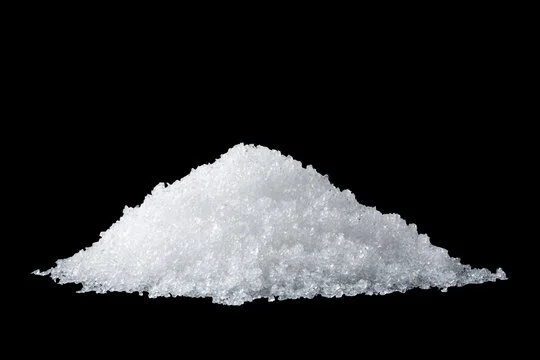
Ammonium Sulphate - China
Found this useful?