Chemical Risk Assessment: Identifying Hazards Across Storage and Handling
Chemical storage and handling risks can affect worker safety, product quality, warehouse operations and the reliability of chemical supply chains. A leaking drum, an incompatible chemical stored beside another product or an incorrectly handled shipment can turn an ordinary warehouse activity into a serious operational incident.
Chemical risk assessment gives businesses a structured way to identify these hazards, evaluate their potential consequences and establish appropriate controls. For chemical traders, procurement managers, importers, exporters and warehouse operators, the process should cover every stage of a chemical's journey, from supplier dispatch and transport to storage, transfer and final delivery.
Effective risk assessment does more than support workplace safety. It also helps companies protect inventory, reduce avoidable losses, strengthen supplier relationships and maintain more dependable trading operations.
What Chemical Risk Assessment Means for Storage and Handling
Chemical risk assessment involves identifying hazardous properties, understanding how exposure or an incident could occur and deciding which controls can reduce the risk to an acceptable level. The assessment considers both the chemical itself and the conditions in which employees store, move, transfer or use it.
A substance may present several different hazards. Some chemicals can cause burns or irritation, while others may release harmful vapours, react with incompatible materials or create fire and explosion risks under particular conditions.
Businesses should distinguish between a hazard and a risk. A hazard is an inherent potential to cause harm, while risk depends on factors such as the likelihood of exposure, the severity of the possible consequences and the effectiveness of existing controls.
For example, a corrosive liquid presents a chemical hazard regardless of its location. However, the associated risk may increase significantly if workers transfer it without suitable protective equipment or store it in a container that cannot withstand its properties.
A useful assessment therefore examines more than a product's name or classification. It considers the chemical's physical and chemical characteristics, packaging, quantity, storage environment, handling frequency and the people who may come into contact with it.
Identifying Chemical Hazards Before Goods Enter Storage
Hazard identification should begin before a shipment arrives at a warehouse. Procurement and logistics teams need enough product information to determine whether the facility can receive, store and handle the material safely.
The first step is to review the product's Safety Data Sheet (SDS), particularly the sections covering hazard identification, first-aid measures, firefighting, accidental release, handling and storage, exposure controls and stability or reactivity.
Teams should also examine product specifications, container compatibility, supplier handling instructions and any applicable transport classification. Missing or inconsistent documentation can make it difficult to determine the right storage conditions or prepare for an incident.
Common chemical hazards include:
Corrosive hazards: Acids and alkalis can damage skin, eyes, equipment and unsuitable storage materials.
Flammability hazards: Certain solvents and other combustible products can ignite when exposed to suitable ignition sources.
Toxicity hazards: Some substances can cause harm through inhalation, skin contact or ingestion, depending on their properties and exposure conditions.
Reactivity hazards: Incompatible chemicals may react when they mix, potentially generating heat, pressure or hazardous gases.
Environmental hazards: A spill may contaminate drains, soil or water if containment and response measures prove inadequate.
The assessment should also account for workplace conditions. Poor ventilation, damaged containers, inadequate lighting, congested aisles and unsuitable transfer equipment can increase the likelihood of an incident even when a company understands the product's hazards.
Evaluating Chemical Compatibility and Storage Conditions
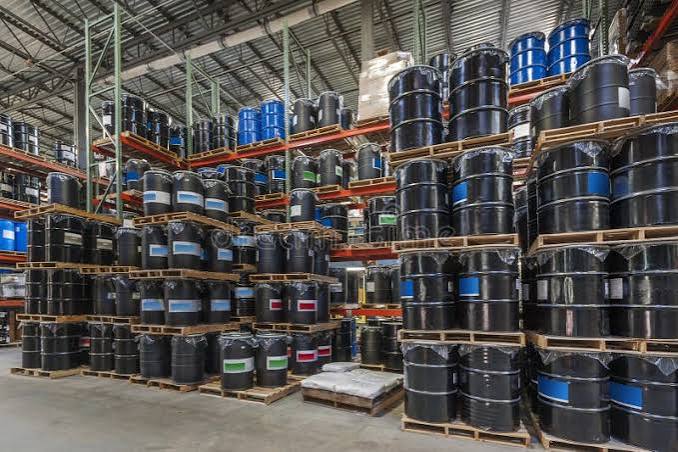
Chemical compatibility is a central part of warehouse risk management. Two products that arrive in properly sealed containers may still create a serious hazard if a leak allows them to interact.
Storage decisions should therefore consider the properties of each chemical rather than relying exclusively on product categories, supplier names or the order in which shipments arrive. Businesses should establish segregation rules based on documented compatibility information and applicable requirements.
For example, strong acids may react dangerously with certain bases, while oxidising agents can intensify fires when they contact incompatible combustible materials. Some chemicals also react with water, metals or specific packaging materials, so storage decisions must reflect the substance's particular characteristics.
Practical controls include:
Separate incompatible materials: Use designated storage areas or suitable physical separation based on the chemicals' hazards and applicable guidance.
Check container compatibility: Confirm that drums, tanks, intermediate bulk containers (IBCs), seals and transfer lines suit the stored product.
Maintain appropriate environmental conditions: Follow specified temperature, humidity, ventilation and light requirements where relevant.
Provide spill containment: Use suitable secondary containment to limit the spread of leaks and prevent uncontrolled releases.
Keep access routes clear: Ensure employees can inspect containers, operate emergency equipment and evacuate safely.
Storage inspections should identify corrosion, swelling, damaged seals, unexplained residue and other signs of deterioration. Businesses should also maintain an accurate inventory so employees can identify stored products, locate relevant SDS documentation and respond appropriately during an emergency.
Assessing Risks During Chemical Handling and Transfer
Storage controls alone cannot eliminate every chemical hazard. Receiving, unloading, pumping, dispensing, repackaging and loading operations can introduce additional risks because employees may open containers, connect equipment or move chemicals between vessels.
Each handling activity should receive its own assessment. A procedure suitable for moving sealed drums may not provide sufficient protection when workers transfer a corrosive liquid or handle a volatile solvent.
The assessment should identify the task, the people involved, the possible exposure routes, the equipment used and the conditions under which an incident could occur. It should also examine foreseeable failures, including hose disconnections, valve leaks, incorrect connections and container damage during movement.
Key controls include:
Use suitable transfer equipment: Select compatible hoses, pumps, fittings and containers, and inspect them before use.
Control exposure: Provide appropriate ventilation, closed-transfer systems or other engineering controls when the substance and task require them.
Select appropriate PPE: Determine glove materials, eye protection, protective clothing and respiratory protection from the product hazards and exposure assessment.
Prevent spills and overfilling: Use suitable filling procedures, secure connections and controls that help prevent unintended releases.
Train workers: Ensure employees understand safe operating procedures, emergency actions and the limitations of their protective equipment.
Companies should prioritise eliminating hazards or reducing exposure through engineering and process controls where feasible. Personal protective equipment supports these measures but should not serve as the only safeguard when stronger controls are reasonably available.
Loading and unloading areas also require attention to vehicle movement, lifting equipment, package stability and access restrictions. Clear communication between drivers, warehouse staff and receiving teams helps prevent errors during handovers.
How to Rate Risks and Prioritise Corrective Actions
Once a business identifies hazards, it needs to determine which ones require immediate attention. A risk rating helps teams compare hazards consistently and direct resources towards the conditions that could cause the greatest harm.
A practical assessment considers three main factors:
Likelihood: How likely is an incident or harmful exposure under the current working conditions?
Severity: How serious could the consequences be for employees, property, the environment or business operations?
Exposure: How many people could be affected, how often might exposure occur and how long could it last?
Businesses can use a documented risk matrix to classify hazards as low, moderate, high or critical. The matrix should follow the organisation's safety procedures and applicable requirements, with clear criteria for when teams must stop an activity, introduce temporary controls or escalate an issue.
For example, a damaged container holding a hazardous substance may require immediate isolation of the affected area and assessment by trained personnel. A minor housekeeping issue may need a different response, although teams should still correct it before it contributes to a more serious incident.
Every assessment should record the identified hazard, existing controls, risk rating, additional measures required, responsible person and target completion date. Teams should then verify that corrective actions have reduced the risk rather than assuming that completing a checklist guarantees safety.
Emergency Preparedness and Regulatory Responsibilities
Even well-managed facilities need plans for unexpected events. Chemical spills, fires, equipment failures and accidental exposure can disrupt operations and threaten employees, neighbouring businesses and the environment.
Emergency planning should reflect the substances stored on-site and the credible incidents associated with their properties. Relevant measures may include suitable detection and alarm systems, accessible emergency equipment, evacuation procedures, trained response personnel and arrangements for contacting emergency services.
Employees should understand how to raise an alarm, leave an affected area and report an incident. They should not attempt to manage an unfamiliar chemical release without appropriate training, equipment and authorisation.
Businesses should also establish procedures for:
Reporting incidents, near misses and damaged packaging.
Providing access to relevant SDS information during emergencies.
Maintaining suitable firefighting and spill-response arrangements for the hazards present.
Investigating the causes of incidents and tracking corrective actions.
Reviewing emergency plans and conducting appropriate training exercises.
Regulatory obligations vary by country, chemical classification, quantity and activity. Depending on the circumstances, businesses may need to comply with workplace safety, chemical classification and labelling, environmental protection, hazardous waste, fire safety and dangerous goods transport requirements.
The US Occupational Safety and Health Administration (OSHA) provides guidance on hazard identification and assessment, including workplace inspections, incident investigations and risk prioritisation. Its warehouse safety guidance also highlights chemical inventories, accessible SDS documentation, suitable storage arrangements and secondary containment.
Occupational Safety and Health Administration+1
Chemical traders operating across borders should check the requirements that apply in both the exporting and importing markets. Consistent documentation and clear communication between suppliers, freight partners, warehouses and buyers help reduce the likelihood of safety information being lost during shipment handovers.
Managing Chemical Risk Across the Supply Chain
Chemical risk assessment should extend beyond the warehouse floor. Procurement decisions, supplier documentation, transport arrangements and inventory practices can all influence the safety and reliability of chemical trading operations.
Procurement teams should evaluate suppliers on more than price and delivery speed. They should also consider the availability of current SDS documents, product identification, packaging suitability, traceability and the supplier's ability to communicate relevant hazard information.
Before approving a purchase, buyers should consider whether the intended receiving facility has the necessary storage capacity, equipment and safety arrangements for the product. A commercially attractive shipment may create avoidable costs if the destination warehouse cannot accommodate its storage requirements.
Importers and exporters should pay particular attention to documentation consistency. Product names, identifiers, hazard classifications and shipment records should align sufficiently to support accurate identification and safe handling throughout the supply chain.
Inventory management also plays an important role. Excess stock can increase the amount of hazardous material present at a facility, create storage congestion and complicate inspection routines.
Businesses can reduce these pressures by:
Matching purchasing quantities to realistic demand and available storage capacity.
Tracking inventory locations, condition and relevant documentation.
Reviewing ageing or slow-moving stock to prevent avoidable accumulation.
Coordinating shipment schedules with warehouse capacity and receiving procedures.
Communicating changes in product specifications, packaging or hazard information to affected teams.
Digital inventory systems can improve visibility by linking product records with SDS documents, inspection logs and shipment information. However, technology only supports effective risk management when employees maintain accurate records and follow the procedures those systems are designed to support.
What Procurement Teams Should Do Next
Chemical risk assessment works best as an ongoing management process rather than a document prepared once and filed away. Changes in product range, storage layout, equipment, supplier information or operating procedures can introduce new hazards that require reassessment.
Procurement managers and chemical traders can begin by reviewing their current inventory, identifying products with significant hazards and checking whether relevant safety documentation remains accessible. They should then coordinate with warehouse and safety teams to confirm that storage arrangements, handling procedures and emergency preparations match the products being purchased.
Priorities should include correcting serious hazards, assigning responsibility for outstanding actions and establishing a regular inspection schedule. Businesses should also review incidents and near misses to identify recurring problems and opportunities to improve their procedures.
For international chemical trading businesses, these measures support more than workplace protection. They help preserve product quality, reduce avoidable losses, improve operational continuity and build confidence among suppliers and customers.
A reliable chemical supply chain starts with understanding risk before a shipment arrives. By integrating hazard assessment into procurement, storage, handling and logistics decisions, businesses can make better-informed purchasing choices while supporting safer and more dependable operations.
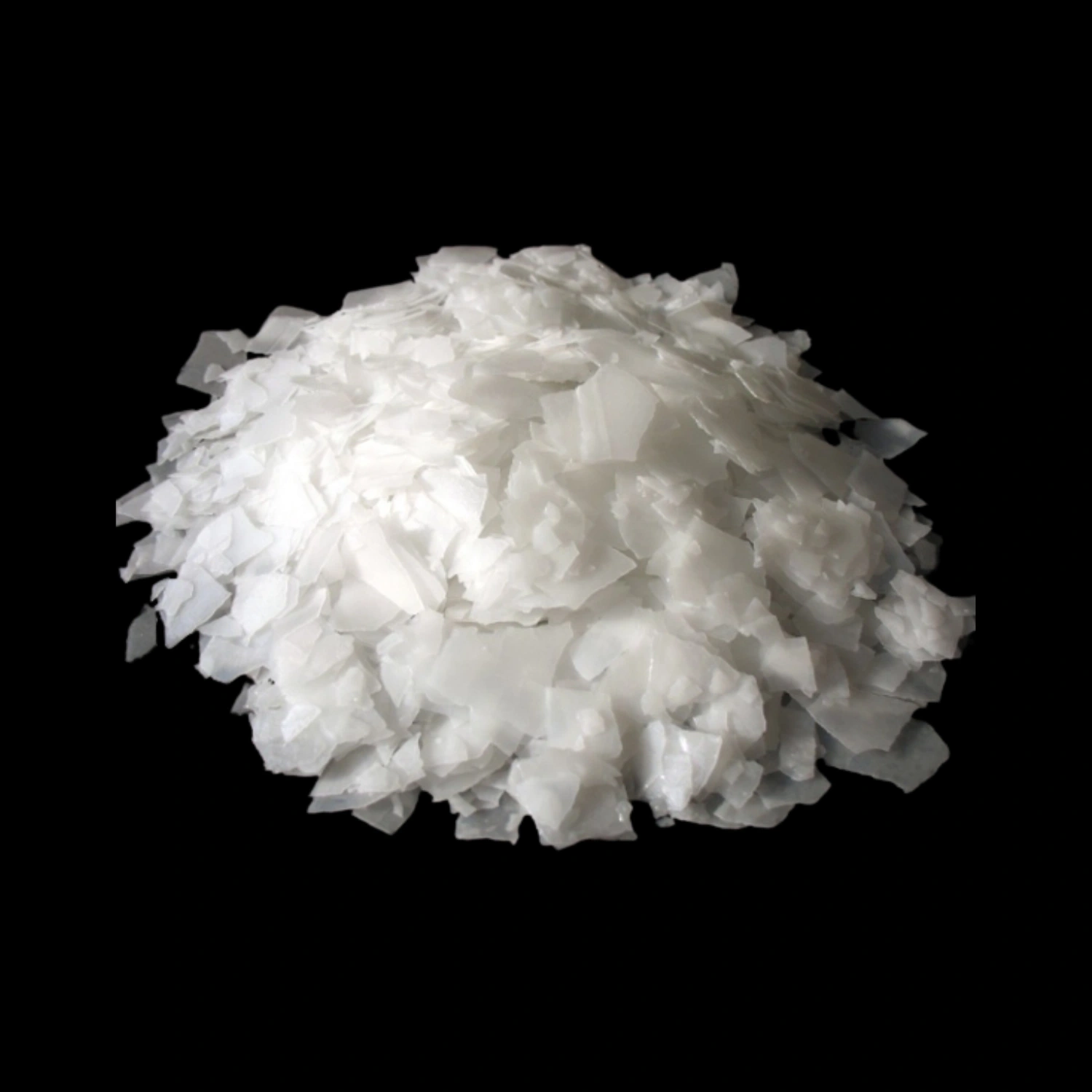
Caustic Soda Flakes
SOURCE LINK: https://cameochemicals.noaa.gov/about
Found this useful?