Chemical Supply Chain Resilience: Managing Raw Material and Logistics Disruptions
Chemical Supply Chain Resilience: Managing Raw Material and Logistics Disruptions
The chemical industry depends on a complex supply chain connecting raw material producers, chemical manufacturers, distributors, logistics providers, and industrial buyers. From specialty chemicals and food ingredients to petrochemicals and industrial solvents, every stage relies on the timely availability and movement of materials.
However, disruptions such as geopolitical tensions, port congestion, transportation delays, supplier shutdowns, changing regulations, extreme weather, and fluctuating energy prices can affect chemical availability and delivery schedules.
For manufacturers and distributors, these challenges can lead to higher procurement costs, production interruptions, delayed customer orders, and reduced profitability. Chemical supply chain resilience is therefore becoming an important business priority. Companies need flexible sourcing strategies, better inventory planning, reliable logistics partners, and stronger supplier relationships to maintain operations when unexpected disruptions occur.
Major Challenges Affecting Chemical Supply Chains
Major Challenges Affecting Chemical Supply Chains
Chemical supply chains face risks at multiple stages, from raw material extraction and manufacturing to international transportation and final delivery.
1. Raw Material Shortages
Chemical production depends on essential feedstocks such as crude oil derivatives, natural gas, minerals, agricultural inputs, and chemical intermediates. Shortages or production interruptions at upstream facilities can reduce material availability and increase procurement costs.
Manufacturers that depend on a single supplier or sourcing region are particularly vulnerable when that source experiences an unexpected shutdown.
2. Geopolitical Tensions and Trade Restrictions
International conflicts, sanctions, tariffs, export restrictions, and changing trade policies can affect chemical imports and exports. These developments may force companies to reconsider sourcing countries, identify alternative suppliers, or adjust purchasing arrangements.
3. Transportation and Logistics Disruptions
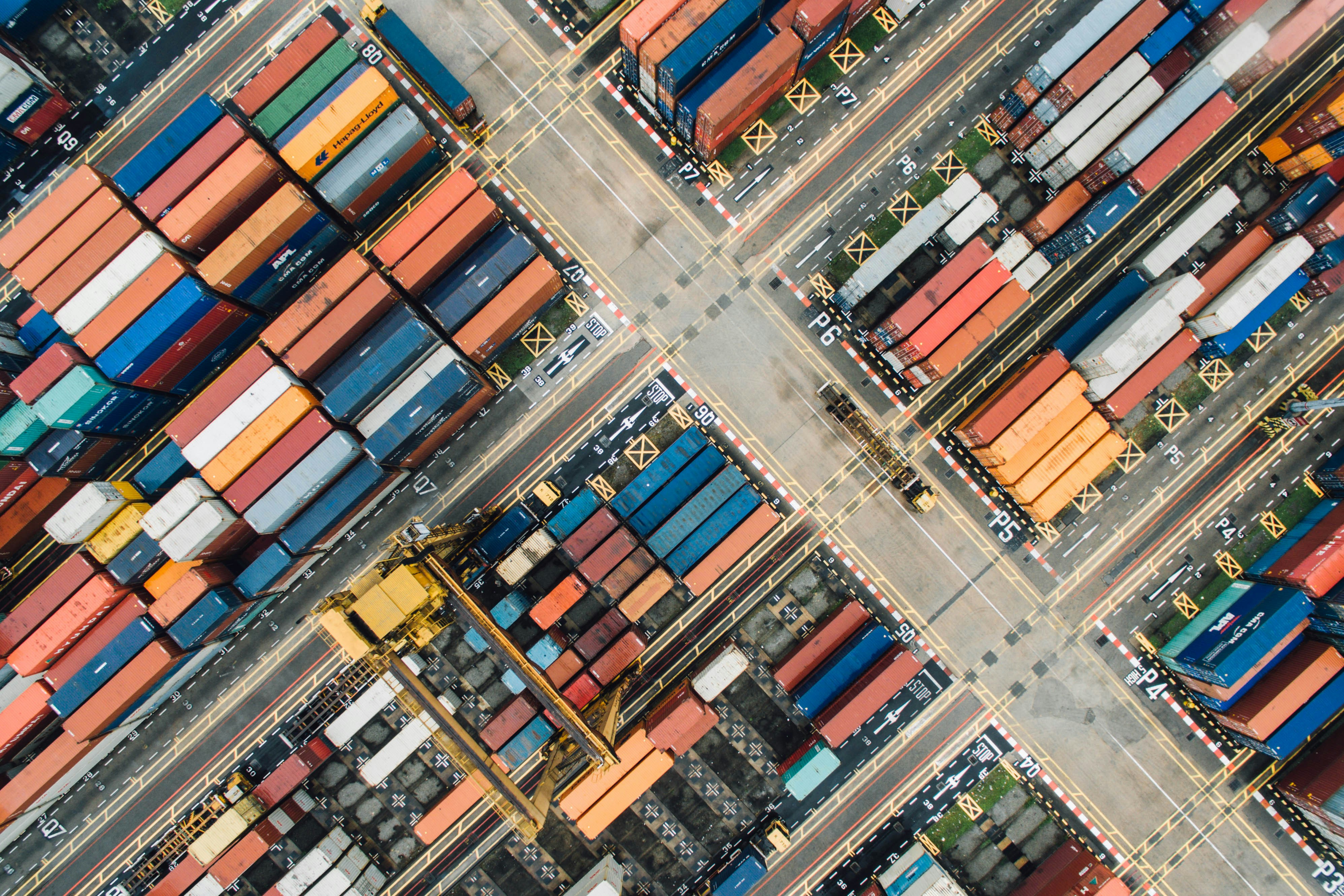
Chemical shipments often move through international ports, shipping routes, warehouses, and specialized transportation networks. Port congestion, container shortages, customs delays, route closures, and higher freight costs can interrupt deliveries.
Some chemicals also require specialized handling, temperature control, or hazardous-material transportation arrangements, making logistics planning more complex.
4. Energy Price Volatility
Energy is a major input in chemical manufacturing. Changes in natural gas, electricity, and fuel prices can increase production expenses and affect the competitiveness of chemical producers.
Higher energy costs can also influence transportation, storage, and distribution expenses.
5. Regulatory and Compliance Challenges
Chemical businesses must comply with safety, environmental, transportation, import, and product-specific regulations. Changes in regulatory requirements can affect supplier approvals, documentation, product availability, and cross-border shipments.
These challenges demonstrate why chemical companies need visibility across their entire supply networks rather than focusing only on direct suppliers.
Strategies to Build Chemical Supply Chain Resilience
1. Diversifying Raw Material Suppliers
Depending on one supplier creates significant exposure when production or transportation is interrupted. Chemical manufacturers can reduce this risk by qualifying multiple suppliers across different locations.
Dual sourcing and alternative supplier agreements provide additional options when the primary source becomes unavailable.
2. Maintaining Strategic Inventory
Companies should identify critical raw materials and establish suitable safety stock levels. Maintaining buffer inventory can help protect production against temporary shortages and delivery delays.
Inventory decisions should consider material shelf life, storage capacity, demand patterns, and the financial cost of holding stock.
3. Developing Flexible Logistics Networks
Businesses can work with multiple freight providers, identify alternative shipping routes, and use different ports or transportation modes where practical.
For hazardous or sensitive chemicals, alternative arrangements must also meet transportation safety and handling requirements.
4. Using Digital Supply Chain Monitoring
Digital platforms, predictive analytics, and real-time shipment tracking can help companies monitor inventory, supplier performance, transportation status, and changing demand.
Better visibility allows procurement and logistics teams to identify potential problems earlier and respond before disruptions become serious.
5. Establishing Alternative Production and Sourcing Options
Manufacturers can assess whether critical products can be produced using alternative feedstocks, qualified materials, or different manufacturing locations.
Any substitution must be technically validated to maintain product quality, safety, and regulatory compliance.
6. Strengthening Supplier Relationships
Regular communication with suppliers helps businesses understand production capacity, expected lead times, inventory availability, and potential operational risks.
Long-term supply agreements and collaborative planning can improve transparency and support more reliable procurement.
These strategies reflect approaches highlighted in chemical industry research, including supplier diversification, strategic inventory, digital visibility, and flexible sourcing.
The Role of Technology in Chemical Supply Chain Management
Technology is becoming an important part of modern chemical supply chain planning. Instead of depending entirely on manual updates and historical purchasing records, companies can use digital systems to monitor operations and improve decision-making.
Key technologies include:
Artificial Intelligence (AI): Helps analyze demand patterns, supplier performance, and potential supply risks.
Predictive Analytics: Supports forecasting of material requirements, delivery delays, and inventory shortages.
Internet of Things (IoT): Enables monitoring of shipment conditions, storage environments, and selected transportation activities.
Digital Supply Chain Platforms: Connect procurement, production, inventory, and logistics information.
Digital Twins: Allow companies to model supply chain scenarios and evaluate the potential impact of disruptions.
These tools can improve supply chain visibility, but their effectiveness depends on accurate data, integration between systems, and timely communication among supply chain partners.
How Chemical Disruptions Affect Industrial Buyers
Supply chain interruptions do not only affect chemical producers. They also create challenges for businesses that depend on chemicals as production inputs.
Industrial buyer | Potential impact |
|---|---|
Food and beverage manufacturers | Delays in receiving processing aids, preservatives, and ingredients |
Pharmaceutical manufacturers | Shortages of selected raw materials and intermediates |
Paint and coatings producers | Limited availability of resins, pigments, and solvents |
Agriculture companies | Delayed supply of fertilizer and crop-protection inputs |
Textile manufacturers | Higher costs or shortages of dyes and processing chemicals |
Water treatment companies | Delays in receiving treatment chemicals |
Plastics and packaging producers | Feedstock shortages and increased production costs |
For industrial buyers, even a temporary shortage of one critical chemical can affect production schedules and customer commitments. Maintaining alternative sourcing arrangements and communicating demand forecasts to suppliers can help reduce these risks.
Measuring Supply Chain Resilience
Chemical companies should regularly evaluate whether their supply chain strategies are working. Useful performance indicators include:
Supplier dependency: Percentage of critical materials purchased from a single supplier.
On-time delivery rate: Percentage of shipments received according to the agreed schedule.
Supplier lead time: Time required for suppliers to deliver materials.
Inventory coverage: Number of production days supported by available stock.
Supply recovery time: Time required to restore normal operations after a disruption.
Procurement cost variation: Changes in purchasing and transportation costs.
Supplier quality performance: Frequency of rejected, delayed, or non-conforming deliveries.
Tracking these indicators helps businesses identify weak points, evaluate supplier reliability, and improve long-term procurement planning.
The Future of Chemical Supply Chain Resilience
The chemical industry is moving towards more flexible and digitally connected supply networks. Companies are increasingly recognizing that supply chain resilience cannot depend only on emergency purchasing after a disruption occurs.
Future strategies are likely to place greater emphasis on regional sourcing, qualified alternative suppliers, predictive logistics, strategic inventory, and stronger cooperation between manufacturers and distributors.
Chemical businesses that balance cost efficiency with operational flexibility will be better positioned to manage unexpected changes in raw material availability, transportation costs, and international trade conditions.

Agar (E406)
Found this useful?