Chemical Tank Cleaning: Safety Procedures and Operational Best Practices
Chemical Tank Cleaning: Safety Procedures and Operational Best Practices
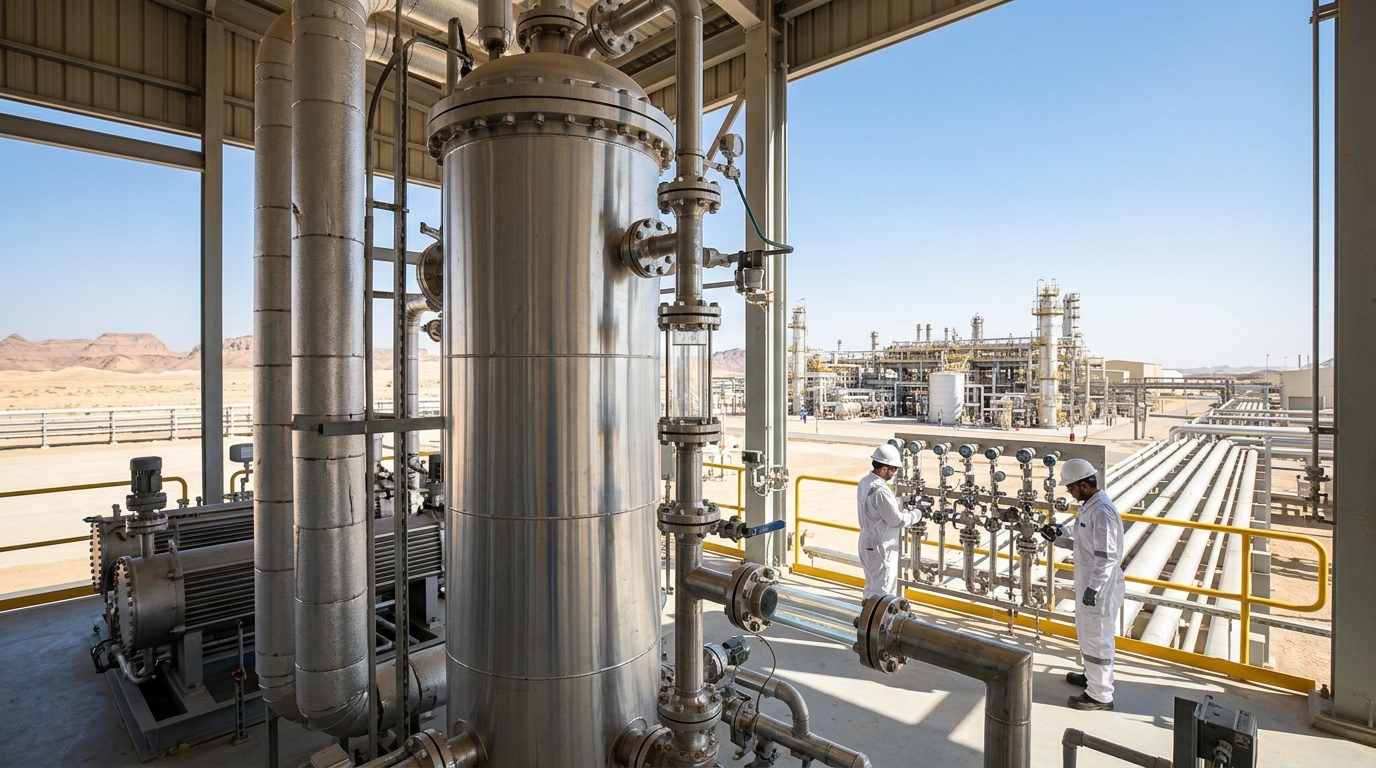
Chemical tank cleaning is an essential maintenance activity across chemical manufacturing, petrochemical processing, oil and gas, pharmaceuticals and other industrial sectors. Tanks must be cleaned to remove residual chemicals, sludge, deposits and contaminants before inspection, maintenance, product changeover or decommissioning.
However, tank cleaning can expose workers to toxic vapours, flammable atmospheres, oxygen deficiency, chemical burns and confined-space hazards. These risks make proper preparation, equipment isolation, atmospheric monitoring and emergency planning essential.
A safe tank-cleaning operation requires more than removing chemical residues. It involves a controlled process that protects workers, prevents environmental contamination and prepares the tank for its next operational purpose.
Understanding the Main Hazards of Chemical Tank Cleaning
The hazards associated with tank cleaning depend on the chemical previously stored, the tank design, the cleaning method and the surrounding operating environment.
Toxic Chemical Exposure
Chemical residues can release hazardous vapours during draining, washing, sludge removal and manual cleaning. Workers may inhale toxic substances or experience skin and eye contact with corrosive or irritating chemicals.
Examples of potential exposure include:
Acid and alkali residues
Hydrocarbon vapours
Solvent vapours
Toxic gases
Chemical sludge and contaminated deposits
Cleaning agents and detergents
A review of the previous tank contents and their safety data sheets (SDS) should be completed before selecting a cleaning method or protective equipment.
Flammable and Explosive Atmospheres
Tanks that previously contained fuels, solvents or other combustible chemicals may retain flammable vapours. If these vapours reach an ignitable concentration and encounter an ignition source, a fire or explosion may occur.
Potential ignition sources include electrical equipment, static electricity, hot work, unsuitable lighting and mechanical sparks.
Oxygen Deficiency or Enrichment
Confined tanks can develop unsafe oxygen levels because of chemical reactions, displacement by gases, inerting or inadequate ventilation. Oxygen deficiency can cause serious injury or death, while oxygen enrichment can increase fire hazards.
Slips, Falls and Physical Hazards
Wet tank surfaces, sludge, internal structures, restricted access points and temporary equipment can create additional risks. Workers may also face heat stress, restricted movement and difficulty evacuating the tank.
Pre-Cleaning Risk Assessment and Planning
A documented risk assessment should be completed before cleaning begins. The assessment should identify the tank's previous contents, potential chemical reactions, physical hazards and the safest practical cleaning approach.
Important planning activities include:
Reviewing the tank's operating and maintenance history
Identifying previously stored chemicals and residues
Reviewing relevant safety data sheets
Identifying confined-space requirements
Assessing fire, explosion and toxic exposure risks
Selecting suitable cleaning equipment and chemicals
Preparing emergency and rescue arrangements
Defining responsibilities for operators, contractors and supervisors
The cleaning plan should also identify whether the task can be completed using external connections or automated cleaning equipment without requiring workers to enter the tank.
OSHA's guidance on storage tank cleaning identifies preplanning, isolation, degassing, atmospheric testing, cleaning and recommissioning as major activities in the process.
Essential Safety Procedures for Chemical Tank Cleaning
1. Tank Shutdown and Product Removal
The first operational step is to take the tank safely out of service.
Where appropriate, the remaining product should be transferred through designated piping or fixed connections. Recovering usable material before cleaning can reduce waste generation and limit the amount of hazardous residue requiring removal.
The tank should then be drained using an approved procedure. Residual liquid, sludge and deposits must be handled according to their chemical properties and applicable waste-management requirements.
2. Isolation and Lockout/Tagout
Tank isolation prevents the unexpected entry of chemicals, gases, steam or other hazardous materials during cleaning.
Isolation planning should consider:
Product inlet and outlet lines
Drain and transfer connections
Steam and heating systems
Electrical supplies
Pumps and agitators
Pressurised systems
Automated valves and mechanical equipment
Other connected process lines
Depending on the risk assessment and applicable requirements, isolation may involve blanking or blinding, disconnecting pipe sections, suitable double-block-and-bleed arrangements and lockout/tagout procedures.
Isolation must be verified before work begins. Simply closing a valve may not provide sufficient protection against hazardous material entering the tank.
OSHA's hazardous-energy control requirements explain the importance of isolating energy sources and preventing unexpected equipment start-up during servicing and maintenance.
3. Degassing and Ventilation
After product removal and isolation, the tank may require degassing, purging, flushing or ventilation to reduce hazardous vapours and control atmospheric risks.
Ventilation equipment must be suitable for the atmosphere and operating conditions. Its air supply should come from a clean source and must not introduce additional hazards.
The required ventilation arrangement depends on the chemicals involved, tank configuration and cleaning procedure. Inerting is not equivalent to making a tank safe for human entry because an inert atmosphere may create an oxygen-deficient environment.
4. Atmospheric Testing Before Entry
Atmospheric testing is a critical requirement before workers enter a tank classified as a permit-required confined space.
Testing should be performed by trained personnel using suitable, calibrated instruments. The assessment should consider:
Oxygen concentration
Flammable gases and vapours
Toxic gases
Other contaminants identified through the risk assessment
The atmosphere should be tested at different levels and locations because hazardous gases and vapours may accumulate unevenly.
Monitoring may also be required throughout the cleaning operation. If unsafe conditions develop, workers must leave the tank and entry must stop until the cause has been assessed and appropriate controls are restored.
5. Confined-Space Entry Permit
Where the tank is classified as a permit-required confined space, an appropriate entry permit and confined-space programme should be implemented.
The permit should identify:
Tank or vessel identification
Purpose and duration of entry
Known and potential hazards
Required isolation measures
Acceptable atmospheric conditions
Ventilation and monitoring arrangements
Personal protective equipment
Authorised entrants
Entry supervisor
Attendant or standby personnel
Communication arrangements
Emergency and rescue procedures
An attendant should remain outside the tank while entry is taking place and maintain communication with workers inside. Rescue arrangements must be established before entry; untrained personnel should never attempt an improvised rescue.
6. Selection of the Cleaning Method
The cleaning method should be selected according to the chemical residue, tank material, contamination level and intended future use.
Common methods include:
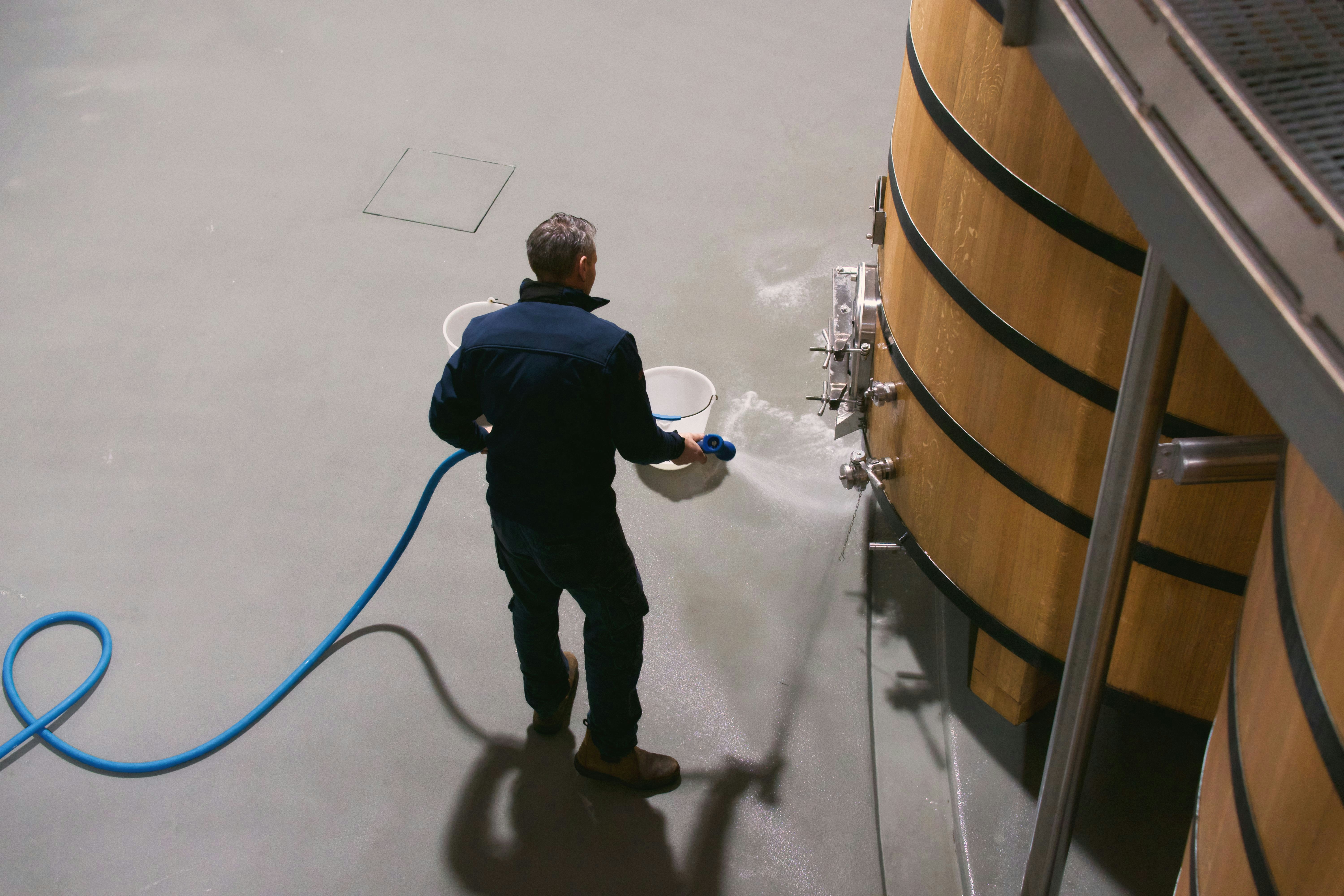
Water and detergent cleaning: Suitable for certain water-soluble residues and general surface cleaning, provided the chemicals involved are compatible with water and the cleaning agent.
High-pressure water jetting: Used to remove deposits and stubborn residues. It requires trained operators, suitable equipment and controls for high-pressure injection injuries, splashing and aerosol generation.
Chemical cleaning: Uses selected chemical solutions to dissolve, neutralise or remove particular deposits. Compatibility testing is important to prevent dangerous reactions, corrosion or additional hazardous vapour generation.
Solvent cleaning: May be used for selected oil-based or organic residues. Solvent selection must consider toxicity, flammability, compatibility and waste disposal.
Mechanical cleaning: Brushes, scrapers and specialised tools may be used to remove hardened deposits. Equipment must be appropriate for the atmosphere and the risk of sparks or other ignition sources.
Where practical, automated or remote cleaning systems can reduce the need for personnel to enter tanks.
Personal Protective Equipment for Tank Cleaning
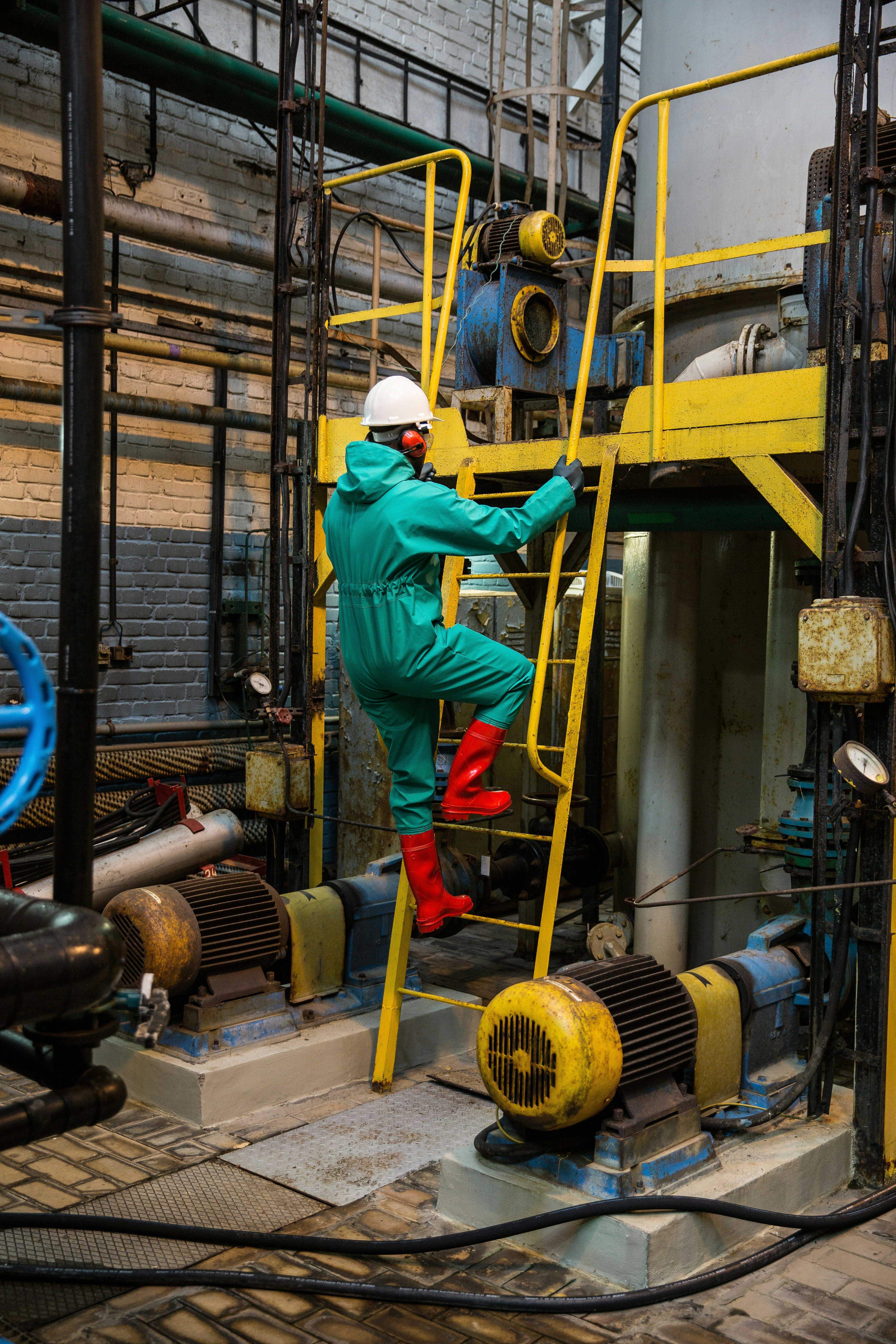
Personal protective equipment (PPE) should be selected through the risk assessment and chemical exposure evaluation. It must be compatible with the substances involved and suitable for the task.
Depending on the conditions, PPE may include:
Chemical-resistant gloves
Chemical-resistant coveralls or suits
Safety goggles and face shields
Chemical-resistant footwear
Suitable respiratory protection
Protective helmets
Hearing protection
Fall-protection equipment where required
Respiratory protection must be selected according to the identified hazards and applicable respiratory-protection requirements. An ordinary dust mask is not suitable protection against toxic gases or oxygen-deficient atmospheres. Where the atmosphere is unknown or immediately dangerous to life or health, entry must not proceed under an ordinary filtering respirator arrangement.
PPE should be inspected before use, maintained properly and replaced when damaged or contaminated.
Waste Management and Environmental Protection
Chemical tank cleaning produces liquid waste, sludge, contaminated absorbents and other residues. These materials may contain hazardous substances and should not be treated as ordinary industrial waste without assessment.
A suitable waste-management plan should cover:
Identification and classification of waste
Segregation of incompatible materials
Safe collection and temporary storage
Labelling and containment
Treatment or recovery options
Approved transportation and disposal
Documentation and regulatory compliance
Cleaning wastewater should be assessed before discharge. It may require treatment to remove oils, suspended solids, dissolved chemicals or other contaminants.
Effective waste management helps prevent soil and water pollution while supporting environmental compliance.
Operational Best Practices for Safer Tank Cleaning
Prioritise Cleaning Without Entry
Whenever technically and operationally feasible, use fixed cleaning systems, remote-controlled equipment or external connections to reduce confined-space entry.
Avoiding entry can significantly reduce exposure to atmospheric and physical hazards.
Maintain Continuous Communication
Workers inside tanks should remain in communication with the attendant and control personnel. Communication systems must be suitable for the operating environment and emergency conditions.
Monitor Atmospheric Conditions
Initial testing alone may not be sufficient. Conditions can change as sludge is disturbed, residues react, ventilation changes or cleaning chemicals are introduced.
Monitoring frequency and methods should be established through the confined-space programme and risk assessment.
Control Ignition Sources
Where flammable atmospheres are possible, ignition sources must be controlled. Electrical equipment, lighting, tools and ventilation arrangements should be suitable for the classified hazardous area.
Hot work should not be authorised until the applicable gas testing, tank preparation, permits and specialist certifications have been completed.
Train Workers and Contractors
Personnel involved in tank cleaning should receive appropriate training in:
Chemical hazard awareness
Confined-space entry
Atmospheric testing
Lockout/tagout
PPE and respiratory protection
Cleaning equipment operation
Emergency communication
Rescue procedures
Contractors and facility personnel should coordinate their responsibilities before work begins.
Post-Cleaning Inspection and Tank Recommissioning
Cleaning is not complete when visible residues have been removed. The tank must be inspected and prepared for its intended next use.
Post-cleaning activities may include:
Removing cleaning equipment, tools and waste materials.
Confirming that all workers have exited the tank.
Conducting an internal inspection where required.
Checking for corrosion, damage and remaining deposits.
Confirming that the tank meets the cleanliness requirements for its next service.
Closing access points and restoring connections under an approved procedure.
Completing the required de-isolation and recommissioning checks.
Documenting inspection results and authorising return to service.
The required cleanliness standard depends on the next product or process. A tank used for a different chemical or a product requiring high purity may need additional cleaning verification.
Regulatory and Industry Guidance
Chemical tank cleaning requirements vary by country, industry and tank type. Companies should identify the regulations and recognised standards applicable to their operations rather than relying on a single general procedure.
In the United States, OSHA's Permit-Required Confined Spaces standard, 29 CFR 1910.146, provides requirements for covered confined-space entry operations. OSHA's Control of Hazardous Energy standard, 29 CFR 1910.147, addresses lockout/tagout during applicable servicing and maintenance activities.
OSHA also provides specific guidance for petroleum and petrochemical storage tank cleaning, including isolation, degassing, atmospheric testing, cleaning and recommissioning.
Relevant industry references include API guidance for safe entry and cleaning of petroleum storage tanks and NFPA 326, which addresses safeguarding tanks and containers for entry, cleaning or repair. Applicability and current editions should be confirmed before use.
For operations outside the United States, employers must also follow the relevant national occupational safety, environmental and chemical-handling requirements.
Key Considerations for Industrial Operators
Chemical tank cleaning is a coordinated maintenance activity that requires operational planning, chemical knowledge and effective safety controls. The cleaning method must be compatible with the tank's previous contents, construction material and intended future service.
For industrial operators, the most important priorities are:
Complete a documented risk assessment before cleaning.
Isolate the tank and verify all relevant energy and material sources.
Avoid personnel entry wherever practical.
Establish suitable ventilation and atmospheric monitoring.
Apply confined-space permits and rescue arrangements where required.
Select compatible cleaning chemicals and equipment.
Manage sludge and wastewater responsibly.
Inspect and verify the tank before returning it to service.
A systematic approach helps reduce worker exposure, prevent incidents, protect equipment and support reliable industrial operations.
Suggested featured image alt text: Industrial chemical storage tank undergoing a controlled cleaning and maintenance operation with safety equipment and trained personnel.
Additional image alt text suggestions:
Industrial worker wearing chemical-resistant PPE during tank maintenance
Confined-space atmospheric testing before chemical tank entry
Industrial tank cleaning equipment used for residue removal
Lockout and tagout equipment applied to isolated chemical tank connections
Sources:

Bentonite
Found this useful?