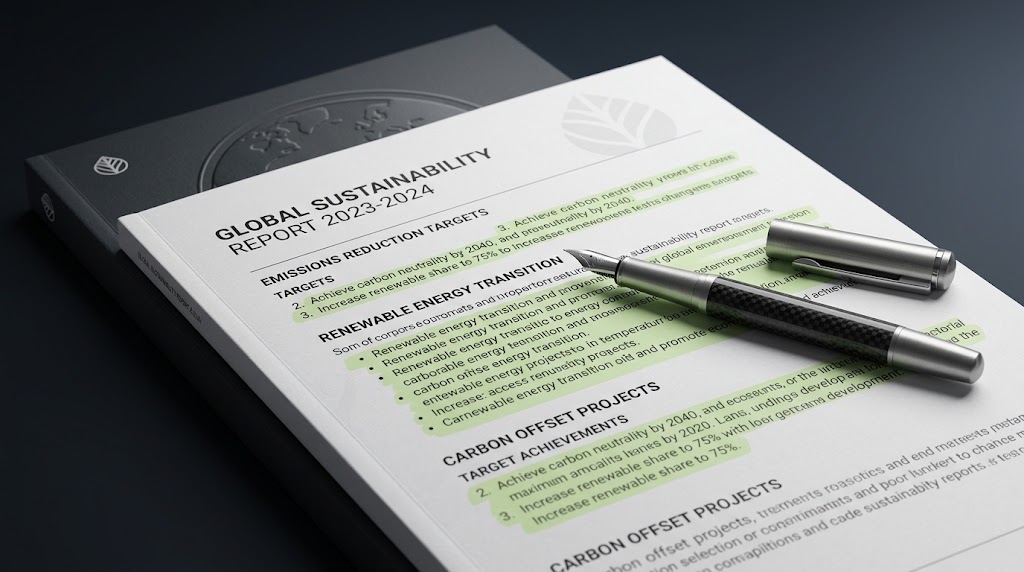
Chemical Week Names Roger Kearns as the New Face of Borouge's Global Ambitions
The global polyolefins market is witnessing a definitive shift in leadership and strategic direction. Chemical Week’s July 20-27 cover story recently profiled Borouge’s elevation to a global polyolefins stage under the leadership of new CEO Roger Kearns. This high-profile recognition underscores the company’s transformation from a regional Middle Eastern producer into a formidable, globally integrated polymer powerhouse. Procurement managers and chemical traders must immediately evaluate the implications of this strategic pivot. A unified, globally scaled supplier with enhanced technological capabilities will inevitably reshape supply dynamics, pricing structures, and innovation pipelines. Buyers relying on polyethylene (PE) and polypropylene (PP) derivatives need to anticipate shifts in allocation priorities and contract terms. Understanding the scale of this integration allows sourcing teams to build resilient contingency plans. Ignoring this market consolidation exposes organizations to unexpected supply bottlenecks and reduced negotiating leverage.
The Strategic Vision Under New Leadership
The appointment of Roger Kearns as CEO signals a clear mandate for operational excellence, customer-centric innovation, and disciplined capital allocation. Kearns brings extensive experience in scaling chemical operations and driving sustainable, profitable growth in complex global markets. His leadership is central to integrating Borouge’s massive, cost-advantaged Middle Eastern production footprint with advanced technological capabilities, such as proprietary Sclairtech™ processes.
Under this new direction, the company is aggressively optimizing its global asset footprint. This integration eliminates redundant operational costs and creates a seamless, worldwide supply network. For the chemical industry, this means a supplier with the financial muscle and geographic reach to weather macroeconomic volatility far more effectively than standalone competitors. Buyers must recognize that this merged entity now possesses dominant market share in key polymer segments, granting it substantial pricing power.
Impact on Global Polyolefin Supply Chains
The formation of this polyolefins powerhouse is already sending ripples through global supply chains. The combined production capacity allows the entity to balance regional demand fluctuations more effectively, dynamically shifting volumes between the Middle East, North America, and Europe to maximize profitability.
However, this optimization often comes at the expense of spot market availability. The merged company is highly likely to prioritize long-term, strategic contract holders over transactional buyers. Procurement teams must anticipate stricter allocation policies, especially during periods of tight global supply or unplanned operational outages.
Consolidation of Premium Grade Availability: The entity will likely focus its advanced R&D and production capabilities on high-margin specialty films, pipe grades, and automotive polymers.
Streamlined but Less Flexible Logistics: While the company can optimize its own supply chain, buyers may find fewer alternative sources for specific regional grades as competitors also consolidate.
Enhanced Focus on Value-Added Services: The merged entity will likely bundle technical support, custom compounding, and sustainability certifications with its polymer sales, raising the bar for industry standards.
The Push for Premium and Sustainable Polymers
Both legacy entities have previously committed to ambitious sustainability targets. The completed merger will accelerate investments in the circular economy, including advanced chemical recycling technologies and the commercial-scale development of certified circular polyolefins.
For procurement teams with strict environmental mandates, this is a positive development. The combined entity will have the capital and scale to produce mass-balanced and mechanically recycled polymers at volumes that meet global demand. Buyers should proactively engage with the new company to explore these sustainable material options.
Sourcing these certified circular alternatives not only future-proofs the supply chain against tightening global plastic regulations but also directly supports corporate Scope 3 emissions reduction targets. Certifications such as ISCC PLUS will become standard requirements in procurement evaluations.

Strategic Sourcing in a Consolidated Market
In response to this major industry consolidation, procurement professionals must adopt highly disciplined sourcing strategies. Relying on a single supplier for critical polyolefin grades is now a massive operational liability.
Buyers should prioritize securing multi-year supply agreements with clear volume guarantees and defined, transparent escalation clauses. Suppliers are more willing to offer favorable terms to customers who provide predictable, long-term demand, which helps justify the allocation of premium production capacity.
Diversifying the geographic supplier base is equally critical. With a major player consolidating its market share, buyers must actively qualify alternative vendors in Southeast Asia, Europe, or other parts of North America. This geographic spread ensures continuity if the merged entity faces regional logistical challenges or implements aggressive portfolio rationalization.
What Buyers Should Do Now
Procurement leaders must act decisively to align their strategies with this new market reality. Conduct a comprehensive spend analysis to identify the total volume of polyolefins currently sourced from either legacy Borouge or NOVA Chemicals operations.
Initiate proactive conversations with your key account managers to understand the new entity’s integration timeline, potential product portfolio changes, and long-term capacity allocation plans under the new leadership.
Qualify alternative suppliers immediately for any grades that are critical to your operations but may be deemed "non-core" by the merged entity. Do not wait for formal discontinuation notices to begin the technical validation of substitute materials. Building a resilient, diversified, and forward-looking supply chain is the ultimate defense against market consolidation.
Ready to source Styrene Monomer from verified global suppliers? Explore competitive offers on our platform today.
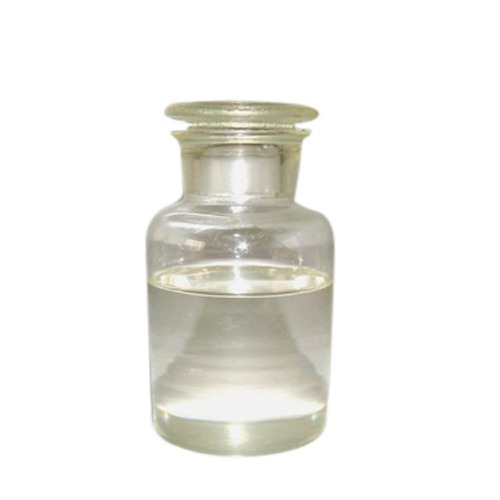
Styrene Monomer
Found this useful?