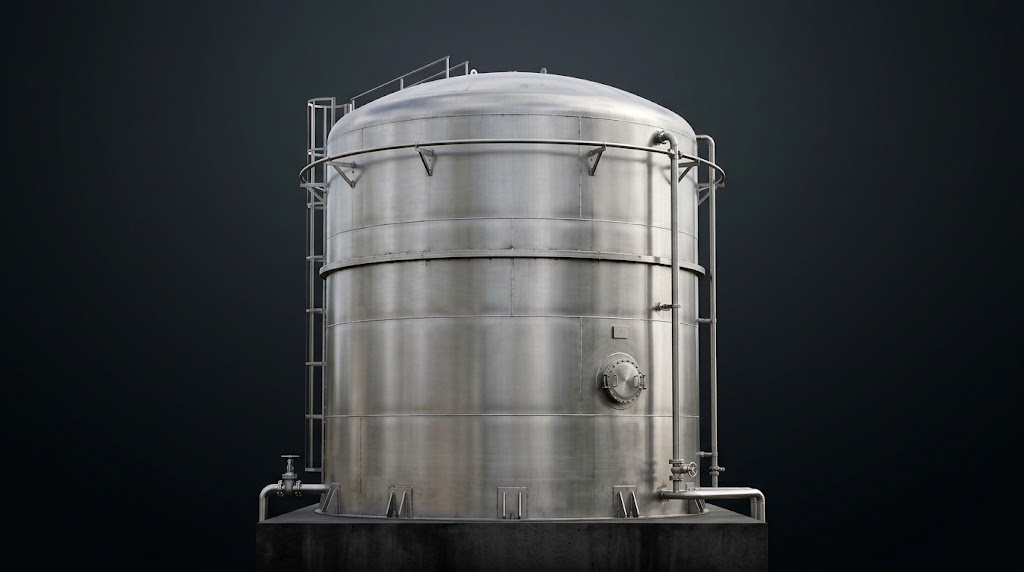
Chemours Sets August 5 Date for Q2 2026 Earnings Release
The Chemours Company will release its second quarter 2026 financial results on Wednesday, August 5, with an earnings conference call scheduled for 8:00am Eastern time. This announcement marks a key date for buyers of titanium dioxide, refrigerants and performance chemicals. Chemours, spun off from DuPont in 2015, remains one of the largest producers of titanium dioxide globally. Its quarterly results offer valuable signals for procurement professionals in coatings, plastics, paper and refrigeration industries.
The August 5 call follows a first quarter that saw mixed performance across Chemours' business segments. The Titanium Technologies division, which produces TiO2 pigment, faces ongoing pressure from fluctuating demand in construction and automotive coatings. The Thermal & Specialized Solutions segment, focused on refrigerants, continues to navigate regulatory transitions and evolving market dynamics. Buyers should approach this earnings release with a clear understanding of what metrics matter most.
What Chemours Q2 Results Tell Buyers
Chemours operates three main business segments: Titanium Technologies, Thermal & Specialized Solutions and Advanced Performance Materials. Each segment serves distinct industrial markets with different demand drivers and pricing dynamics. The Q2 results provide a snapshot of end-market health across these diverse sectors.
Titanium Technologies generates revenue primarily from TiO2 pigment sales. This white pigment serves as a critical input for paints, coatings, plastics, paper and inks. Global TiO2 demand correlates closely with construction activity, automotive production and consumer goods manufacturing. Chemours' sales volumes and pricing in this segment indicate overall market conditions for this essential chemical.
Thermal & Specialized Solutions produces refrigerants including Opteon and Freon brands. This segment faces regulatory changes as the industry transitions from high-global-warming-potential hydrofluorocarbons to lower-impact alternatives. Chemours' performance here signals adoption rates of new refrigerants and the pace of regulatory compliance across different regions.
Key Price Drivers in the Titanium Dioxide Market
TiO2 prices depend primarily on titanium ore feedstock costs, energy prices and supply-demand balances. Ilmenite and rutile, the primary ores used for TiO2 production, come from mines in Australia, South Africa, Canada and other countries. Any disruption in mining operations or shipping routes directly affects pigment pricing.
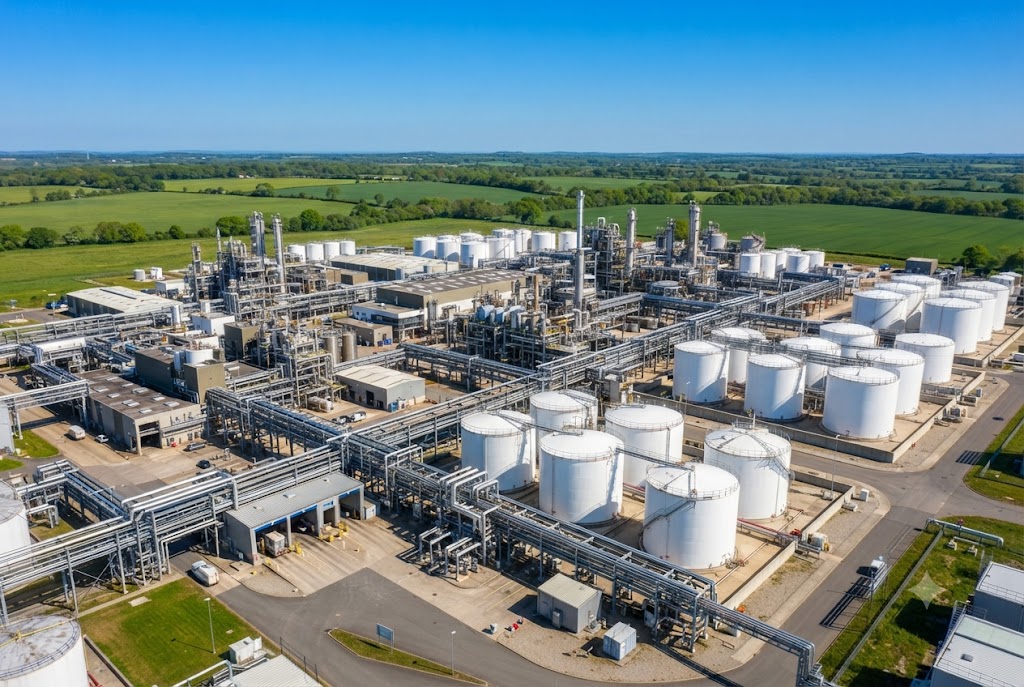
Production capacity utilisation is another critical factor. Chemours operates TiO2 plants in the United States, Mexico and several other countries. Plant shutdowns for maintenance or any curtailment due to market weakness can tighten supply and support prices. Buyers should listen for any commentary on production rates during the earnings call.
Energy costs represent a significant portion of TiO2 production expenses. The chloride process, which Chemours predominantly uses, requires substantial electricity and natural gas. Price movements in these energy sources influence the company's production costs and ultimately its pricing decisions.
Applications and End-User Demand
TiO2 pigment finds its largest application in architectural coatings, where it provides opacity and brightness. The construction sector's health, particularly residential and commercial building activity, drives much of this demand. Recovery in housing markets across North America and Europe would boost TiO2 consumption.
Automotive coatings represent another major application. Vehicle production volumes directly influence TiO2 demand, with each car requiring approximately four kilograms of pigment. Supply chain normalisation in the automotive sector has supported steady consumption, though electric vehicle adoption brings some changes to coating formulations.
Plastics and paper applications provide additional demand channels. TiO2 adds whiteness and opacity to plastic packaging, films and paper products. The packaging industry's growth, driven by e-commerce and consumer goods, contributes to sustained TiO2 consumption.
Chemours' Position in the Global TiO2 Market
Chemours ranks among the world's largest TiO2 producers, competing with companies like Tronox, Venator and Kronos. The company's chloride process technology offers efficiency advantages over the older sulfate process used by some competitors. This technological edge provides Chemours with cost leadership in certain market conditions.
The company's geographic footprint gives it access to both North American and export markets. TiO2 demand in emerging economies, particularly in Asia and Latin America, offers growth opportunities. Chemours' ability to serve these markets from its production facilities in Mexico and other locations provides logistical advantages.
Refrigerant Market Dynamics to Watch
The Thermal & Specialized Solutions segment deserves close attention from buyers in the HVAC and refrigeration industries. The transition away from high-GWP refrigerants continues to reshape this market. Chemours' Opteon series of low-GWP refrigerants have gained market share as regulatory deadlines approach.
Regulatory compliance deadlines affect demand patterns. The Kigali Amendment to the Montreal Protocol mandates phasedown of HFC refrigerants in developed countries. Similar regulations in Europe and North America drive adoption of alternative products. Chemours' performance in this segment reflects the pace and success of this transition.
Pricing in refrigerant markets can be volatile. Production quotas under the HFC phasedown create artificial supply constraints, affecting prices. Chemours' commentary on regulatory developments and production allocations will help buyers anticipate future cost trends.
Supply Chain Risks and Sourcing Implications
Chemours' Q2 results will likely address supply chain conditions across its operations. Port congestion, shipping container availability and freight costs have affected chemical logistics in recent periods. Any changes in these conditions would impact delivery times and landed costs for international buyers.
Raw material availability, particularly titanium ore, remains a concern. Mining operations in certain regions have faced operational challenges, affecting feed supply. Buyers should watch for any discussion of feedstock procurement or inventory levels that might signal upcoming supply constraints.
The company's inventory management practices also matter. High finished goods inventory might indicate softer demand and potential pricing pressure. Low inventory levels, conversely, could signal strong consumption and possible supply tightness. These signals help buyers adjust their own stock strategies.
Regulatory and Environmental Considerations
Chemours faces significant regulatory scrutiny across its operations. Environmental regulations affecting titanium dioxide production, including waste management and emissions controls, impose compliance costs. Any changes in these requirements could affect production economics and pricing.
The company's sustainability initiatives, including emissions reduction targets and product stewardship programmes, influence its competitive positioning. Buyers increasingly consider environmental performance in supplier selection. Positive updates on these fronts strengthen Chemours' appeal to environmentally conscious procurement teams.
What Chemours' Results Mean for TiO2 and Refrigerant Prices
The earnings call will provide forward-looking guidance for the remainder of 2026. Management will likely address demand visibility, pricing expectations and cost outlooks. These projections inform buyer negotiation strategies and contract planning.
Positive results with strong guidance tend to support current price levels. Disappointing results might create opportunities for buyers to secure more favourable terms. In either case, the call's information helps procurement professionals benchmark their own market intelligence against the company's perspective.
The Q2 results also serve as a proxy for competitor performance. If Chemours reports robust sales, other TiO2 producers likely experienced similar conditions. This broader market insight aids buyers in evaluating alternative suppliers and negotiating from an informed position.
Actionable Steps for Procurement Teams
Review your current TiO2 and refrigerant supply agreements ahead of the earnings call. Identify any pricing mechanisms or volume commitments that might be affected by the results. Prepare to adjust your procurement strategy based on the company's updated outlook.
Listen to the conference call for any changes in the company's capacity utilisation or production guidance. These indicators directly affect supply availability and lead times. Incorporate this information into your demand forecasting and inventory planning processes.
Looking Ahead to the Second Half of 2026
The Q2 earnings release provides crucial data for the remainder of the calendar year. Seasonal demand patterns, maintenance schedules and regulatory deadlines all converge in the second half. Understanding Chemours' perspective on these factors helps buyers navigate the months ahead.
The company's investment in new production capacity or process improvements could influence future supply conditions. Any announcements regarding plant expansions or technology upgrades signal long-term market dynamics. Procurement teams should factor these developments into their strategic sourcing plans.
The Bottom Line for Buyers
Chemours' Q2 2026 earnings call on August 5 represents a key intelligence opportunity for buyers of titanium dioxide and refrigerants. The company's performance and management commentary offer direct insights into market conditions, pricing trends and supply availability. Procurement professionals who actively monitor these signals gain a competitive edge in their sourcing activities.
The TiO2 and refrigerant markets remain complex, with multiple factors influencing prices and availability. Chemours' results serve as one data point among many, but its market leadership position makes it particularly informative. Use the information from this call to validate your market assumptions and refine your procurement strategy.
Ready to source titanium dioxide from verified global suppliers? Explore competitive offers on our platform today.
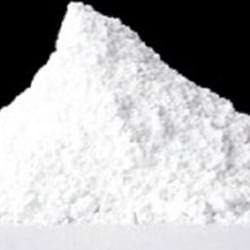
Titanium Dioxide
Found this useful?