Chemours' TiO2 Price Increases Continue as Compliance Spending Ramps Up
Chemours has raised titanium dioxide prices across the Asia-Pacific region three times so far in 2026, a cumulative increase of $400 per ton as of June. The moves come alongside the company's broader environmental compliance commitments, including the EPA settlement resolving legacy PFAS claims announced in June. For buyers, these two threads are related but distinct, and understanding the difference matters for how procurement teams read future pricing signals.
Raw material costs, not compliance spending, have been the primary driver behind this year's TiO2 price increases.
What's Actually Pushing TiO2 Prices Higher
The titanium dioxide market entered a broad industry-wide price increase cycle in March 2026, when 26 global producers, including Chemours and Tronox, announced adjustments of roughly $100 per ton. Chloride-process producers in China initiated that round, with sulfate-process producers following shortly after.
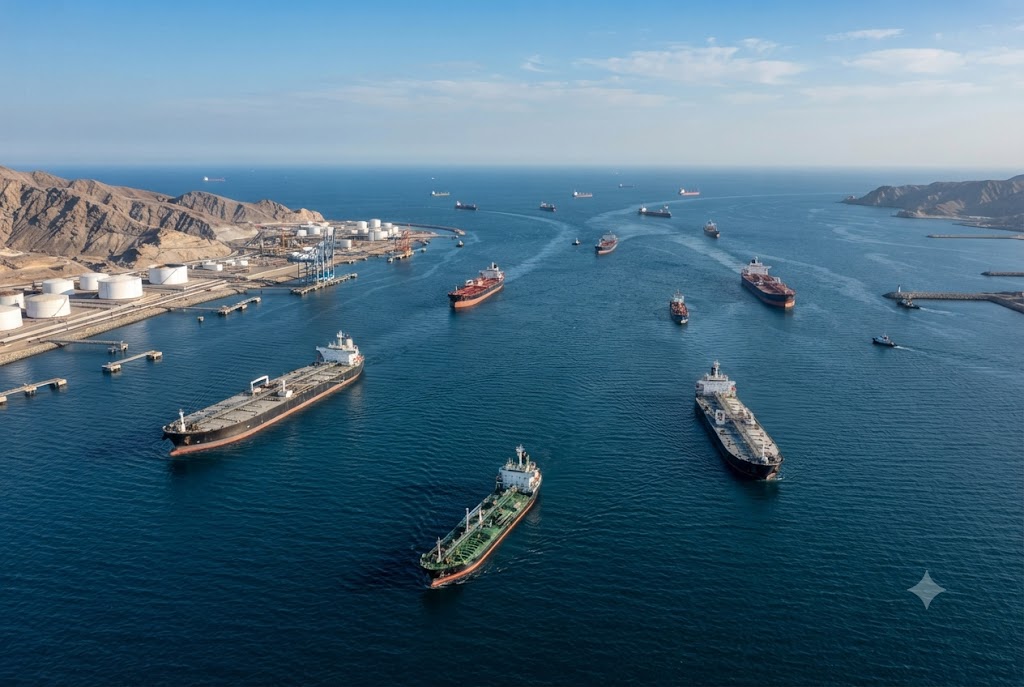
Sulfur and sulfuric acid feedstock costs have been the primary driver behind the sustained pricing pressure. Sulfuric acid indices rose approximately 45% during the period, tied partly to geopolitical disruption affecting sulfur supply chains through the Strait of Hormuz region.
A few structural factors have kept the pressure sustained through the first half of 2026:
Tight production and inventory. Titanium dioxide output fell nearly 5% month over month in April, with cumulative year over year decline reaching roughly 10% through the first four months.
Falling producer stockpiles. Inventories dropped close to 10% month over month, removing a buffer that might otherwise have slowed price increases.
Weak downstream demand persisting. Despite the price increases, end demand from sectors like construction and property has remained soft, meaning cost pressure rather than strong orders is what's driving the market.
Where Environmental Compliance Fits In
Chemours' EPA settlement, finalized June 24, 2026, resolved PFAS discharge claims tied to its Washington Works, Fayetteville Works and Chambers Works facilities. That agreement committed the company to a $22.5 million civil penalty paid through 2028, along with $90 million in mitigation and drinking water program funding over the next 15 years.
These are real financial obligations, but they run on a separate track from titanium dioxide's raw material driven pricing cycle. Compliance investment of this kind tends to reflect a company's broader environmental risk management strategy rather than a direct input cost baked into a specific product's pricing formula.

Why Buyers Should Separate the Two Cost Drivers
Conflating raw material driven price increases with regulatory compliance spending can lead buyers to misjudge how sustainable a given price increase actually is. TiO2 pricing this year has tracked closely with sulfur costs and supply tightness, both of which can ease if Middle East feedstock disruptions resolve or if Chinese production capacity stabilizes.
Environmental compliance costs, by contrast, tend to be longer term and less directly tied to any single quarter's spot pricing. A settlement with a defined multi-year payment schedule, like Chemours' PFAS agreement, gets absorbed into overall corporate cost structure rather than passed through as a line-item surcharge on titanium dioxide shipments.
Buyers negotiating TiO2 contracts should focus their leverage discussions on the actual cost drivers at play, particularly sulfur and sulfuric acid feedstock trends, rather than assuming compliance obligations are inflating near-term pricing.
What to Watch Through the Rest of 2026
Titanium dioxide pricing looks set to stay firm in the near term given continued feedstock cost pressure and tight inventory positions across producers. Whether that trend eases depends heavily on how quickly sulfur supply chains stabilize and whether downstream demand from construction and coatings picks up.
For procurement teams, the practical takeaway is to track feedstock cost indices directly rather than treating a supplier's broader compliance news as a pricing signal. Chemours' PFAS settlement closes a chapter of regulatory uncertainty for the company, but it is unlikely to meaningfully move TiO2 pricing one way or the other over the coming quarters.
Ready to source titanium dioxide and specialty coatings chemicals from verified global suppliers? Explore competitive offers on our platform today.
Titanium Dioxide
Found this useful?