Chemours' Titanium Technologies Segment Continues Serving Coatings and Pharma-Adjacent Markets
Chemours' Titanium Technologies Segment Continues Serving Coatings and Pharma-Adjacent Markets
TiO2 is often called a commodity. In pharma-adjacent coatings, it's a qualified specialty — and Chemours is holding that line.
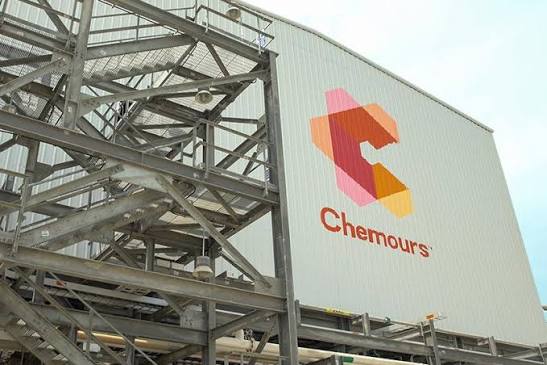
Chemours' Titanium Technologies business is known for one thing: Ti-Pure titanium dioxide for paint. But even as TiO2 pricing remains soft in Q2 2026, this segment continues serving markets that look nothing like commodity coatings — including pharmaceutical packaging, medical equipment coatings, and regulated consumer health applications.
That distinction matters for both supply and valuation.
TiO2 Is in a Downcycle, But Pharma-Adjacent Demand Is Not
The headline for Titanium Technologies in Q2 2026 is familiar: pricing down year-over-year due to Chinese TiO2 overcapacity and soft architectural paint demand in Europe. Global TiO2 prices averaged $2,600-2,800/MT, down from $3,400+ in 2022. Chemours ran its DeLisle and Altamira plants at reduced rates to avoid building inventory.
But inside that headline, pharma-adjacent applications held up.
TiO2 grades used in coatings for pharmaceutical blister packaging, medical device housings, and cleanroom equipment are not sold as commodity pigment. They are qualified formulations — Ti-Pure R-900 series and specialty grades with low heavy metals, controlled particle size distribution, and USP and FDA food contact compliance. These grades go into white coil coatings for pharma warehouses, high-purity coatings for tablet coaters and fluid bed dryers, and inks for pharma packaging where regulatory documentation is mandatory.
Volumes for these specialty TiO2 grades were flat to up low-single digits in Q2, while commodity architectural grades were down mid-single digits. Pricing for pharma-qualified grades held firm with a $400-600/MT premium over standard paint grades because requalification requires extractables testing and regulatory filing updates that customers want to avoid.
This is the same pattern we saw at Solvay and BASF this quarter — commodity grades under pressure, specialty qualified grades resilient.
Why Pharma-Adjacent Coatings Keep TiO2 Sticky
Pharma packaging and equipment coatings are a small part of Titanium Technologies revenue, but they explain why Chemours' TiO2 business is more than a commodity play.
First, qualification. A TiO2 grade used in a coating for pharmaceutical primary packaging or for equipment that touches tablets must meet USP <88> and have low photoreactivity to avoid API degradation. Changing TiO2 supplier means new photostability testing and filing updates. That takes 12-18 months. Customers do not switch to save $100/MT.
Second, formulation know-how. Chemours does not sell just TiO2 powder to these customers. It sells dispersion know-how — how to achieve opacity at 8 microns without agglomeration, how to maintain chemical resistance against IPA and VHP sterilization. That is delivered through application labs and technical service, the customer intimacy PwC said drives premium multiples.
Third, regulatory tailwind. As pharma companies move to continuous manufacturing and high-potency APIs, they are repainting and upgrading equipment with high-performance fluoropolymer and TiO2 pigmented coatings that resist chemical attack. That drives demand for specialty TiO2 grades with enhanced durability and cleanability — not commodity grades.
While the broader TiO2 market will recover only when Chinese exports slow and construction rebounds, pharma-adjacent TiO2 is already stable because it is tied to pharma capex and regulatory compliance, not housing starts.
What This Means for Buyers and Owners
If you source TiO2 for coatings that touch pharmaceutical packaging, medical devices, or health-related applications, Chemours' Q2 shows two markets.
Standard TiO2 for architectural or industrial coatings remains well supplied. Use the current soft patch to lock annual contracts, but expect Chemours and Tronox to keep supply disciplined — they would rather idle capacity than crash price further.
Specialty TiO2 for pharma-adjacent coatings is tight on qualified grades and will stay priced at a premium. If you need low-heavy-metals Ti-Pure grades with FDA and USP documentation, secure your qualification and contract now. Dual qualification is taking 6-9 months due to testing backlogs.
If you own a specialty coatings or pharma packaging coatings business that uses TiO2, your formulation library — how you disperse TiO2 to meet opacity and regulatory requirements — is your value driver. That know-how trades at 12-14x EBITDA, while a pure TiO2 distribution business trades at 6-7x. Document it.
On our marketplace, we connect verified buyers and sellers of pharma-qualified TiO2, Ti-Pure grades, and alternate specialty TiO2 with full regulatory documentation, CoA, and low-heavy-metals certification. Whether you need to source TiO2 for pharma equipment coatings or want to benchmark what a pharma-adjacent coatings formulation business is worth, post anonymously today.
In Q2 2026, Titanium Technologies proves that even the most commodity-looking chemical has a specialty edge — when it is qualified into pharma.
Found this useful?