Chiesi Completes KalVista Acquisition, Reshaping Rare Disease Pharma
Chiesi Group has completed its acquisition of KalVista Pharmaceuticals, marking the Italian biopharmaceutical company’s largest deal to date. The transaction creates a significant development for the pharmaceutical sector as established companies continue to expand through targeted acquisitions in specialized therapeutic markets.
The Chiesi KalVista acquisition also illustrates how pharmaceutical companies are using strategic deals to strengthen their positions in rare diseases. For chemical traders, pharmaceutical manufacturers and procurement teams, such transactions can influence demand for active pharmaceutical ingredients, excipients, intermediates, laboratory materials and specialized manufacturing inputs.
Chiesi KalVista Acquisition Expands a Strategic Pharmaceutical Portfolio
The acquisition brings KalVista Pharmaceuticals into Chiesi Group at a time when rare disease therapies continue to attract strategic interest across the biopharmaceutical industry. KalVista’s focus gives Chiesi an opportunity to broaden its presence in a highly specialized area of medicine.
For Chiesi, the transaction represents more than an increase in portfolio size. It adds capabilities, products and expertise that can support the company’s long-term strategy in specialty pharmaceuticals.
The scale of the transaction also matters. As Chiesi’s largest deal to date, the acquisition signals a meaningful commitment of capital and management attention toward external growth.
For suppliers, major pharmaceutical acquisitions can create opportunities across several areas:
Raw material demand: Expanded pharmaceutical portfolios can increase requirements for APIs, excipients and chemical intermediates.
Manufacturing capacity: Integration can influence where products are developed, manufactured and supplied.
Quality requirements: Pharmaceutical buyers typically maintain strict specifications for identity, purity, consistency and documentation.
Supplier qualification: New ownership structures can lead companies to reassess sourcing relationships and procurement processes.
Why Rare Disease Medicines Attract Pharmaceutical Investment
Rare disease markets often require highly specialized scientific capabilities and focused commercial strategies. Pharmaceutical companies may therefore view acquisitions as a faster route to therapeutic expansion than building an entirely new platform internally.
The Chiesi KalVista acquisition reflects this broader strategic approach. Rather than relying only on internal research and development, Chiesi gains access to an established organization operating within a specialized therapeutic field.
Rare disease products can also create distinctive supply chain requirements. Pharmaceutical manufacturers may need tightly controlled chemical inputs, specialized analytical materials and reliable production partners capable of meeting stringent quality standards.
For chemical suppliers, this creates an important distinction. Pharmaceutical demand does not simply depend on volume. Consistency, regulatory documentation and supply reliability can carry equal or greater importance than price.
What the Deal Means for Pharmaceutical Chemical Supply Chains
An acquisition can alter procurement structures even when the underlying products remain unchanged. New ownership can bring changes to supplier contracts, manufacturing strategies, quality systems and purchasing priorities.
Chemical traders should watch for potential shifts in how pharmaceutical companies source materials after major portfolio expansion. A larger organization may consolidate suppliers, seek new geographic sources or establish stronger strategic relationships with manufacturers.
Several supply chain considerations become particularly relevant:
Supplier consolidation: Larger pharmaceutical groups may reduce fragmented sourcing and favor qualified suppliers with broader capabilities.
Quality documentation: Certificates of analysis, traceability records and technical specifications can become increasingly important during supplier evaluation.
Continuity of supply: Pharmaceutical manufacturers need dependable access to critical materials, especially when products serve patients with specialized medical needs.
Regional sourcing: Companies may review international supply networks to strengthen resilience and manage exposure to transportation or geopolitical disruptions.

Procurement Priorities After a Major Pharmaceutical Acquisition
The completion of a large acquisition can prompt procurement teams to examine existing supply arrangements more closely. Buyers may evaluate whether current suppliers can support future requirements across quality, capacity, geography and commercial terms.
For chemical traders serving the pharmaceutical industry, understanding these priorities can improve positioning with potential customers.
Quality assurance remains central. Pharmaceutical materials often require consistent specifications and detailed documentation. Suppliers that can demonstrate reliable quality systems may have an advantage when buyers reassess their vendor base.
Supply continuity also matters. A pharmaceutical company cannot easily substitute a critical input without considering formulation performance, manufacturing processes and applicable quality requirements.
Commercial flexibility can support long-term relationships. Buyers may look for suppliers capable of handling changing order volumes while maintaining consistent quality and delivery performance.
This makes pharmaceutical sourcing different from commodity procurement. Price remains important, but procurement teams often evaluate the total supply proposition rather than selecting a supplier based solely on the lowest offer.
How Chemical Traders Can Respond to Pharmaceutical Market Consolidation
The pharmaceutical sector continues to use acquisitions as a strategic tool for accessing specialized capabilities and strengthening portfolios. Chemical traders can respond by developing deeper knowledge of the requirements that shape pharmaceutical purchasing decisions.
A strong supplier proposition should address several areas.
First, traders should maintain accurate product specifications and documentation for every pharmaceutical-grade material they offer. Clear technical information can reduce delays during qualification and purchasing discussions.
Second, suppliers should understand their customers’ manufacturing needs. Knowing whether a buyer requires an API, excipient, intermediate or another chemical input helps traders offer more relevant sourcing solutions.
Third, traders should build supply networks that can respond to changing demand. A newly expanded pharmaceutical portfolio may create different requirements across production locations and product lines.
Finally, supplier relationships should focus on reliability rather than individual transactions. Pharmaceutical buyers often place significant value on vendors that can support consistent procurement over time.
Broader Implications for Pharmaceutical Manufacturing Demand
The Chiesi KalVista transaction highlights the relationship between pharmaceutical corporate strategy and the chemical supply chain. When pharmaceutical companies expand into specialized therapies, their procurement requirements can evolve alongside their commercial portfolios.
This does not necessarily mean immediate demand increases for every chemical category. Instead, it can lead to more specialized and quality-sensitive sourcing requirements across selected pharmaceutical inputs.
Chemical manufacturers and traders can benefit from monitoring these developments because corporate transactions often provide early signals about strategic priorities. A major acquisition can indicate where a company intends to dedicate resources, develop products and strengthen market expertise.
For exporters, the development also reinforces the value of maintaining access to international pharmaceutical customers. Global sourcing networks allow traders to connect qualified chemical manufacturers with buyers seeking reliable supply outside their traditional markets.
What Pharmaceutical Buyers Should Watch Next
The completion of the acquisition marks an important corporate milestone, but the longer-term impact will depend on how Chiesi integrates KalVista into its broader operations and pharmaceutical strategy.
Procurement professionals should focus on practical indicators rather than the transaction alone. Changes in manufacturing locations, portfolio priorities, supplier relationships and production requirements can provide clearer signals about future sourcing needs.
Buyers and suppliers should monitor:
Portfolio integration: How KalVista’s products and capabilities fit into Chiesi’s existing specialty pharmaceutical business.
Manufacturing requirements: Whether production strategies create new demand for specific pharmaceutical chemicals or intermediates.
Supplier relationships: Whether procurement teams consolidate vendors or introduce new qualified sources.
International sourcing: How Chiesi’s expanded portfolio affects purchasing across different regions.
Quality expectations: Whether expanded operations lead to tighter supplier qualification or documentation requirements.
These indicators can help chemical traders anticipate changes rather than simply react to new purchase requests.
The Bottom Line for Pharmaceutical Procurement Teams
Chiesi Group’s completed acquisition of KalVista Pharmaceuticals represents a major strategic milestone for the Italian biopharmaceutical company and its largest deal to date. The transaction strengthens its exposure to specialized pharmaceutical markets while demonstrating the continued role of acquisitions in building focused healthcare portfolios.
For chemical traders and procurement professionals, the significance extends beyond corporate ownership. Pharmaceutical consolidation can influence supplier qualification, manufacturing requirements, quality expectations and sourcing strategies.
Companies supplying pharmaceutical chemicals should therefore emphasize dependable quality, strong documentation, supply continuity and international sourcing capabilities. Buyers, meanwhile, can use established supplier networks to compare qualified offers and strengthen resilience as pharmaceutical portfolios evolve.
As Chiesi integrates KalVista, the market will continue to watch how the expanded organization develops its pharmaceutical capabilities and supply requirements. For chemical suppliers, staying close to these strategic developments can help identify emerging opportunities before they become visible through conventional purchasing signals.
Ready to source D-Calcium Pantothenate (Vitamin B5) from verified global suppliers? Explore competitive offers on our platform today.
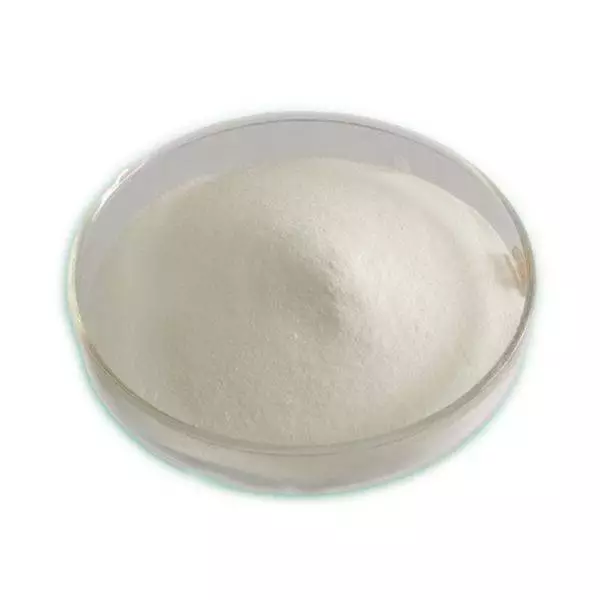
D-Calcium Pantothenate (Vitamin B5)
Found this useful?