China Approves Nouryon Plant-Based Pharmaceutical Excipient Cekol CMC-Na
Chinese regulators recently approved the plant-based pharmaceutical excipient Cekol CMC-Na from Nouryon for domestic drug manufacturing. This regulatory clearance opens direct supply channels into the massive Chinese pharmaceutical production market. The approval marks a significant shift in the global excipient supply chain landscape. Procurement managers and chemical traders must now adapt their sourcing strategies to leverage this new market access. The integration of high-quality plant-based ingredients into Chinese formulations requires precise supply chain coordination. Manufacturers will seek reliable partners to secure consistent volumes of this critical raw material. Sourcing strategies must evolve to match the growing demand for sustainable and compliant pharmaceutical ingredients. This development creates immediate opportunities for global suppliers to expand their regional footprint. International chemical traders can now position themselves as primary partners for major Chinese pharmaceutical manufacturers.
Regulatory Approval of Cekol CMC-Na in China
Chinese regulatory authorities granted formal approval for Nouryon to supply Cekol CMC-Na for pharmaceutical use. This decision validates the stringent quality and safety standards of the plant-based excipient. The clearance removes previous import barriers for this specific chemical grade in the region.
Pharmaceutical manufacturers in China can now legally incorporate this ingredient into their drug formulations. This regulatory milestone accelerates the adoption of advanced excipients in the domestic market. Buyers will benefit from a broader selection of compliant raw materials for their production lines.
The National Medical Products Administration oversees this rigorous evaluation process. Suppliers must demonstrate consistent manufacturing practices and provide extensive stability data. This thorough vetting ensures that only the highest quality materials enter the Chinese pharmaceutical supply chain.
Market Impact on China’s Pharmaceutical Production
China represents one of the largest pharmaceutical manufacturing hubs globally. The introduction of approved plant-based excipients directly supports the industry's modernization goals. Domestic drug producers require reliable access to high-quality formulation aids to compete internationally.
Cekol CMC-Na serves as a critical binding and thickening agent in solid oral dosage forms. Its plant-based origin aligns with the growing industry preference for sustainable raw materials. This approval positions Nouryon to capture a larger share of the Chinese excipient market.
Procurement teams will actively seek to qualify this new supplier option. Integrating a globally recognized brand into local supply chains enhances overall product reliability. This move also pressures local excipient manufacturers to elevate their own quality standards to remain competitive.
Key Applications of CMC-Na in Drug Formulations
Carboxymethyl cellulose sodium functions as a versatile excipient across multiple drug delivery systems. Its primary role involves acting as a binder and disintegrant in tablet manufacturing. The chemical ensures uniform drug release and maintains tablet structural integrity during storage.
Binder properties help cohesive powder compaction during the tablet compression process. This prevents tablet crumbling and ensures consistent dosage delivery to the patient.
Viscosity modification allows precise control over liquid suspension formulations. This prevents active ingredient settling and guarantees uniform dosing in oral syrups.
Film coating applications utilize CMC-Na to protect sensitive active ingredients from moisture. This extends the overall shelf life of the final pharmaceutical product significantly.
Controlled release matrices rely on this polymer to regulate drug dissolution rates. This enables once-daily dosing regimens that improve patient compliance and therapeutic outcomes.
Supply Chain Advantages of Plant-Based Excipients
Plant-based raw materials offer distinct supply chain advantages over synthetic alternatives. Renewable sourcing reduces dependency on volatile petrochemical markets. This stability appeals to procurement managers seeking long-term pricing predictability for their operations.
Sustainable sourcing aligns with corporate environmental and social governance mandates. Pharmaceutical companies increasingly demand green chemistry solutions from their global suppliers.
Consistent quality profiles reduce batch-to-batch variability in manufacturing. This reliability minimizes production downtime and prevents costly quality control rejections at the facility.
Regulatory acceptance is generally higher for well-documented plant-derived ingredients. This simplifies the submission process for new drug applications across multiple global markets.
Sourcing these materials requires rigorous vendor qualification processes across the entire supply chain. Buyers must evaluate supplier capacity and geographic stability thoroughly before signing contracts. Long-term supply agreements help secure consistent pricing and guaranteed material allocation during peak demand.
Sourcing Challenges and Procurement Strategies
Importing specialized pharmaceutical excipients into China requires meticulous documentation and planning. Buyers must verify that all shipments include valid certificates of analysis and origin. Customs clearance processes demand strict adherence to local regulatory formatting and labeling requirements.
Procurement professionals should establish direct relationships with authorized regional distributors. This strategy bypasses intermediary markups and ensures authentic product delivery to the manufacturing site. Long-term supply agreements provide protection against sudden market price fluctuations and currency volatility.
Humidity control during transit is another critical factor for cellulose derivatives. Moisture ingress can alter the flow properties and viscosity of the excipient before it reaches the production floor. Buyers must specify appropriate packaging standards such as moisture-barrier liners in their purchase orders.
Inventory management becomes critical when relying on international supply routes. Buyers must calculate accurate lead times to maintain optimal safety stock levels at all times. Diversifying supplier portfolios further mitigates the risk of unexpected logistical disruptions or port congestion.
Quality Assurance and Compliance Requirements
Pharmaceutical manufacturers must enforce rigorous quality assurance protocols for all excipients. Regulatory agencies demand complete traceability for every raw material batch entering the facility. Suppliers must provide comprehensive documentation proving adherence to international pharmacopeial standards.
Any deviation in excipient purity can compromise the entire drug formulation immediately. Procurement teams must prioritize suppliers with transparent auditing processes and proven compliance records. Building trust with chemical traders facilitates smoother regulatory inspections and faster batch releases.
Continuous monitoring of supplier performance remains a non-negotiable industry requirement. Quality agreements should clearly define acceptable limits for residual solvents and heavy metals. This proactive approach prevents costly batch rejections and unexpected production halts at the manufacturing site.
Auditing supplier facilities provides direct visibility into their operational capabilities and hygiene standards. Procurement teams should request recent audit reports and corrective action plans from potential vendors. This diligence ensures alignment with internal quality management systems and international pharmacopeial standards.
Future Outlook for the Chinese Excipient Market
The approval of Cekol CMC-Na signals a broader trend toward premium excipient adoption in China. Domestic manufacturers are increasingly prioritizing quality over mere cost reduction in their sourcing decisions. This shift creates lucrative opportunities for international chemical suppliers to expand their operations.
The market will likely see increased competition among global excipient providers in the coming years. Companies that offer superior technical support and reliable logistics will gain a distinct competitive advantage. Procurement leaders must stay informed about evolving regulatory landscapes to maintain market access.
Investment in local warehousing and distribution networks will become essential for market leaders. Proactive capacity planning ensures uninterrupted access to critical manufacturing inputs for all clients. The Chinese pharmaceutical sector will continue to drive global excipient demand for the foreseeable future.
What Procurement Teams Need to Know
Procurement leaders must act swiftly to integrate this newly approved excipient into their sourcing strategies. Building strong relationships with qualified chemical suppliers is paramount for operational success. Teams should conduct regular risk assessments on their current supply networks to identify vulnerabilities.
Investing in supplier development programs yields long-term stability and significant cost advantages. Early preparation ensures uninterrupted access to critical manufacturing inputs as clinical and commercial demands grow. Cross-functional collaboration between procurement and quality assurance is essential for maintaining strict compliance.
Aligned teams can respond faster to supply chain disruptions and regulatory changes. This unity drives overall operational excellence in modern pharmaceutical manufacturing. Ready to source Sodium Carboxyl Methyl Cellulose from verified global suppliers? Explore competitive offers on our platform today.
Source:
https://chemxplore.com/news/nouryon-plant-based-pharmaceutical-ingredient-china
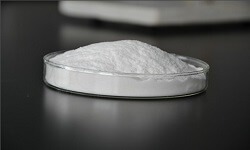
Sodium Carboxyl Methyl Cellulose
Found this useful?