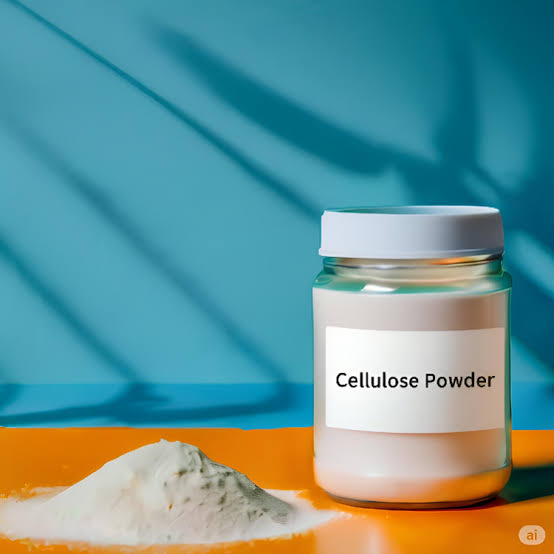
China Approves Nouryon’s Cekol CMC-Na for Pharmaceutical Manufacturing
China’s approval of Nouryon’s Cekol CMC-Na marks an important development for pharmaceutical excipient suppliers seeking access to the country’s extensive drug manufacturing sector. The regulatory clearance gives the specialty chemicals producer an opportunity to supply a plant-based, water-soluble ingredient to Chinese pharmaceutical manufacturers.
Cekol CMC-Na is a grade of sodium carboxymethyl cellulose, commonly abbreviated as CMC-Na. It performs several essential functions in drug formulations, including binding ingredients, controlling viscosity and stabilizing products that contain suspended active pharmaceutical ingredients.
For chemical traders, procurement managers and pharmaceutical ingredient buyers, this development highlights the commercial importance of regulatory access, dependable manufacturing standards and specialized excipient portfolios. It also demonstrates how established specialty chemical suppliers can expand their reach by securing the approvals needed to serve regulated pharmaceutical markets.
China’s Approval Creates a New Market Opportunity for Nouryon
Nouryon has received clearance under China's National Medical Products Administration (NMPA) framework to supply Cekol CMC-Na for pharmaceutical manufacturing. The company produces the material at its Good Manufacturing Practice (GMP)-certified facility in Finland.
This development gives Nouryon a pathway to supply an additional customer base in China, where pharmaceutical manufacturers require functional ingredients that meet demanding quality and regulatory requirements. The approval also strengthens the commercial position of a product that already serves pharmaceutical customers in other markets.
China's pharmaceutical manufacturing sector creates opportunities across a broad network of ingredient suppliers, formulation specialists and distributors. Gaining regulatory clearance can help an excipient manufacturer compete for business with drug producers that need consistent material quality and dependable supply arrangements.
For international traders, the development offers a useful signal about the importance of market-specific regulatory acceptance. A product's technical suitability alone may not be enough to secure a pharmaceutical supply contract if the relevant registration and documentation requirements remain incomplete.
What Is Cekol CMC-Na and Why Does It Matter?
Sodium carboxymethyl cellulose is a water-soluble polymer derived from cellulose, a structural material found in plant cell walls. Chemical modification gives the material properties that make it useful in pharmaceutical formulations, including its ability to control thickness, retain water and form films.
Cekol CMC-Na belongs to this category of functional excipients. An excipient is an ingredient that supports the formulation, stability, handling or delivery of a medicine rather than serving as its primary therapeutic active ingredient.
Manufacturers select CMC-Na according to the needs of the finished dosage form. Its performance depends on factors such as viscosity, concentration, compatibility with other ingredients and the conditions under which the formulation is processed.
The material's main functions include:
Binding: CMC-Na can help hold tablet ingredients together, supporting the formation of consistent solid dosage forms.
Thickening: It increases the viscosity of suitable liquid formulations, helping manufacturers achieve the required flow and handling characteristics.
Stabilization: It can help maintain the even distribution of suspended ingredients, supporting formulation uniformity.
Film formation: Its film-forming properties make it useful in selected coating and topical formulation applications.
Release control: In appropriate formulations, it can help influence how active ingredients become available from the dosage form.
These functions make pharmaceutical-grade CMC-Na a specialized ingredient rather than a simple commodity powder. Buyers must evaluate its performance against the requirements of the intended medicine.
Applications Across Pharmaceutical Formulations
The commercial value of CMC-Na comes from its versatility across different pharmaceutical products. Formulators can use its water-soluble polymer structure to address challenges involving consistency, suspension stability and application characteristics.
In tablet manufacturing, CMC-Na can serve as a binder that supports the physical integrity of the finished product. The appropriate grade and concentration depend on the tablet formulation, processing method and desired performance.
Liquid medicines offer another important application. In syrups and suspensions, CMC-Na can help control viscosity and keep ingredients distributed throughout the formulation, reducing the risk of uneven dosing when the product is prepared and used correctly.
Other applications include tablet coatings, eye drops and gels. In topical products, the polymer can contribute to the texture and consistency required for practical application, while selected formulations can use its properties to influence the release of active ingredients.
Why Plant-Based Excipients Matter to Pharmaceutical Buyers
Nouryon's Cekol CMC-Na provides a plant-based option for pharmaceutical manufacturers evaluating excipient choices. Its cellulose origin can appeal to companies seeking materials derived from renewable feedstocks, although the suitability of any ingredient depends on its technical performance and the requirements of the finished medicine.
The growing attention to ingredient origin gives procurement teams another factor to consider when comparing pharmaceutical raw materials. However, buyers must distinguish between a plant-based starting material and the full environmental profile of a manufactured product.
For sourcing teams, a useful evaluation should cover several areas:
Formulation compatibility: Buyers should confirm that the selected grade performs reliably with the active ingredient and other excipients in the formulation.
Quality consistency: Manufacturers need repeatable specifications so that variations in viscosity, purity or other characteristics do not disrupt production.
Traceability: Documentation should identify the manufacturing site, batch details and applicable quality controls.
Supply reliability: Procurement teams should assess production capacity, delivery lead times and the supplier's ability to support recurring orders.
Environmental considerations: Companies can request information about feedstock origin, manufacturing practices and relevant sustainability documentation.
Plant-based positioning can support a product's commercial appeal, but it does not automatically establish that one excipient performs better than every synthetic alternative. Technical evidence and product-specific testing remain central to purchasing decisions.
GMP Manufacturing and Quality Requirements
Pharmaceutical excipients require stronger quality oversight than many conventional industrial chemicals because their properties can influence the safety, consistency and performance of finished medicines. Manufacturers therefore need to assess both the ingredient itself and the controls used to produce it.
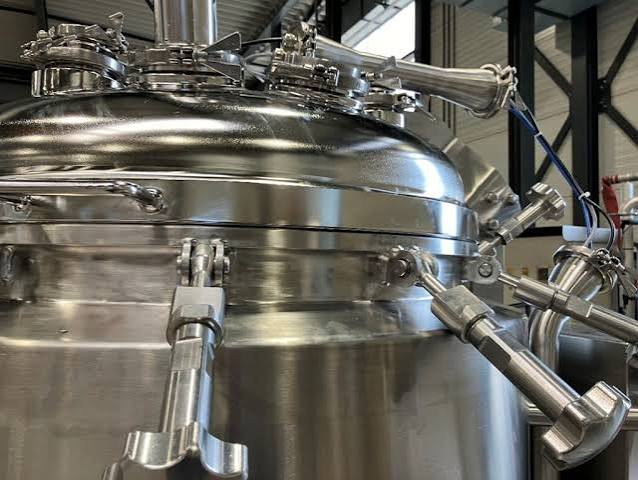
Nouryon manufactures Cekol CMC-Na at a GMP-certified facility in Finland. This manufacturing foundation is relevant to buyers who need documented quality systems and traceable material supplies for regulated pharmaceutical production.
China's regulatory framework also places responsibility on pharmaceutical companies to manage the quality of the excipients they use. Its National Medical Products Administration has issued requirements addressing quality management, supplier evaluation, batch testing and the control of manufacturing changes for pharmaceutical excipients.
Procurement teams should examine the documentation associated with each proposed supply arrangement. Depending on the intended application and applicable requirements, the review may include:
A current certificate of analysis for each supplied batch.
Product specifications covering relevant physical and chemical properties.
Information on the manufacturing site and applicable quality certifications.
Traceability records and procedures for managing deviations or product changes.
Supporting documentation for regulatory submissions and internal supplier qualification.
The exact requirements vary by product and application. Buyers should confirm that the grade they purchase matches the approved material and that the supplier can provide the records required by their quality assurance teams.
How the Approval Could Affect Pharmaceutical Supply Chains
Regulatory clearance can change the commercial options available to pharmaceutical manufacturers by allowing them to consider a supplier that previously lacked the necessary market access. For Nouryon, the approval creates an opportunity to develop customer relationships with Chinese drugmakers seeking pharmaceutical-grade CMC-Na.
The practical impact will depend on customer qualification, formulation requirements, purchasing agreements and the supplier's ability to meet delivery schedules. Approval opens a route to the market, but commercial adoption still depends on how effectively the product meets each customer's needs.
International traders and distributors can also play a role in connecting manufacturers with approved ingredients. They may help coordinate purchasing, logistics, documentation and communication between overseas producers and local pharmaceutical customers.
Several supply chain considerations deserve attention:
Supplier qualification: Buyers need to determine whether they can purchase directly from the manufacturer or through an authorized distribution partner.
Import logistics: International shipments require suitable packaging, storage conditions and complete shipping documentation.
Inventory planning: Manufacturers should align safety stock with consumption rates, replenishment lead times and production schedules.
Alternative sourcing: Procurement teams should understand whether qualified alternative grades are available if supply disruptions occur.
Change management: Any change in grade, source or manufacturing details should follow the customer's quality procedures and applicable regulatory requirements.
For buyers, the main opportunity lies in expanding their qualified supplier options without compromising product quality. Procurement teams should evaluate commercial terms alongside technical compatibility, documentation and delivery reliability.
Competitive Factors in the Pharmaceutical Excipient Market
CMC-Na operates within a broader market for pharmaceutical excipients, where suppliers compete on product consistency, technical support, manufacturing quality and the ability to meet customer requirements. Price remains important, but buyers cannot assess value through unit cost alone.
A lower-priced material may create additional expenses if it requires formulation adjustments, more testing or changes to established production processes. By contrast, a well-matched excipient can support consistent manufacturing and reduce the risk of avoidable disruptions.
Cekol CMC-Na's approval in China gives Nouryon a stronger opportunity to compete for relevant pharmaceutical applications in that market. Its established manufacturing base and specialized product positioning may appeal to customers that prioritize documented quality and a reliable supply relationship.
Procurement professionals should compare offers using a consistent set of criteria:
Delivered cost: Include the product price, freight, insurance, import charges and handling expenses.
Technical suitability: Assess viscosity, purity and other grade-specific parameters against the formulation specification.
Quality documentation: Compare the completeness and relevance of supplier records.
Supply performance: Review lead times, order flexibility and the supplier's ability to support forecast demand.
Technical service: Consider the supplier's ability to address formulation questions and investigate quality issues.
A structured comparison helps purchasing teams avoid choosing a material based solely on its quoted price. It also supports clearer discussions with suppliers about the requirements that matter most to the finished pharmaceutical product.
What Pharmaceutical Procurement Teams Should Do Next
China's approval of Cekol CMC-Na creates a relevant sourcing development for pharmaceutical manufacturers that use sodium carboxymethyl cellulose. Buyers should treat it as an opportunity to review their supplier options and identify where the product could fit within their existing formulation and purchasing strategies.
Before placing an order, procurement and quality teams should coordinate their assessment. This reduces the risk of selecting a commercially attractive ingredient that does not meet the technical or regulatory requirements of the intended application.
A practical purchasing process should include the following steps:
1. Define the application. Identify whether the material is intended for tablets, syrups, suspensions, coatings, eye drops or gels, then establish the required grade and specifications.
2. Request technical documents. Obtain the current product specification, certificate of analysis format and relevant quality documentation directly from the supplier or authorized distributor.
3. Confirm regulatory suitability. Verify that the proposed grade, source and manufacturing details meet the requirements applicable to the specific medicine and market.
4. Evaluate supply terms. Compare minimum order quantities, lead times, payment conditions, shipping arrangements and forecast commitments.
5. Complete internal qualification. Coordinate technical assessment, quality approval and any required formulation testing before introducing the material into commercial production.
This approach allows procurement managers to assess the full commercial value of a new supplier option. It also helps traders understand what pharmaceutical customers expect beyond a competitive quotation.
The Outlook for Plant-Based Pharmaceutical Excipients
Nouryon's Cekol CMC-Na approval illustrates how regulatory access can create new opportunities for specialty chemical suppliers in pharmaceutical markets. For China-focused sourcing teams, the development adds another potential supply option for a functional ingredient used across several dosage forms.
The broader opportunity for plant-based excipients will depend on product performance, quality consistency, customer qualification and the ability of manufacturers to meet market-specific requirements. Ingredient origin may influence purchasing preferences, but dependable technical performance and compliance remain essential.
For chemical distributors and international buyers, the key lesson is to combine market awareness with disciplined supplier evaluation. Understanding regulatory developments early can help businesses identify potential sourcing opportunities, prepare qualification documents and engage suppliers before purchasing needs become urgent.
Cekol CMC-Na is a specific pharmaceutical-grade product, so buyers should not assume that every sodium carboxymethyl cellulose grade is interchangeable. Matching the material to the intended application, confirming documentation and agreeing on reliable supply terms will remain central to successful procurement.
Sodium Carboxyl Methyl Cellulose
Found this useful?