China Chemical Watch: How Self-Sufficiency Is Reshaping Global Chemical Trade
China's chemical industry is undergoing one of the most significant structural transformations in its history. Rather than responding to short-term market disruptions, the country is pursuing a long-term strategy to strengthen domestic production across key petrochemical and specialty chemical value chains.
Capacity expansion in products such as polyethylene (PE), polypropylene (PP), ethylene glycol (EG), and paraxylene (PX) reflects a broader objective of reducing import dependence while supporting domestic manufacturing. For global chemical producers, distributors, and procurement professionals, understanding this structural shift is becoming increasingly important for long-term sourcing and investment decisions.

China's Self-Sufficiency Strategy
China's self-sufficiency initiative focuses on expanding domestic production of strategic chemical products that support industries including packaging, automotive, electronics, construction, textiles, and consumer goods.
The strategy is built around several priorities:
Expanding integrated refining and petrochemical complexes
Increasing production of key feedstocks
Reducing reliance on imported commodity chemicals
Strengthening downstream manufacturing
Improving supply chain resilience
Supporting advanced manufacturing sectors
Unlike temporary market adjustments, these investments are designed to influence global trade patterns over the next decade.
Chemical Categories Making the Greatest Progress
Several chemical sectors have seen substantial capacity additions over recent years.
Polyethylene (PE)
China has significantly increased polyethylene production through large integrated petrochemical projects.
Key developments include:
New world-scale production facilities
Greater feedstock integration
Improved domestic supply capability
Reduced dependence on imported resin
Although imports remain necessary for some grades, domestic production now satisfies a much larger share of overall demand than in previous years..
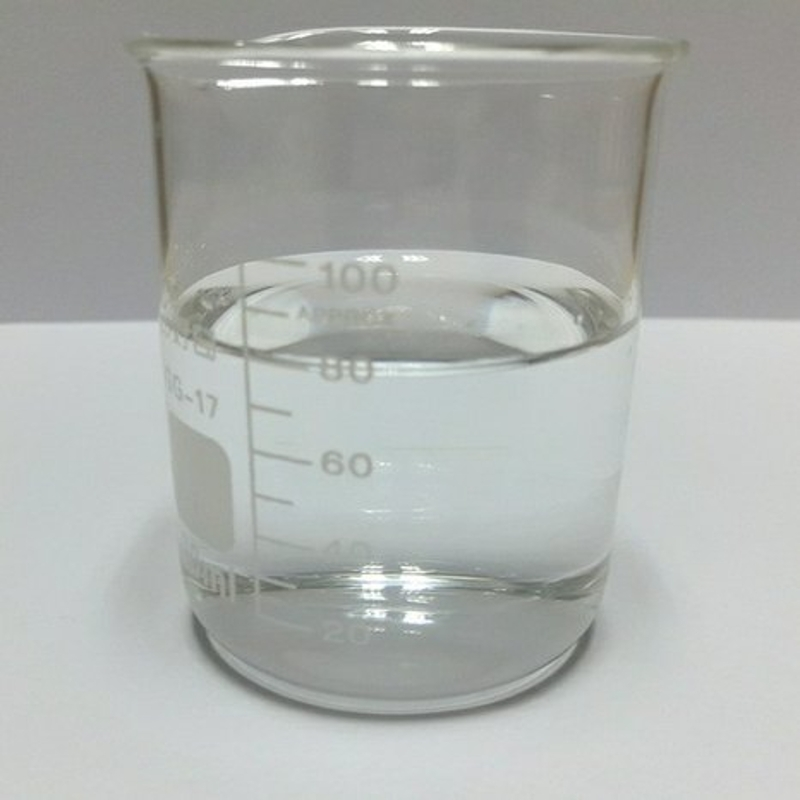
Polyethylene Glycol - Taiwan
Polypropylene (PP)
Polypropylene capacity expansion has been one of China's major industrial priorities.
Applications include:
Automotive components
Consumer packaging
Household products
Medical equipment
Industrial manufacturing
Growing domestic production has increased competition within regional markets while reducing import requirements for many standard grades
Ethylene Glycol (EG)
Ethylene glycol remains essential for:
Polyester fibers
PET packaging
Textile manufacturing
Industrial chemicals
China has expanded both conventional and coal-based production technologies to improve domestic supply.
While imports continue for certain market segments, overall self-sufficiency has improved considerably.
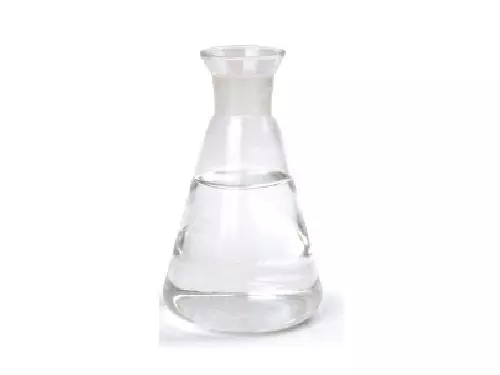
Diethylene Glycol
Paraxylene (PX)
Paraxylene supports polyester production and remains a strategic petrochemical intermediate.
Large refining and petrochemical integration projects have expanded domestic PX capacity, reducing reliance on imported material while strengthening China's polyester value chain.
Areas That Still Depend on Imports
Despite significant progress, complete self-sufficiency has not been achieved across every chemical category.
Some areas continue to rely on international suppliers because of:
Specialized production technologies
Intellectual property requirements
High-purity specifications
Limited domestic manufacturing capacity
Strong demand growth
Examples may include:
Certain electronic chemicals
High-performance engineering polymers
Advanced specialty additives
Selected pharmaceutical intermediates
Premium performance materials
These sectors continue presenting opportunities for international chemical producers with specialized technologies and high-value products.
What This Means for Global Trade
China's growing production capacity is gradually reshaping international chemical trade flows.
Potential long-term impacts include:
Changing Import Patterns
As domestic production expands, import demand for some commodity chemicals may gradually decline.
Increased Export Opportunities
Higher production capacity may enable Chinese manufacturers to increase exports in selected product categories, depending on market conditions and regional demand.
Greater Regional Competition
Producers across Asia and other exporting regions may face stronger competition in commodity chemical markets.
Supply Chain Diversification
Global buyers may gain access to additional sourcing options as production capacity expands.
Implications for Procurement Teams
Procurement professionals should monitor China's capacity expansion as part of broader market intelligence rather than focusing only on short-term pricing.
Important considerations include:
Supplier Diversification
Evaluate suppliers across multiple regions to improve sourcing flexibility.
Capacity Monitoring
Track new production facilities and planned expansions that could affect future market availability.
Contract Strategy
Maintain flexible purchasing agreements where possible to respond to changing market conditions.
Market Intelligence
Monitor production utilization, export activity, feedstock availability, and downstream demand alongside broader economic indicators.
Opportunities for Chemical Manufacturers
China's self-sufficiency strategy also creates opportunities for global chemical companies.
Potential areas include:
Technology licensing
Specialty chemical partnerships
Advanced materials
Sustainable chemistry
High-performance additives
Process optimization solutions
While competition may increase in commodity chemicals, demand for innovation and specialized products is expected to remain strong.
Long-Term Outlook
China's chemical industry is expected to continue investing in production efficiency, downstream integration, digital manufacturing, and sustainability initiatives.
Future development is likely to focus on:
Higher-value specialty chemicals
Advanced materials
Green chemistry
Circular economy technologies
Low-carbon manufacturing
Digital production systems
For international procurement teams, understanding these structural developments will become increasingly important as global chemical trade continues evolving.
Key Takeaways
China's chemical self-sufficiency strategy is a long-term structural transformation rather than a short-term market response.
Polyethylene, polypropylene, ethylene glycol, and paraxylene have seen major domestic capacity expansion.
Some high-value specialty chemicals and advanced materials still rely on imports, creating opportunities for global suppliers.
Procurement teams should monitor production capacity, export trends, and supplier diversification rather than focusing solely on price movements.
Long-term sourcing strategies should balance regional competition with supply chain resilience and flexibility.
Found this useful?