China's Anti-Involution Policy Meets a New Capacity Wave
China's petrochemical industry is entering a complicated phase. Beijing is pushing an anti-involution agenda aimed at reducing destructive price competition and inefficient industrial expansion, yet another major wave of ethylene capacity is still moving through the country's production system.
An additional 7 to 8 million tonnes per year of ethylene capacity is expected to come online across China. For ASEAN producers, the concern is straightforward: more Chinese ethylene and downstream derivatives could intensify regional competition, pressure margins and increase China's influence over Asian petrochemical trade flows.
China's Ethylene Expansion Is Not Over
China has spent years transforming itself from a major petrochemical importer into one of the world's largest sources of new production capacity. Large integrated refining and petrochemical complexes have added ethylene, propylene, polyethylene, polypropylene and other derivatives at a scale capable of changing regional supply balances.
The next 7 to 8 Mtpa of ethylene capacity adds another substantial increment to that transformation. The impact will extend beyond ethylene itself because new crackers generally support integrated downstream chains that convert feedstock into higher-value polymers and chemical intermediates.
For buyers, additional capacity can create more sourcing options and potentially improve availability. For producers, however, the same expansion can intensify competition at a time when operating rates and margins are already under pressure.
What China's Anti-Involution Policy Is Trying to Change
The term "anti-involution" has become increasingly important in China's industrial policy discussions. In the petrochemical sector, the concept broadly relates to reducing excessive internal competition, low-return investment and capacity expansion that generates output faster than sustainable demand.
The policy direction creates an apparent contradiction with China's continuing petrochemical capacity additions. Existing projects do not disappear simply because policy priorities change, and projects already under construction can continue toward commissioning.
This creates an important distinction for market participants. Anti-involution policy may influence future investment decisions and encourage more disciplined capacity growth, but it does not immediately remove capacity already approved, financed or under construction.
The result could be a period in which China's existing expansion wave continues to increase supply even as policymakers attempt to improve the economics of the industries producing it.
Why Ethylene Capacity Matters Beyond China
Ethylene sits at the center of a large petrochemical value chain. It is used to produce polyethylene, ethylene oxide, ethylene glycol and other derivatives that feed packaging, construction, automotive, textiles and consumer products.
When China adds millions of tonnes of new ethylene capacity, the impact can therefore spread through multiple product markets. Additional domestic production can reduce China's dependence on imports while increasing the availability of Chinese-origin derivatives for export.
That matters for ASEAN producers because several Southeast Asian markets have traditionally relied on regional trade and imported feedstocks. New Chinese production can compete for customers in the same markets, particularly when Chinese producers have access to integrated refinery and petrochemical complexes.
ASEAN Crackers Face a More Difficult Margin Environment
ASEAN's petrochemical industry already operates in a highly competitive Asian market. Producers in Singapore, Thailand, Malaysia, Indonesia and other regional markets must compete with Middle Eastern suppliers as well as rapidly expanding Chinese capacity.
New Chinese ethylene production adds another source of competitive pressure. If domestic Chinese demand cannot absorb all additional output, producers may have stronger incentives to export ethylene derivatives into nearby markets.
The pressure is not necessarily limited to direct ethylene sales. Polyethylene and other downstream products can enter ASEAN markets and compete with locally produced material.
For older crackers with higher feedstock or operating costs, this can become particularly challenging. A newer integrated Chinese complex may benefit from scale, modern equipment and downstream integration, allowing it to remain competitive even when regional margins weaken.
Integrated Complexes Change the Competitive Equation
One reason China's capacity wave matters so much is the scale and integration of many new projects.
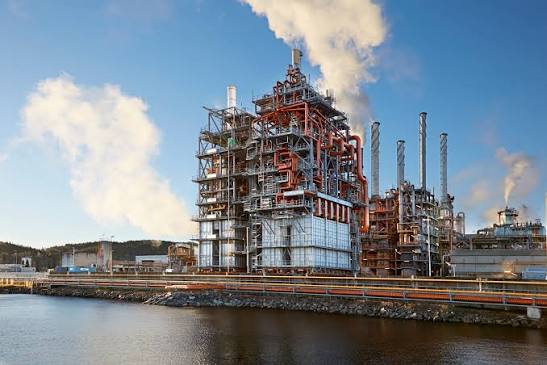
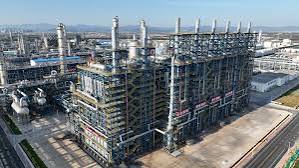
A modern petrochemical complex can combine refining, steam cracking and downstream polymer production within one site. This can improve feedstock flexibility, reduce logistics costs between production units and allow producers to capture value across multiple parts of the chemical chain.
ASEAN producers with older standalone crackers may not have the same structural advantages.
The competitive gap becomes more visible when margins decline. During strong markets, older facilities can remain profitable because high product prices support a broad producer base. During oversupply, however, cost differences become much more important.
Feedstock Economics Still Matter
Capacity alone does not determine competitiveness. Feedstock availability and cost remain fundamental.
China's crackers use a mix of naphtha, LPG and other feedstocks, while some newer integrated complexes can benefit from refinery integration and flexible feedstock strategies. ASEAN producers have their own advantages and disadvantages depending on access to naphtha, gas and regional supply infrastructure.
When crude oil and naphtha prices change, the relative competitiveness of different crackers can shift rapidly.
This means buyers should not assume that every new tonne of Chinese capacity will automatically translate into lower regional prices. The impact depends on operating rates, feedstock costs, domestic demand, export economics and downstream margins.
What ASEAN Producers Can Do
ASEAN crackers cannot compete solely by adding more commodity capacity. The increasing scale of Chinese investment makes differentiation and cost competitiveness increasingly important.
Producers can focus on higher-value grades, specialty polymers, integrated downstream products and more flexible production strategies. Long-term feedstock agreements and energy efficiency can also improve resilience when commodity margins deteriorate.
Some facilities may also need to reconsider operating rates. Running at maximum utilization is not always economically optimal when additional output pushes regional prices below sustainable production margins.
For older assets, the strategic question may increasingly become whether to upgrade, integrate, specialize or eventually retire capacity.
What Chemical Buyers Should Watch
For procurement teams, China's capacity expansion creates both opportunities and risks.
More regional supply can improve availability and increase competition among sellers. Buyers may gain greater leverage in contract negotiations, especially for commodity polymers linked to ethylene.
However, aggressive export competition can also create greater price volatility. Producers may cut operating rates when margins collapse, potentially reversing an apparent supply surplus.
Key indicators to monitor include:
New Chinese ethylene units reaching commercial operation
Chinese cracker operating rates
Polyethylene production and export volumes
ASEAN cracker utilization rates
Naphtha and crude oil prices
Ethylene and polyethylene spreads
Chinese domestic demand
Regional polymer import flows
New capacity announcements versus actual commissioning
The difference between announced capacity and operating capacity is particularly important. Markets respond to actual production, not simply project headlines.
The Next Test for China's Petrochemical Strategy
China's anti-involution campaign will face an important test as this new capacity wave arrives. If policymakers succeed in discouraging inefficient future investment while allowing existing projects to operate, the market could eventually move toward more disciplined capacity growth.
But the transition may be uncomfortable.
The 7 to 8 Mtpa of additional ethylene capacity represents a significant increase in regional supply potential. Until demand catches up or weaker producers reduce operating rates, ASEAN crackers are likely to face continued pressure from China's expanding petrochemical base.
For buyers, this environment could create attractive sourcing opportunities. For producers, it will make cost position, integration and product differentiation more important than ever.
The Bottom Line for Asian Petrochemical Buyers
China's anti-involution policy does not immediately erase the capacity already entering the market. The next 7 to 8 Mtpa of ethylene capacity could therefore arrive at the same time policymakers are trying to make China's industrial system more disciplined and profitable.
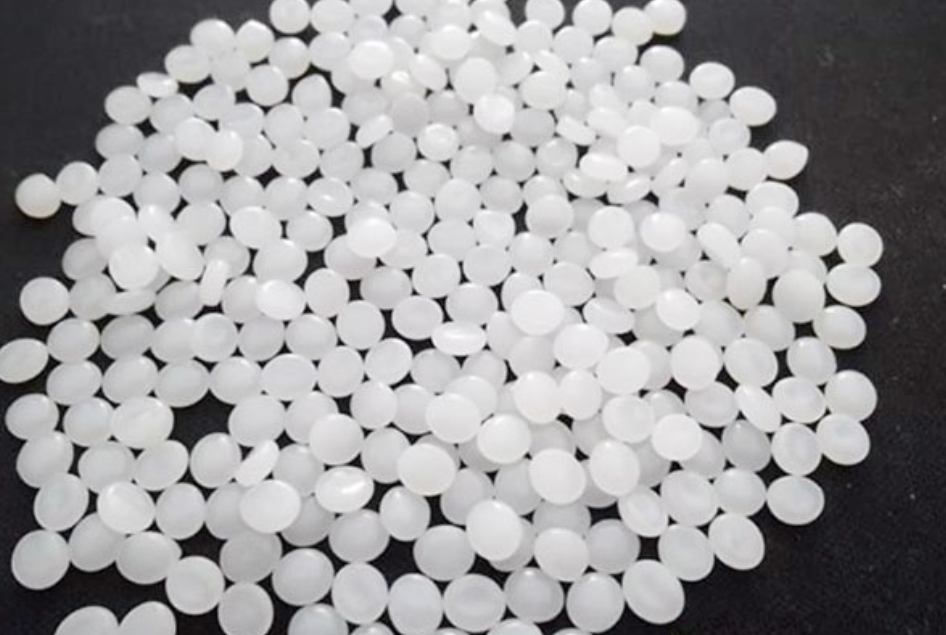
High Density Polyethylene (HDPE)
Found this useful?