China's Chemical Export Machine Faces a Post-Peace-Deal Reality Check
China's Chemical Export Machine Faces a Post-Peace-Deal Reality Check
Introduction
For years, China's chemical industry has maintained its position as the world's largest exporter of industrial chemicals, supplying essential raw materials to manufacturers across Asia, Europe, the Middle East, and the Americas. Competitive production costs, large-scale manufacturing capacity, and an extensive export network have made China a critical supplier for global chemical procurement.
However, a changing geopolitical landscape and the possibility of renewed international stability following major peace agreements are prompting companies to reassess long-term sourcing strategies. As trade routes normalize and market conditions evolve, China's export dominance could face increased competition from emerging manufacturing hubs and regional suppliers.
For procurement professionals, the post-peace-deal environment presents both opportunities and challenges that will shape global chemical sourcing over the coming years.
How Geopolitical Tensions Strengthened China's Export Position
During periods of geopolitical uncertainty, many global manufacturers relied heavily on Chinese suppliers due to their ability to maintain consistent production and large export volumes.
Several factors reinforced China's position:
Massive integrated chemical manufacturing infrastructure.
Competitive production costs supported by economies of scale.
Strong government investment in industrial development.
Efficient logistics and export capabilities.
Broad product portfolio covering commodity and specialty chemicals.
These advantages allowed China to remain a preferred sourcing destination even as global supply chains experienced disruptions.
What Changes After a Peace Deal?
If geopolitical tensions continue to ease and international trade routes become more stable, the competitive landscape for chemical exports could change significantly.
Potential developments include:
Lower shipping risks across major trade corridors.
Improved market access for competing exporting nations.
Increased investment in regional chemical manufacturing.
Reduced freight premiums on international shipments.
Greater supplier diversification by multinational buyers.
Rather than relying on a single sourcing destination, procurement teams may increasingly adopt multi-country sourcing strategies to improve resilience and reduce supply chain risk.
New Competitors Could Gain Market Share
As global trade stabilizes, several countries are well-positioned to strengthen their presence in international chemical markets.
India
India continues expanding its specialty chemical manufacturing capacity while attracting significant domestic and foreign investment. Competitive labor costs and supportive government initiatives make it an increasingly attractive sourcing destination.
Vietnam
Vietnam is strengthening its manufacturing sector through industrial investment and improved export infrastructure, making it a growing participant in regional supply chains.
Saudi Arabia
Supported by abundant petrochemical feedstocks and large-scale industrial investments, Saudi Arabia remains a leading producer of petrochemicals and basic chemicals for global markets.
ASEAN Manufacturing Hubs
Countries across Southeast Asia continue attracting manufacturers seeking diversified production locations and reduced geopolitical exposure.
What This Means for Chemical Buyers
The changing global environment creates new opportunities for procurement teams to optimize sourcing strategies.
Key considerations include:
Diversify Supplier Networks
Reducing dependence on a single country can improve supply continuity and minimize geopolitical risk.
Evaluate Total Landed Cost
Procurement decisions should consider freight, duties, insurance, inventory costs, and supplier reliability—not just product pricing.
Strengthen Supplier Qualification
As more suppliers enter the market, rigorous supplier verification and performance monitoring become increasingly important.
Monitor Regional Capacity Expansion
New chemical production facilities in emerging markets may offer additional sourcing opportunities over the coming years.
Challenges China Still Faces
Although China remains a global manufacturing leader, several factors could affect future export growth:
Rising labor and operating costs.
Increasing environmental compliance requirements.
Greater competition from regional manufacturers.
Shifting customer preferences toward diversified sourcing.
Trade policy uncertainty in key export markets.
Despite these challenges, China's manufacturing scale, technical expertise, and integrated supply chains will continue to make it one of the world's most important chemical suppliers.
Procurement Strategies for a Changing Market
Organizations should prepare for a more competitive global sourcing environment by:
Expanding approved supplier lists across multiple regions.
Using market intelligence to monitor pricing trends.
Negotiating flexible supply agreements.
Investing in digital procurement platforms for supplier visibility.
Regularly assessing geopolitical and logistics risks.
Companies that proactively adapt their sourcing strategies will be better positioned to manage cost, availability, and supply chain resilience.
Conclusion
China's chemical export industry is entering a new phase as global trade conditions evolve. While the country's manufacturing strength remains significant, a post-peace-deal environment could encourage greater competition, regional manufacturing growth, and increased supplier diversification.
For procurement leaders, the focus should shift from relying on a single low-cost supplier toward building resilient, diversified supply chains supported by real-time market intelligence and strategic sourcing decisions. Businesses that embrace this balanced approach will be better equipped to navigate future market changes while maintaining cost efficiency and operational stability.
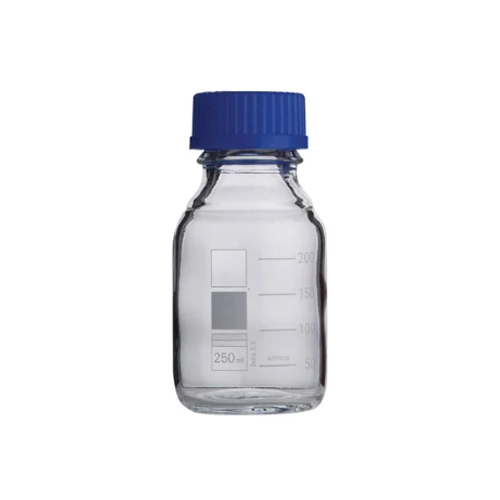
2-Ethylhexyl Acrylate
Found this useful?