China's Cracker Operating Rates Weigh on Regional Propylene Supply Outside the Country
Asian markets for propylene are experiencing a significant shift in supply dynamics driven by operational changes in China. ICIS analysts attribute part of the expected August price increase to lower cracker operating rates and reduced fluid catalytic cracking (FCC) output.
This trend specifically affects supply availability outside China’s domestic borders. Procurement managers in South Korea Japan and Southeast Asia must prepare for tighter conditions. The region relies heavily on cross-border trade flows to balance local production deficits.
When Chinese crackers reduce runs the volume of surplus propylene available for export declines sharply. This contraction removes a critical buffer from the regional market. Buyers who depend on these imports face immediate pressure on availability and pricing.
Traders should anticipate higher spot premiums and stricter allocation policies from exporters. Understanding the link between Chinese operational rates and regional supply is essential for effective planning. The market is moving toward a state of acute tightness that requires proactive management.
How Chinese Cracker Rates Influence Regional Flows
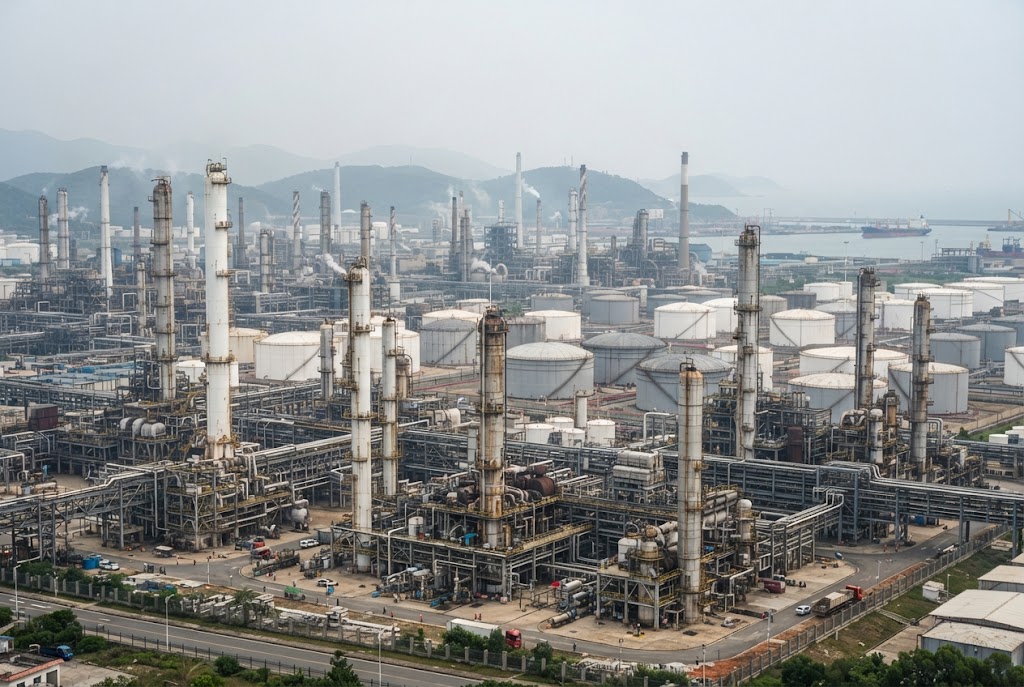
China operates some of the largest steam cracking capacities in the world. These facilities produce massive volumes of propylene as a co-product alongside ethylene. When operating rates are high China often generates a surplus that feeds into neighboring markets.
However recent data shows a notable decline in these operating rates. Maintenance turnarounds and margin pressures have led many producers to scale back production. This reduction directly impacts the volume of propylene available for international trade.
Exporters prioritize domestic contract obligations when supply becomes constrained. This leaves little to no material for the spot market or overseas buyers. The sudden withdrawal of Chinese surplus creates a vacuum in the regional supply chain.
Buyers in import-dependent countries feel this impact most acutely. They must compete for limited volumes from other sources such as the Middle East or domestic producers. This competition drives up prices and extends lead times for critical feedstocks.
The Role of Reduced FCC Output in Supply Tightness
Fluid catalytic cracking units in Chinese refineries are another major source of propylene. These units produce propylene as a byproduct of gasoline manufacturing. Recent declines in FCC output have further exacerbated the supply shortage in the region.
Refineries may be reducing throughput due to weak fuel demand or planned maintenance. This operational adjustment indirectly impacts the chemical sector by limiting co-product availability. The combined effect of lower cracker and FCC rates creates a significant supply deficit.
The interdependence between fuel and chemical markets adds complexity to sourcing strategies. Buyers cannot easily influence refinery schedules to secure more chemical feedstock. This lack of control makes the market particularly vulnerable to upstream disruptions.
Traders must monitor Chinese refinery utilization rates closely to gauge future availability. A sustained decline in FCC output will keep the regional market tight regardless of other factors. Procurement teams need to diversify their supply sources to mitigate this specific risk.
Impact on Markets Outside China
The supply tightness is most severe in markets that rely heavily on Chinese imports. South Korea Japan and various Southeast Asian nations fall into this category. These regions have limited domestic production capacity relative to their downstream demand.
When Chinese exports dwindle these buyers must seek alternative sources quickly. The Middle East and North America become key suppliers during these periods of scarcity. However logistics costs and longer transit times add to the overall burden for importers.
Local producers in these countries may also face pressure to increase output. But many are already operating at near-maximum capacity or undergoing their own maintenance. This leaves little room for additional production to fill the gap left by China.
The resulting supply deficit drives up spot prices across the entire region. Buyers face higher costs for both imported and domestically sourced propylene. Procurement managers must adjust their budgets to account for this sustained price pressure.
Strategic Sourcing Responses for Procurement Teams
Procurement leaders must adopt a multi-pronged approach to manage these supply risks. Building inventory buffers before the peak of the tightness provides a safety net. This strategy helps smooth out short-term disruptions in regular deliveries from China.
Diversifying supply sources across different geographic regions reduces dependence on any single market. Engaging with suppliers in the Middle East or North America can provide access to alternative streams. While logistics costs may be higher this approach ensures continuity of supply.
Negotiating flexible contract terms allows buyers to adjust volumes based on actual market conditions. Clauses that permit volume flexibility or price adjustments can protect companies from extreme volatility. Procurement teams should work closely with legal departments to structure these agreements effectively.
Using digital platforms to monitor real-time market prices and availability is also crucial. This data supports proactive decision-making and allows for timely adjustments to sourcing strategies. Staying informed about Chinese operational trends helps identify potential supply shocks early.
Downstream Implications for Polypropylene Buyers
Propylene is the primary feedstock for polypropylene (PP) used in packaging automotive parts and textiles. A rise in propylene prices directly increases production costs for PP manufacturers. These higher costs are often passed on to converters and end-users in the form of higher resin prices.
Buyers of polypropylene should anticipate price increases in their upcoming contracts. Suppliers may invoke force majeure clauses or reduce allocations if propylene supplies become critically tight. Procurement managers need to communicate with their PP suppliers to understand their exposure.
Some manufacturers may attempt to hedge against rising costs by securing forward contracts. However the limited availability of material makes this strategy difficult to execute effectively. Buyers must balance the need for price security with the risk of non-delivery in a tight market.
The tightness in propylene supply also affects other derivatives like acrylonitrile and propylene oxide. Industries relying on these specialized chemicals may face similar supply challenges. Procurement teams must evaluate their entire bill of materials for potential risks.
What Procurement Teams Should Do Now
Procurement professionals must act quickly to assess their exposure to Chinese supply flows. Contacting current suppliers to discuss their allocation plans and production schedules is a critical first step. Understanding how much volume each supplier can guarantee during this tight period helps in planning inventory needs.
Exploring spot market purchases for immediate needs can bridge gaps until regular supplies stabilize. However buyers should be cautious of volatile spot prices and verify the reliability of new trading partners. Using established platforms with verified suppliers reduces the risk of fraud or non-delivery.
Collaborating with internal production and logistics teams ensures that everyone is aligned on the sourcing strategy. Clear communication prevents misunderstandings and enables a coordinated response to supply challenges. Procurement teams play a vital role in maintaining operational stability during these disruptive periods.
The Bottom Line for Chemical Traders
The decline in Chinese cracker operating rates and FCC output is driving significant tightness in Asian propylene markets. Buyers outside China face expected price rises in August as supply constraints intensify. Traders and procurement managers must adapt their strategies to navigate this challenging period successfully.
Strategic planning inventory buildup and supplier diversification are key to mitigating these risks. Companies that prepare early will be better positioned to maintain production continuity and control costs. The petrochemical market rewards those who anticipate changes and adapt their sourcing strategies accordingly. Ready to source Propylene Oxide from verified global suppliers? Explore competitive offers on our platform today.
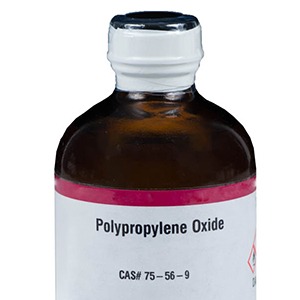
Propylene Oxide
Found this useful?