The recent US-Iran war sent massive shockwaves through global energy markets and severely disrupted Asian petrochemical supply chains. Traders watched maritime chokepoints close and energy prices spike as regional producers scrambled to secure raw materials. South Korea, Japan and Taiwan faced immediate production cuts as their primary feedstock routes choked.
However, China's diversified feedstock slate cushioned its domestic petrochemical production from the worst of this geopolitical crisis. While neighboring economies struggled with severe naphtha and liquefied petroleum gas shortages, Chinese crackers maintained steady operating rates. This structural advantage completely alters the regional supply balance and forces global buyers to rethink their origin strategies.
Procurement managers must understand exactly how this feedstock diversity protects Chinese output. The following sections explore the mechanics behind this strategic shield and what it means for your next polymer contract.
How the US-Iran War Disrupted Asian Petrochemical Supply
The military conflict immediately paralyzed critical maritime transit routes in the Middle East. Tankers carrying essential liquid feedstocks faced severe insurance restrictions and physical blockades that halted loading operations at key export terminals.
This sudden physical shortage rippled across the globe within days. Asian steam crackers rely heavily on a continuous flow of imported energy to keep their furnaces firing and their downstream derivative plants running.
Global energy benchmarks spiked violently as buyers bid aggressively for any remaining accessible cargoes. The massive price inflation completely destroyed the operating margins for traditional naphtha-fed chemical producers.
Shipowners rerouted vessels away from the conflict zone to avoid physical damage and financial penalties. This logistical pivot added weeks to standard transit times and drained strategic inventories at Asian discharge ports.
Why South Korea Japan and Taiwan Faced Severe Production Hits
These three Northeast Asian economies built their massive chemical sectors almost entirely on imported Middle Eastern feedstocks. Their coastal cracker complexes lack deep domestic refining integration and possess zero local fossil fuel reserves.
When the primary shipping lanes closed, these operators faced immediate tank bottom alerts. Management teams had no choice but to slash furnace throughput and declare force majeure on downstream polymer deliveries.
South Korean producers suffered heavily because their specific naphtha contracts locked them into rigid lifting schedules from the conflict zone. They could not easily pivot to alternative origins without paying massive spot market premiums.
Japanese and Taiwanese crackers experienced similar operational paralysis. Their heavy reliance on imported liquefied petroleum gas for propane dehydrogenation units left them completely exposed to the maritime blockade.
The resulting polymer shortages immediately triggered panic buying among local converters. These downstream manufacturers paid massive spot premiums just to secure enough resin to keep their own extrusion lines running.
China's Diversified Feedstock Slate Provides a Strategic Shield
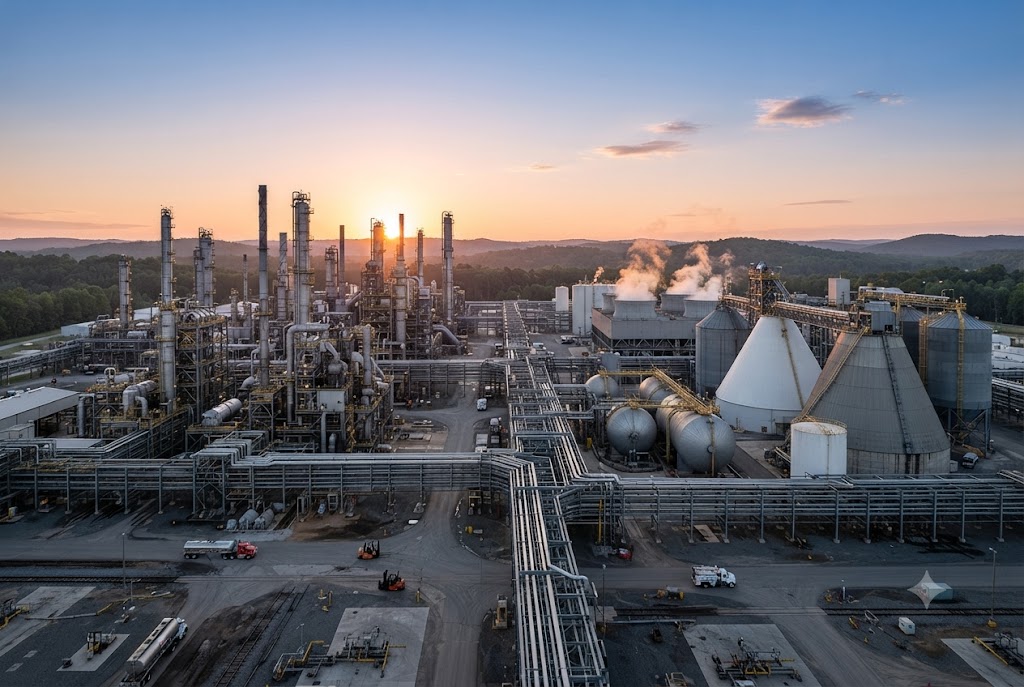
Chinese petrochemical groups spent the last decade aggressively building a highly resilient and varied raw material supply base. This deliberate strategy ensures that no single geopolitical event can completely starve their massive industrial network.
Domestic operators utilize a complex blend of imported naphtha, local coal, domestic crude oil and light gases. This structural diversity allows them to shift their feedstock diet instantly based on real-time availability and pricing.
When Middle Eastern liquid cargoes faced transit restrictions, Chinese crackers simply increased their consumption of alternative molecules. They diverted domestic refinery outputs and maximized their internal pipeline networks to keep production levels stable.
This operational agility completely insulates Chinese producers from the severe margin squeezes hitting their Northeast Asian peers. They maintain steady output while competitors curtail production and lose global market share.
The Role of Coal-to-Chemicals in Sustaining Chinese Output
The sheer scale of China's domestic coal reserves provides an unbeatable baseline supply for basic organic synthesis. Massive inland complexes gasify thermal coal to produce methanol and subsequent olefins completely independent of global maritime trade.
These coal-to-chemicals plants operate continuously regardless of international shipping disruptions or crude oil price spikes. They provide a massive buffer of basic ethylene and propylene that feeds downstream polymerization units across the country.
Provincial governments actively support these inland facilities to ensure regional energy security and industrial employment. This political backing guarantees that coal-based chemical production remains a permanent and protected fixture in the national supply chain.
Coastal crackers also blend coal-derived intermediates into their liquid feed streams to optimize yields. This physical integration further reduces the overall reliance on imported naphtha during periods of extreme geopolitical stress.
Naphtha and LPG Import Alternatives for Chinese Crackers
China also diversified its maritime import origins long before the current conflict erupted. Russian pipeline crude and Central Asian natural gas flow directly into western provinces via secure overland infrastructure.
Coastal terminals increasingly lift naphtha and liquefied petroleum gas from West Africa and Latin America. These alternative shipping routes bypass the Middle Eastern chokepoints entirely and provide reliable physical volume.
Domestic offshore oil and gas production in the South China Sea also supplies critical feedstock to southern chemical parks. This local extraction reduces the total volume of liquid imports required to balance the national supply sheet.
Trading houses facilitate these diverse lift schedules by maintaining flexible charter agreements with global shipowners. This logistical network ensures Chinese crackers always possess multiple viable options to replace any disrupted cargoes.
Global Trade Flow Shifts and Polymer Pricing Impacts
The divergent operating rates between China and Northeast Asia immediately reshape global polymer trade flows. Chinese producers maintain full export schedules while South Korean and Japanese suppliers cancel their overseas deliveries.
Global buyers who relied on Northeast Asian polyethylene and polypropylene must now pivot toward Chinese origins. This sudden surge in demand for Chinese material allows domestic producers to command firm pricing despite broader market weakness.
International traders capitalize on this supply gap by redirecting Middle Eastern and American cargoes toward the stranded Asian markets. They charge massive premiums to deliver emergency relief volumes to desperate converters in Japan and South Korea.
European buyers also feel the secondary effects of this regional supply disruption. They face higher freight rates as shipowners reposition vessels to cover the sudden physical deficits in the Pacific basin.
The overall global pricing floor remains heavily influenced by Chinese export parity. Their ability to sustain production prevents a massive worldwide shortage and keeps basic polymer prices relatively stable.
What Procurement Teams Must Do to Manage Geopolitical Risk
The stark contrast in regional resilience proves that feedstock diversity is the ultimate supply chain insurance policy. Procurement managers must actively audit their supplier bases to identify hidden geographical and molecular concentrations.
Audit your supplier base to identify hidden geographical and molecular concentrations across your entire portfolio. Relying exclusively on producers with single-origin feedstock dependencies invites unacceptable operational risk during geopolitical crises.
Prioritize partnerships with integrated chemical complexes that possess multiple raw material inputs and secure overland logistics. These highly diversified operators maintain steady output while their competitors curtail production and lose global market share.
Negotiate contracts that include flexible origin clauses allowing you to accept material from alternative production sites. This contractual agility ensures your manufacturing lines keep running even if a specific maritime route faces sudden closure.
Build strategic inventory buffers at local warehouses to absorb the transit delays caused by global shipping rerouting. Maintaining deep physical reserves provides crucial weeks to secure alternative supply before your extrusion lines face total starvation.
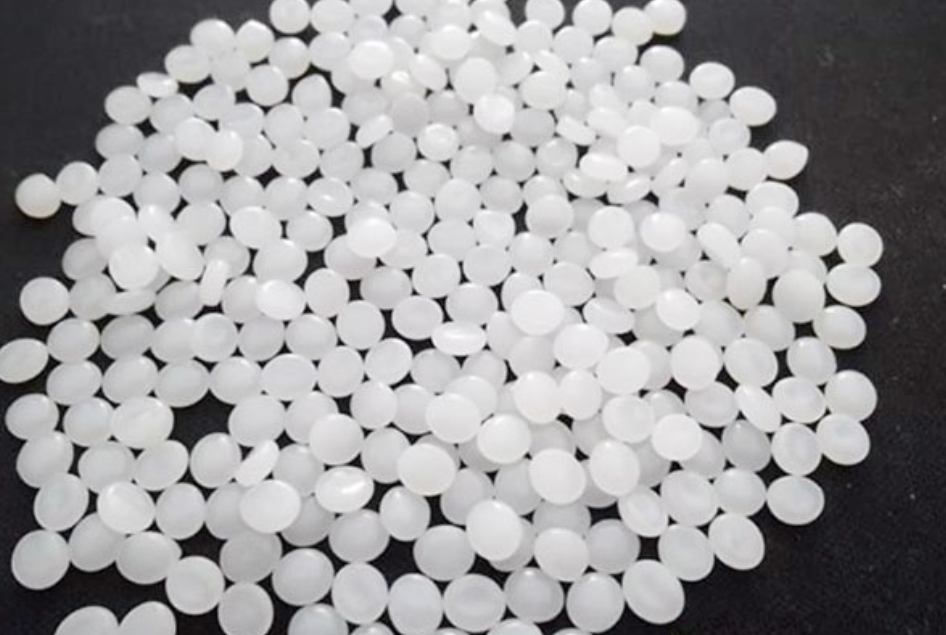
Adaptability and strict origin diversification now define success in this highly volatile global market. Ready to source high density polyethylene from verified global suppliers? Explore competitive offers on our platform today.