China's Guangzhou Cements Its Role as a Global Battery Trade Hub

China's Guangzhou Cements Its Role as a Global Battery Trade Hub
Introduction
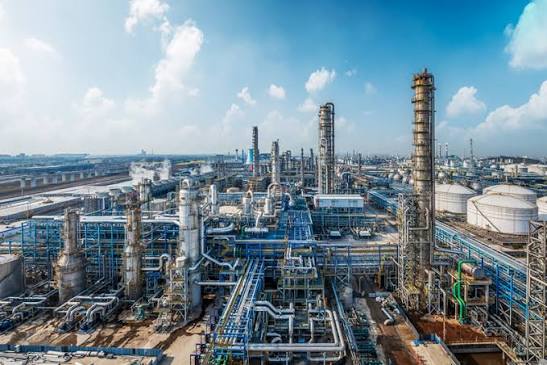
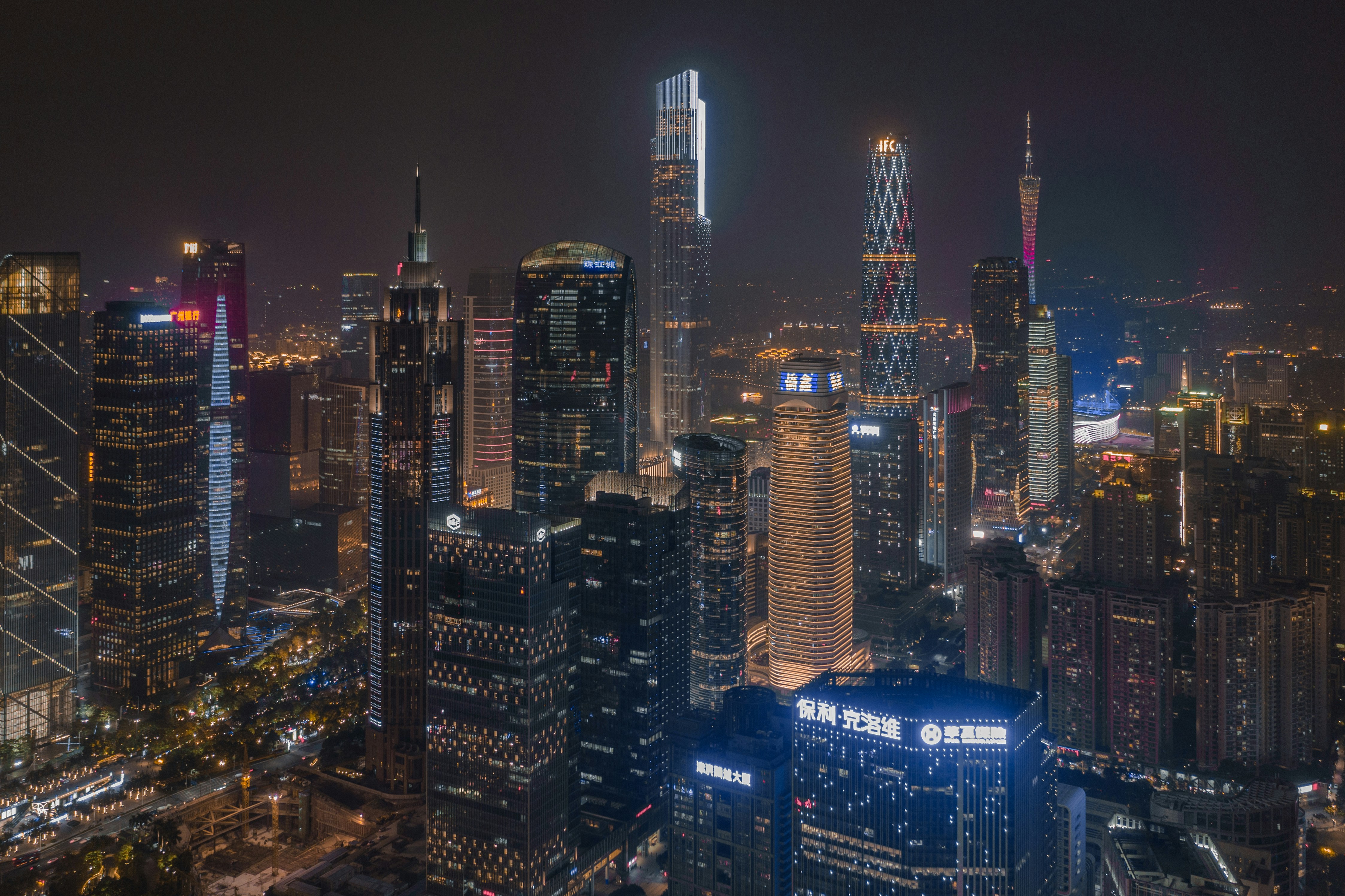
As global demand for electric vehicles (EVs), renewable energy storage, and consumer electronics continues to rise, Guangzhou has strengthened its position as one of the world's leading battery trade and manufacturing hubs. Supported by China's advanced manufacturing ecosystem, modern logistics infrastructure, and proximity to major battery producers, Guangzhou has become a critical gateway for the global battery supply chain.
From lithium-ion batteries and battery materials to energy storage systems and EV components, the city plays a vital role in connecting manufacturers, suppliers, and international buyers. As countries accelerate their transition toward clean energy, Guangzhou's influence on global battery trade is expected to grow even further.
Why Guangzhou Has Become a Global Battery Hub
Guangzhou benefits from a combination of industrial strength, strategic location, and government support that makes it an attractive center for battery manufacturing and exports.
Key advantages include:
Well-developed battery manufacturing ecosystem.
Strong domestic supply chain for battery materials.
Modern ports and international logistics infrastructure.
Close proximity to major EV and electronics manufacturers.
Government support for advanced manufacturing and green technologies.
Access to skilled engineering and technical talent.
These strengths enable manufacturers to efficiently produce and export battery products to markets around the world.
Growing Demand Drives Battery Trade
The rapid expansion of electric mobility and renewable energy has significantly increased global demand for batteries.
Major growth drivers include:
Rising electric vehicle production.
Expansion of renewable energy storage projects.
Increased demand for consumer electronics.
Growth in industrial energy storage systems.
Government investments in clean energy technologies.
As demand continues to increase, Guangzhou remains a key export center serving manufacturers and distributors worldwide.
Key Products Exported from Guangzhou
The city supports a wide range of battery-related industries and products.
Lithium-Ion Batteries
Rechargeable lithium-ion batteries remain the largest export category, serving electric vehicles, electronics, and industrial applications.
Battery Materials
Cathode materials, anode materials, electrolytes, separators, and other critical components are supplied to manufacturers globally.
Energy Storage Systems
Large-scale battery storage solutions are increasingly exported to support renewable energy integration and grid stability.
EV Battery Components
Modules, battery packs, battery management systems (BMS), and charging-related components form an important part of Guangzhou's export portfolio.
Consumer Electronics Batteries
Rechargeable batteries for smartphones, laptops, power tools, and wearable devices continue to represent significant export volumes.
Opportunities for Global Procurement Teams
As Guangzhou strengthens its role in battery manufacturing, procurement professionals should evaluate new sourcing opportunities.
Recommended strategies include:
Diversify Supplier Networks
Develop relationships with multiple qualified battery manufacturers to improve supply resilience.
Verify Supplier Compliance
Assess quality certifications, production capabilities, sustainability standards, and regulatory compliance before selecting suppliers.
Monitor Raw Material Markets
Track prices for lithium, nickel, cobalt, graphite, and other essential battery materials that influence production costs.
Evaluate Total Landed Cost
Include freight, customs duties, insurance, warehousing, and logistics costs alongside supplier pricing.
Strengthen Long-Term Partnerships
Strategic supplier agreements can improve pricing stability, supply continuity, and access to future production capacity.
Challenges Facing the Battery Industry
Despite strong growth, manufacturers continue to face several challenges.
Key issues include:
Volatility in critical mineral prices.
Increasing environmental and sustainability requirements.
Trade policy and tariff uncertainty.
Supply chain risks for battery raw materials.
Growing international competition from emerging manufacturing regions.
Addressing these challenges will be essential for maintaining long-term competitiveness in the global battery market.
Future Outlook
Guangzhou is expected to remain one of the world's most important battery trade centers as investments in electric vehicles, renewable energy, and advanced manufacturing continue to grow. Continued innovation, automation, and improvements in battery technology will further strengthen the city's position within global supply chains.
At the same time, procurement teams will increasingly focus on supplier diversification, sustainability, and resilient sourcing strategies to manage evolving market risks.
Conclusion
Guangzhou's emergence as a global battery trade hub reflects China's continued leadership in advanced manufacturing and clean energy technologies. With strong industrial infrastructure, an integrated supply chain, and expanding international demand, the city is well-positioned to support the next phase of global battery market growth.
For manufacturers, investors, and procurement professionals, Guangzhou offers significant sourcing opportunities while emphasizing the importance of supplier qualification, market intelligence, and diversified procurement strategies. Businesses that build resilient supply chains today will be better prepared to meet the growing demand for batteries and energy storage solutions in the years ahead.
2-Ethylhexyl Acrylate
Found this useful?