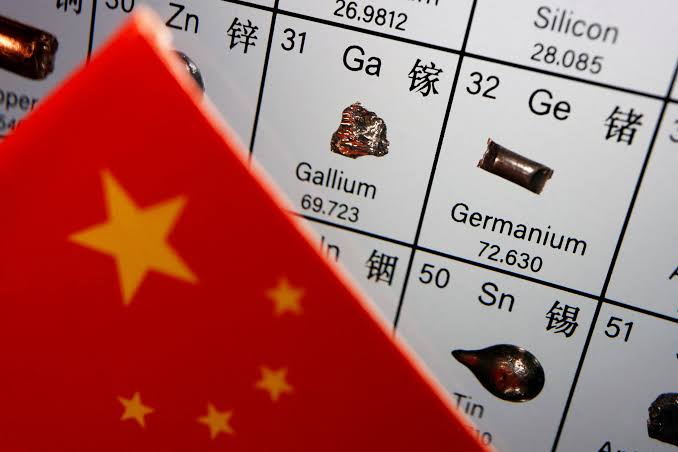
China's Molybdenum Supply Chain Fractures as Key Producers Halt
China's specialty metals supply chain faced renewed disruption in early July as China Molybdenum halted tailings supply and a Xiamen Tungsten joint-venture subsidiary suspended production. The production interruptions affected a critical segment of China's molybdenum value chain at a time when broader chemical and industrial alcohol prices were also rising, adding further pressure to manufacturing costs.
For chemical manufacturers, alloy producers, and procurement professionals, the disruption highlights the vulnerability of specialty metal supply chains to operational interruptions. Since molybdenum is widely used in high-performance alloys, catalysts, and chemical processing equipment, prolonged supply constraints could ripple across multiple industrial sectors.

Why Molybdenum Matters
Molybdenum is a strategic metal used to improve corrosion resistance, strength, and heat tolerance in industrial applications.
Key industries and products influenced by molybdenum include:
Chemical Processing Equipment
Petrochemical Plants
Stainless Steel Production
Industrial Catalysts
Mining Equipment
Energy Infrastructure
Because molybdenum enhances the durability of equipment operating in corrosive environments, it plays an important role in supporting reliable chemical manufacturing.
Industries that utilize molybdenum-based equipment also depend on chemicals such as Caustic Soda, Hydrochloric Acid, Sulfuric Acid, Methanol, Acetic Acid, and Hydrogen Peroxide for chemical processing, metal treatment, industrial cleaning, and manufacturing operations. Reliable sourcing of both specialty metals and essential chemicals is critical for maintaining uninterrupted production.

Hydrogen Peroxide (35%) - Thailand
Market Implications
The production disruptions may contribute to:
Reduced availability of molybdenum feedstocks
Higher prices for specialty metals
Increased manufacturing costs for corrosion-resistant equipment
Supply chain uncertainty for industrial projects
Greater focus on inventory management
Increased diversification of specialty metal sourcing
Combined with higher chemical and industrial alcohol prices, these disruptions could place additional cost pressure on downstream manufacturers.
Procurement Considerations
Procurement teams should focus on:
Monitoring specialty metal supply developments
Diversifying suppliers across different regions
Securing long-term agreements for critical materials
Reviewing inventory levels for strategic inputs
Tracking pricing trends in metals and industrial chemicals
Evaluating supplier business continuity plans
A diversified sourcing strategy can help reduce exposure to production interruptions in concentrated supply chains.

Looking Ahead
China remains a major supplier of molybdenum and other specialty metals, making production disruptions closely watched by global manufacturers. While temporary shutdowns may be resolved, the episode reinforces the importance of supply chain resilience for industries that depend on high-performance materials and specialized manufacturing equipment.
For procurement professionals, balancing supplier diversification with long-term partnerships will remain essential as geopolitical, operational, and market risks continue to influence specialty material availability.
Key Takeaways
Production disruptions affected key links in China's molybdenum supply chain.
Molybdenum is essential for corrosion-resistant equipment, catalysts, and industrial manufacturing.
Supply interruptions could increase costs for specialty metals and downstream industries.
Procurement teams should diversify sourcing and monitor specialty metal markets.
Supply chain resilience remains a priority for manufacturers relying on critical materials.
Found this useful?