
China's PE Imports Collapse 33% as the Country Flips to Net Exporter Mode
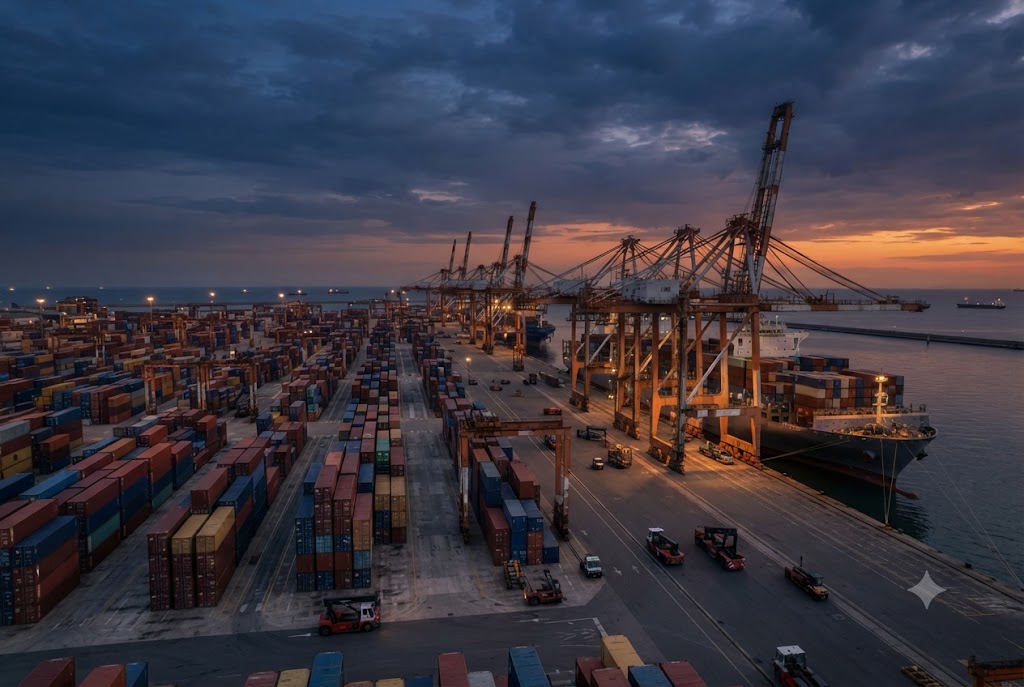
Global polymer markets are witnessing a historic structural realignment as the world’s largest consumer market fundamentally changes its trade position. China polyethylene imports collapsed to nearly 730,000 tons in April 2026, marking a dramatic reversal in decades of established trade patterns. This specific monthly volume represents a steep 33% decline from March and a massive 45% drop compared to the same period last year.
Traders and procurement managers recognize this data point as a definitive signal that the era of China as a massive net importer has ended. The simultaneous surge in outbound shipments confirms that domestic producers have successfully achieved self-sufficiency and now actively compete for international market share. This dual dynamic forces overseas suppliers to completely redraw their global sales strategies.
The following sections explore the mechanics behind this import collapse and what it means for your next polymer contract. Understanding these new trade flows is essential for navigating the current market environment.
Drivers Behind the Sharp Import Volume Decline
Massive domestic capacity additions over the past three years have finally saturated the local market with basic commodity grades. Chinese petrochemical groups commissioned numerous world-scale ethane and naphtha crackers that produce millions of tons of additional resin annually.
This new production capacity came online exactly when domestic demand growth began to moderate due to broader economic adjustments. Local converters found themselves oversupplied with domestic material and significantly reduced their reliance on overseas cargoes.
Imported material also lost its traditional cost advantage as domestic producers leveraged integrated refining complexes and cheap feedstock. Foreign suppliers could no longer offer the significant price discounts required to justify long ocean transit times and complex logistics.
Buyers in coastal manufacturing hubs increasingly sourced from nearby domestic refineries via truck or rail. This localized purchasing behavior eliminated the need for imported spot cargoes that previously balanced regional supply deficits.
The Flip to Net Exporter Mode Explained
The combination of collapsing imports and surging exports officially pushed China into net exporter status for the first time in modern history. Domestic producers aggressively priced their surplus volumes to clear overflowing inventories and maintain high operating rates.
International trading houses quickly capitalized on these competitive offers to redirect material toward Southeast Asia, Latin America and Europe. This sudden influx of Chinese resin disrupted established trade lanes and pressured incumbent suppliers in every major importing region.
The flip to net exporter mode reflects a mature industrial base rather than a temporary market anomaly. Structural overcapacity ensures that China will remain a consistent supplier of basic polymer grades to the global market for the foreseeable future.
This structural shift permanently alters the global pricing floor for commodity polyethylene. International producers must now benchmark their prices against Chinese export parity rather than historical import premiums.
Regional Impacts on Traditional Exporting Nations
Middle Eastern producers face the most immediate pressure from this historic trade reversal. These suppliers traditionally relied on China as their primary outlet for linear low density and high density polyethylene grades.
South Korean and Japanese exporters also experienced severe volume losses as Chinese buyers canceled long-term lift agreements. These Northeast Asian suppliers now compete directly with Chinese material in third-party markets like Vietnam and India.
European and North American producers find their arbitrage windows into China completely closed. The physical premium that once justified transpacific freight costs has evaporated under the weight of domestic oversupply.
Traditional exporting nations must urgently diversify their customer bases to absorb the volumes previously destined for Chinese ports. This redirection of global trade flows creates intense competition in alternative markets and compresses margins worldwide.
Downstream Converter Adaptation Strategies
Chinese packaging and film manufacturers adjusted their procurement models to align with abundant domestic supply. These converters renegotiated contracts to secure favorable pricing from local producers who desperately needed to move surplus inventory.
Many downstream companies also consolidated their supplier bases to reduce logistical complexity and administrative overhead. Relying on domestic sources eliminated currency risks, customs delays and demurrage charges associated with imported cargoes.
Quality consistency improved as converters established direct relationships with nearby integrated petrochemical complexes. This proximity allowed for faster technical support and quicker resolution of any specification issues during production runs.
Smaller converters without direct access to major domestic producers turned to local distributors for flexible spot purchases. This secondary market absorbed excess inventory and provided crucial liquidity during periods of extreme oversupply.
Strategic Responses from International Suppliers
Non-Chinese petrochemical companies implemented aggressive defensive strategies to protect their remaining market positions. Several major Middle Eastern and Asian producers announced unplanned maintenance turnarounds to reduce supply and support regional pricing floors.
International suppliers shifted their product slates toward specialized high-margin grades that face less direct competition from Chinese commodities. This tactical pivot allowed them to maintain profitability despite losing significant volume in basic packaging resins.
Trading houses restructured their global networks to facilitate the redistribution of displaced volumes. These intermediaries identified new niche markets and developed creative logistics solutions to move material away from saturated regions.
Producers also engaged in direct negotiations with key accounts outside China to offer enhanced service packages and flexible terms. Retaining loyal customers through superior value propositions became more important than competing solely on price.
What Procurement Teams Should Do Now
Procurement managers must treat this net exporter transition as a permanent feature of the global polymer landscape. The underlying capacity drivers that caused this import collapse will persist for years and continue to reshape trade patterns.
Audit your current supply chain to identify any lingering dependencies on outdated trade assumptions. Qualify alternative origins and establish relationships with emerging suppliers who benefit from the new global flow dynamics.
Negotiate contracts that reflect the new reality of Chinese export parity pricing. Ensure your pricing formulas link to reliable international benchmarks that accurately capture the true cost of globally traded material.
Build strategic partnerships with domestic Chinese suppliers if you operate manufacturing facilities within the region. Securing reliable local supply provides crucial protection against future import restrictions or geopolitical disruptions.
Ready to source polyethylene from verified global suppliers? Explore competitive offers on our platform today.
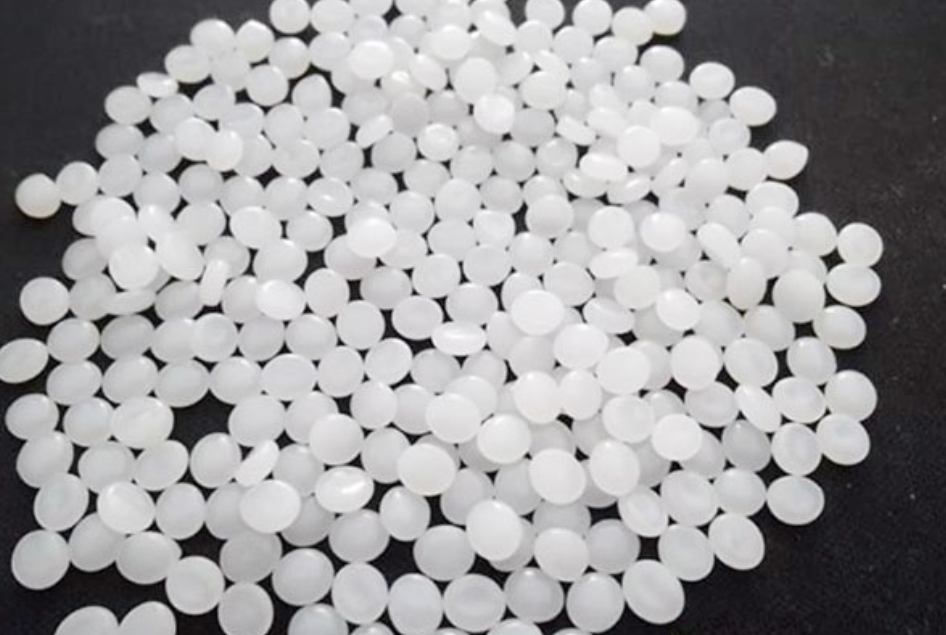
High Density Polyethylene (HDPE)
Found this useful?