Massachusetts' Ajax Therapeutics Finds a Buyer in Eli Lilly
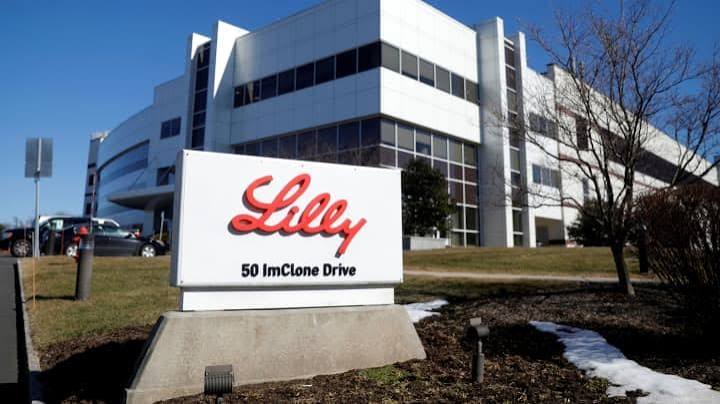
Cambridge, Massachusetts-based Ajax Therapeutics agreed in April 2026 to be acquired by Indianapolis-based Eli Lilly for up to $2.3 billion, marking a major outcome for the clinical-stage biotechnology company. Ajax was founded to develop next-generation JAK inhibitors for myeloproliferative neoplasms, particularly myelofibrosis. The transaction gives Lilly access to Ajax's lead program while adding another specialized blood-cancer asset to its expanding pipeline.
AJ1-11095 Is the Main Attraction
At the center of the acquisition is AJ1-11095, an investigational, once-daily oral Type II JAK2 inhibitor. The drug was in Phase 1 development at the time of the acquisition, targeting patients with myelofibrosis who had previously received a Type I JAK2 inhibitor. Ajax's approach is designed to address resistance and loss of response associated with existing JAK2 therapies by binding to a different conformation of the JAK2 protein.
Lilly Was Already an Early Backer
The deal also illustrates how strategic pharmaceutical investment can evolve into full ownership. Lilly had been a founding strategic investor in Ajax, meaning its relationship with the biotech began before the acquisition. By purchasing Ajax outright, Lilly gained control of the development program and the ability to advance AJ1-11095 through later-stage clinical trials using its existing expertise in hematology and oncology.

The Deal's Value Depends on Future Milestones
The headline $2.3 billion valuation is not an upfront cash payment. Ajax shareholders can receive the amount through an upfront payment plus additional payments tied to clinical and regulatory milestones. That structure allows Lilly to acquire the company while linking a significant portion of the transaction value to the eventual performance of AJ1-11095.
Early Clinical Data Strengthened the Case
Following the acquisition, Lilly presented initial Phase 1 data showing an encouraging safety profile and promising clinical activity in previously treated myelofibrosis patients. The program remains in early development, however, so these results are not yet sufficient to establish the drug's long-term efficacy or commercial potential. Lilly has said it intends to advance AJ1-11095 toward registrational trials.
The Intelligence Takeaway
Ajax's acquisition demonstrates how a relatively small Cambridge biotech can become strategically valuable when it develops a differentiated mechanism in an area of significant unmet medical need. For Lilly, the transaction strengthens its hematology pipeline and shows how early strategic investment can provide a pathway toward eventual acquisition. The key question now is whether AJ1-11095 can translate its early clinical promise into the larger efficacy and regulatory milestones required to justify the deal's potential $2.3 billion value.

Ascorbic Acid
Found this useful?