LyondellBasell Declares Force Majeure on Wesseling Butadiene Unit
The European petrochemical supply chain faces a severe disruption as LyondellBasell officially declares force majeure on its Wesseling butadiene unit. Effective July 16, this action halts supply from the massive 170,000 metric ton per year extraction facility in Germany. The company attributes this critical operational pause directly to record low Rhine water levels. Procurement managers and chemical traders must immediately assess the cascading effects of this announcement. Butadiene serves as a foundational building block for synthetic rubber and various engineering plastics. A sudden halt in production from a facility of this scale instantly tightens global availability. Buyers relying on these essential intermediates need to activate contingency plans without delay. Understanding the mechanics of this hydrological crisis allows sourcing teams to build resilient procurement models. Ignoring these supply chain fractures exposes organizations to severe production delays and margin compression.
The Mechanics of the Wesseling Butadiene Disruption
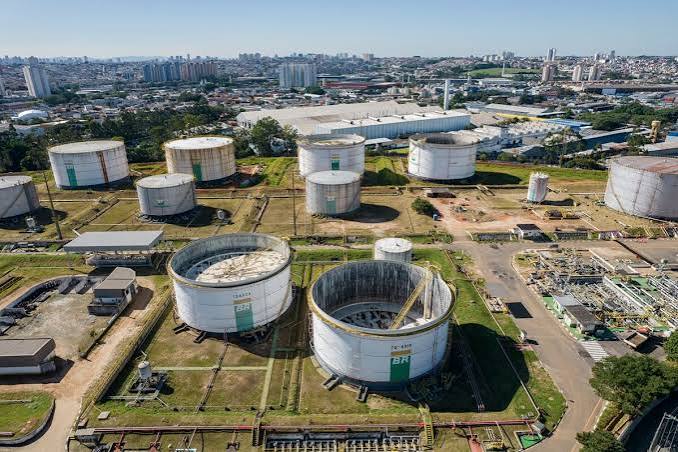
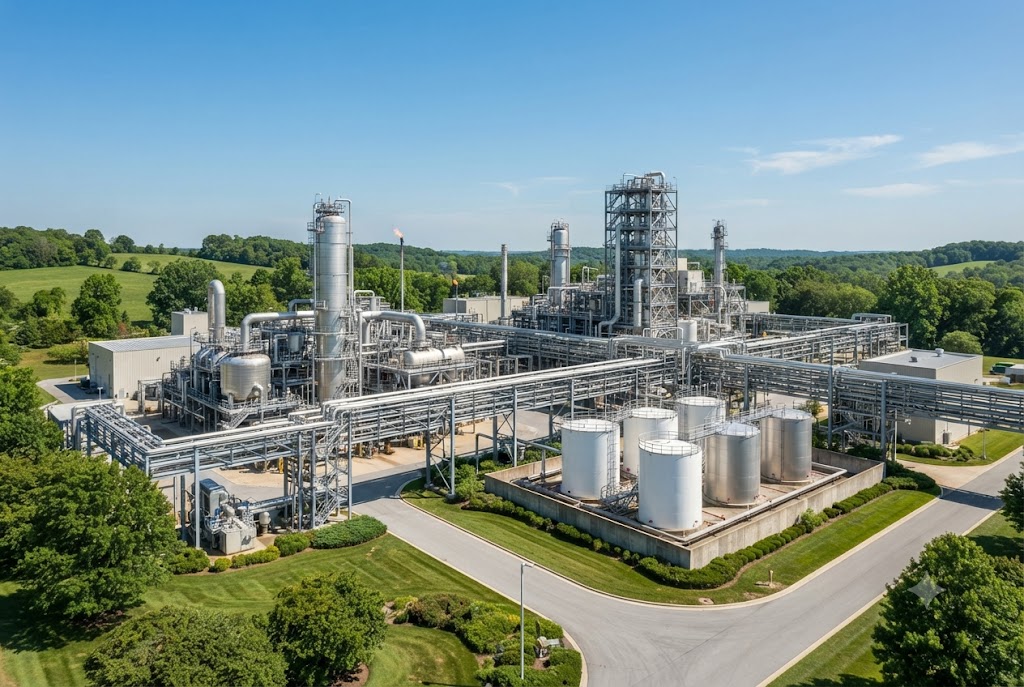
The Wesseling facility represents a cornerstone of European butadiene production. This 170,000 metric ton per year extraction unit relies heavily on river logistics for both feedstock delivery and product distribution. Record low water levels on the Rhine River prevent barges from operating at full capacity.
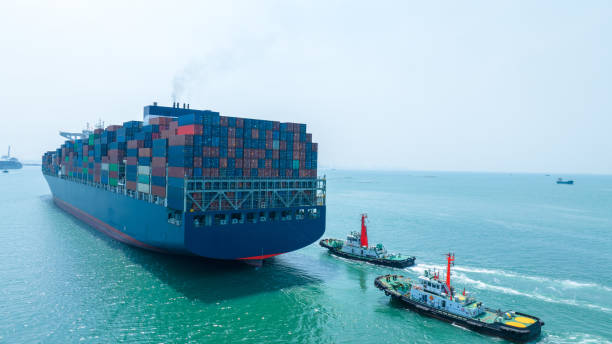
Shallow channels force vessels to lighten their loads significantly. This restriction drastically inflates per-ton shipping costs and strains regional logistical networks. Furthermore elevated water temperatures impair the cooling units these massive chemical plants depend on for safe operation.
Operators must throttle back production to prevent ecological damage and equipment failure. This dual constraint creates a perfect storm for regional chemical manufacturing. LyondellBasell had no viable alternative to maintain safe and economical operations under these extreme environmental conditions.
Cascading Impacts on Polymer and Rubber Supply Chains
The reduction in butadiene output sends immediate shockwaves through downstream manufacturing sectors. Base chemicals become scarce across the continent. This scarcity directly impacts the production of synthetic rubber and engineering plastics used in automotive and packaging applications.
Procurement teams must anticipate tighter allocation across all derivative markets. Manufacturers will prioritize long-term contract holders over spot market buyers to maintain stability. Uncontracted buyers will face steep price premiums and extended lead times for essential materials.
Reduced barge capacity forces a shift to more expensive rail and truck transport. This modal shift creates secondary bottlenecks at regional terminals.
Cooling restrictions mandate planned production curtailments at major facilities. These curtailments permanently remove volume from the market during peak demand periods.
Inventory buffers deplete rapidly when primary supply lines face chronic disruption. Buyers must secure alternative sources before local stocks vanish completely.
Strategic Sourcing Amidst Hydrological Constraints
Procurement professionals must adopt highly disciplined sourcing strategies to mitigate these environmental risks. Relying on a single geographic region for base chemicals is now a massive operational liability. Buyers should actively qualify alternative vendors in North America or Asia to ensure continuity.
Negotiating flexible contracts becomes essential during these highly volatile periods. Agreements must include clear volume adjustment clauses and alternative delivery terms. Suppliers value partners who can adapt quickly to shifting logistical realities.
Engaging regional distributor networks provides a vital operational buffer during shortages. Distributors often hold safety stock that independent manufacturers cannot access directly. However buyers must weigh this reliability against the additional margin layers. Total landed cost calculations must include these intermediary fees to remain accurate.
Financial Hedging and Risk Management Tools
Petrochemical prices fluctuate wildly during severe logistical crises. Sophisticated procurement teams utilize financial instruments to manage this commodity risk effectively. Futures contracts and options help lock in feedstock costs well in advance.
Collaborating with corporate treasury departments is essential for executing these complex strategies. Financial hedging protects profit margins from sudden input cost spikes. Clear governance policies ensure these activities support broader business objectives.
Suppliers also offer indexed pricing formulas tied to recognized chemical benchmarks. Understanding these formulas helps buyers anticipate cost fluctuations accurately. Regular review of index components ensures that pricing remains fair and transparent.
Regulatory and Compliance Considerations During Disruptions
Sourcing from new regions introduces complex regulatory hurdles for procurement teams. Each alternative material must comply with local and international chemical regulations. In Europe REACH registration status remains a crucial factor for market access.
Ensure that new suppliers provide comprehensive documentation promptly upon request. Safety data sheets and certificates of analysis are mandatory for smooth customs clearance. Verify that these documents meet your internal compliance standards strictly.
Update your internal databases with new supplier information immediately. Train procurement and quality assurance staff on these regional changes. Clear communication prevents costly errors in ordering and inventory management.
Formulation Flexibility and Alternative Materials
Supply chain resilience also depends heavily on technical adaptability. Research and development teams must continuously evaluate alternative raw materials. This formulation flexibility allows companies to substitute scarce petrochemicals with available equivalents.
Buyers should encourage their suppliers to develop multi-source compatible formulations. Testing alternative resins and solvents during stable periods prepares organizations for future shortages. Technical validation of these substitutes takes time and requires rigorous quality assurance.
Starting this process early prevents panic-driven material changes during a crisis. Cross-functional collaboration between procurement and engineering accelerates this validation process. Shared goals ensure that new materials meet both performance and availability requirements.
Long-Term Implications for European Chemical Infrastructure
The current crisis will permanently alter global chemical trade flows. Buyers should expect a lasting shift toward nearshoring and diversified supply chains. Companies will prioritize supply security over marginal cost savings moving forward.
The European petrochemical market will likely see sustained price elevation. Producers will pass the costs of resilient logistics onto end users. Procurement managers must adjust their long-term budget forecasts accordingly.
Investment in alternative feedstock routes may accelerate significantly. Companies will seek to decouple from river-dependent logistics entirely. This transition offers a secondary benefit of reduced environmental vulnerability. Early adopters of diversified supply networks will gain a distinct competitive advantage.
What Buyers Should Do Now
Procurement leaders must act decisively to fortify their own supply chains. Conduct a comprehensive audit of your current petrochemical feedstock dependencies. Identify critical materials sourced from Rhine-dependent German facilities immediately.
Initiate immediate discussions with alternative global suppliers to establish backup channels. Secure flexible long-term contracts that include clear volume adjustment clauses. Building organizational agility is the only reliable defense against market volatility.
Invest in advanced market intelligence tools to monitor hydrological and weather trends. Early warning signals allow procurement teams to adjust purchasing tactics proactively. Do not wait for the next disruption to implement these protective measures.
Ready to source Acrylonitrile Butadiene Styrene (ABS) from verified global suppliers? Explore competitive offers on our platform today.

Acrylonitrile Butadiene Styrene (ABS)
Found this useful?