Iran's Weekend Vessel Interceptions Send Shockwaves Through Hormuz Shipping
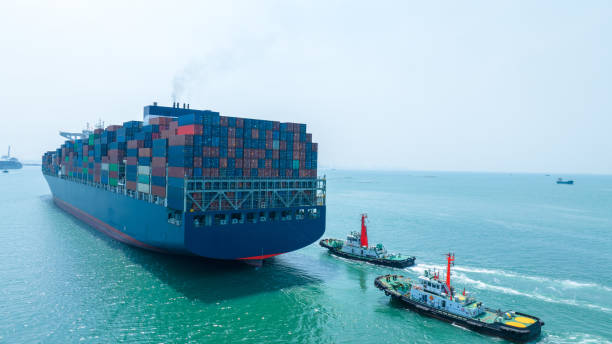
On Saturday and Sunday, Iranian forces intercepted four commercial vessels that were transiting the Strait of Hormuz. The ships, all flagged under neutral nations, were seized after a brief confrontation that left one vessel damaged and the others escorted out of the area. Iranian officials cited “unlawful maritime activity” as the justification for the seizures, while the international community condemned the act as a violation of free navigation rights.
Immediate Market Reaction
The news hit the shipping industry with a sudden spike in freight rates, especially for routes that depend on the Hormuz corridor. Spot rates for crude oil and LNG containers rose by 12% to 17% within hours, reflecting the perceived risk of supply interruption. Freight forwarders and insurers began re‑pricing risk premiums, and several charter parties were put on hold pending further clarification.
Key Indicators of Confidence Loss
Freight rates up 15% on the day of the interception.
Insurance cover costs for tankers increased by 8%.
Temporary rerouting of vessels to the Cape of Good Hope by some shipping lines.
Implications for the Freight Market
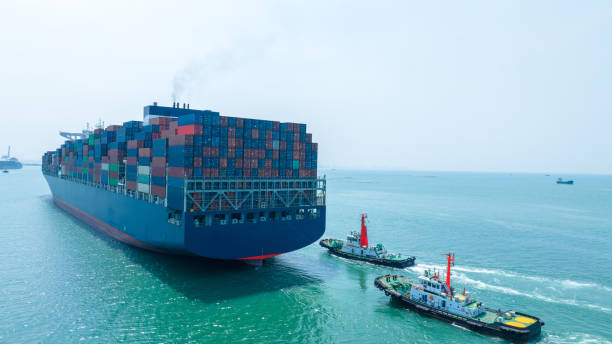
Freight market analysts predict a short‑term tightening of capacity. With a notable share of global tankers dependent on the Hormuz corridor, the risk of delays or diversions can push volumes of cargo to alternative routes, thereby straining port infrastructure in West Africa and the Indian sub‑continent.
Longer‑term, we may see a shift in the pricing structure. Shipping companies are likely to incorporate a “regional risk surcharge” for any voyages that pass near Iranian waters, which will be reflected in both spot and long‑term contracts.
Impact on Chemical Logistics
Chemical logistics, especially for hazardous cargoes, relies heavily on predictable transit times.ಟ್ಟ
The interception raises the probability of delays for chemicals that must cross the Persian Gulf, prompting companies to divert shipments to alternative routes or hold more inventory. The resulting increase in inventory costs can ripple through the supply chain, affecting pricing for end‑users.
Strategic Responses by Chemical Firms
Increasing safety stock levels for critical chemicals.
Locking in longer‑term forward contracts to hedge against price volatility.
Investing in digital tracking systems for real‑time route monitoring.
Tanker Operations and Maritime Security
Tanker operators are reassessing their routing protocols. Many are implementing the following measures:
Route diversification to avoid high‑risk zones.
Enhanced crew training on emergency response.
Collaboration with naval escort services where available.
Maritime security firms are also stepping up patrols in the Gulf, offering “security escort” services at a premium.
Procurement Decisions in the Shipping Industry
Shipowners and logistics providers are now evaluating the cost‑benefit of investing in newer vessels equipped with advanced navigation and security systems. The procurement of “security‑enhanced” tankers is projected to increase by 20% in the next 12 months.
Additionally, procurement teams are prioritizing:
Long‑term fuel contracts kulay.
Insurance packages that cover piracy and state‑sanctioned incidents.
Long‑Term Outlook
While the immediate reaction is one of heightened caution, the global shipping ecosystem is resilient. Over the next 6–12 months, we anticipate a gradual normalization as navies mitigate risks and shipping lines adapt their routes.
However, the precedent set by Iran’s actions may lead to a sustained increase in shipping risk premiums, especially for vessels operating near politically tense regions.

Basic Chromium Sulphate
Found this useful?