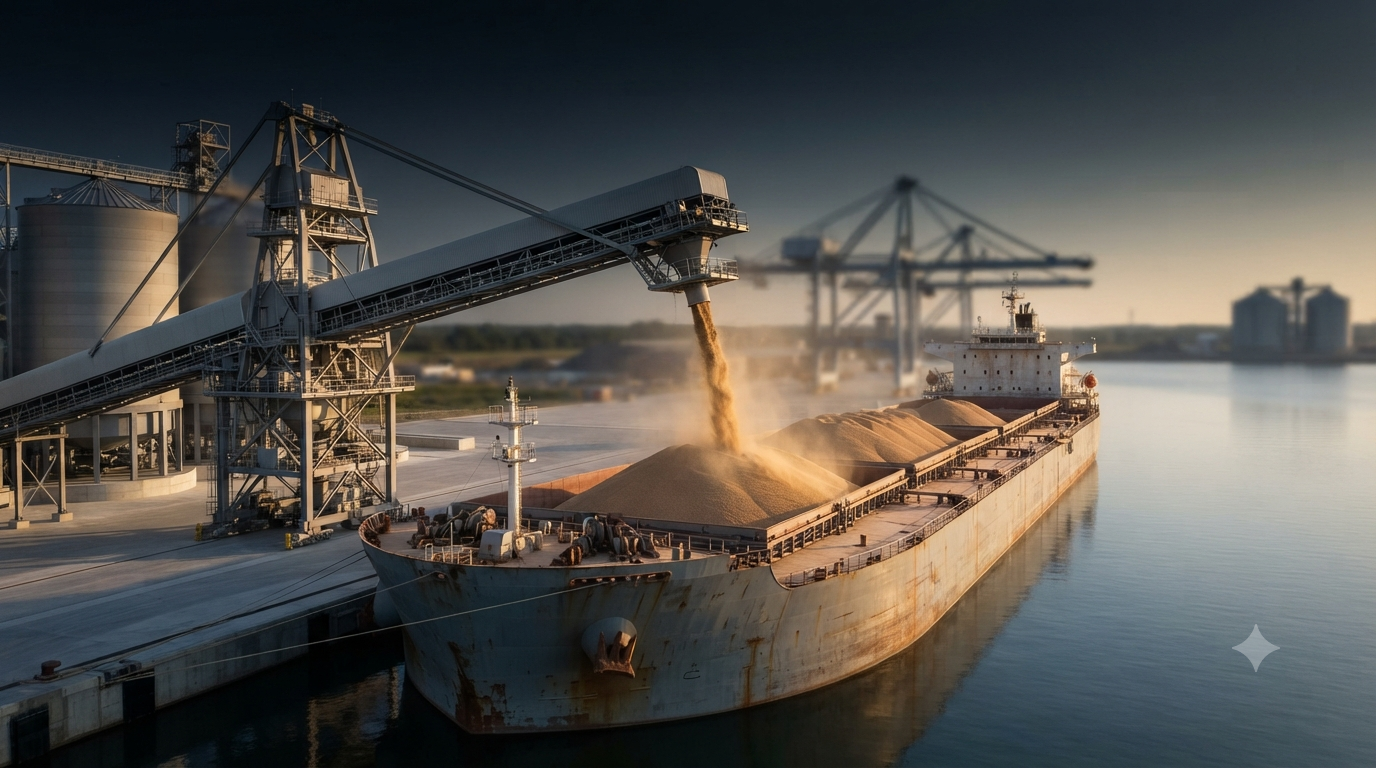
China’s Phosphate Export Halt Until August Tightens Global Fertilizer Supply
Introduction
Phosphorus is one of the three primary nutrients that plants need to grow, alongside nitrogen and potassium. It is a key component of fertilizers that boost crop yields worldwide. China, the world’s largest producer of phosphate rock, recently announced a halt on exports until August, citing domestic demand and environmental concerns. This pause is tightening global fertilizer supplies and sending shockwaves through agricultural markets and food supply chains.
What This Means for Fertilizer Markets
With China’s export halt, the available phosphate rock лицо for the international market shrinks by nearly a quarter of global supply. This scarcity forces producers to source alternative materials, often at higher prices. The immediate consequence is a surge in fertilizer costs, especially for blended products that combine nitrogen, potassium, and phosphorus.
Price Inflation: Global phosphate prices have risen by 15‑20% in the past month.
Supply Chain Disruptions: Importers face longer lead times and higher freight costs.
Substitution Demand: Farmers are increasingly looking at organic phosphates and recycled phosphates from wastewater.
Impact on Agricultural Production Costs
Higher fertilizer prices translate directly into increased production costs for farmers. Small‑holder farms in regions dependent on phosphate‑rich inputs may see crop input costs rise by up to 25%. This pressure can lead to a shift in crop choice, with some growers pivoting to higher‑margin or less‑phosphorus‑intensive crops.
Cost per Acre: The cost of fertilizer per acre has climbed from $80 to $110 in key regions.
Yield Adjustments: Farmers may reduce application rates to maintain profitability, potentially lowering yields.
Debt and Credit: Higher input costs strain farm finances, increasing reliance on credit markets.
Global Food Supply Chains and Ingredient Procurement
The ripple effect extends beyond the fields. Food manufacturers rely on predictable input costs to set ingredient prices and maintain supply chain stability. With phosphate supplies tightening, there is a risk of volatility in the prices of processed foods that use phosphate-based additives, such as baking powders and flavor enhancers.
Food companies are revisiting sourcing strategies, diversifying suppliers, and exploring alternative ingredients to mitigate risk. The increased cost of phosphate also indirectly impacts the price of staple crops—rice, wheat, and corn—thereby influencing the overall cost of food ingredients.
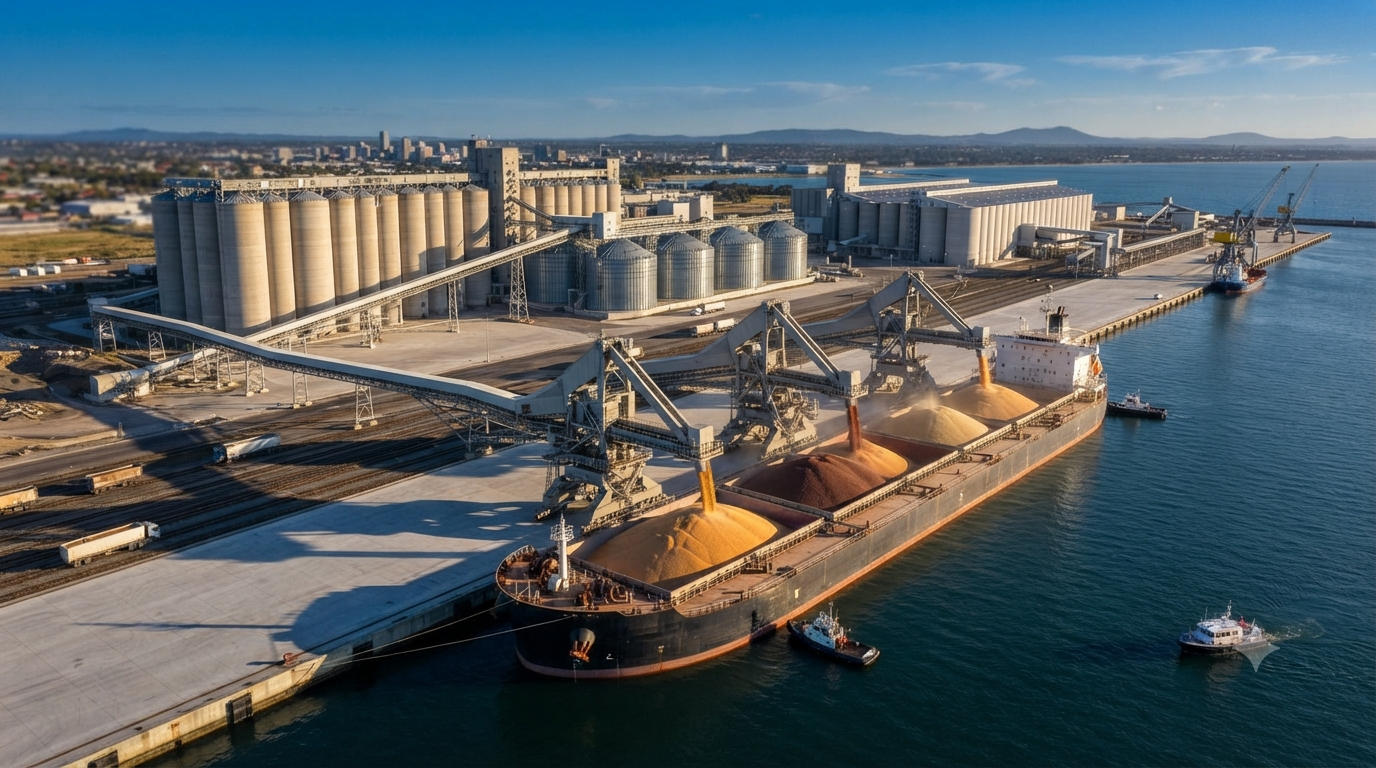
Strategic Responses for Farmers and Food Companies
Both farmers and food producers are adopting a range of tactics to navigate the uncertainty.
Strategic Stockpiling: Purchasing and storing phosphate‑based fertilizers before the price spike Canva.
Co‑operative Buying: Forming buying groups to secure better rates and access to alternative suppliers.
Precision Agriculture: Using soil testing and variable-rate technology to apply phosphate more efficiently.
Ingredient Substitution: Food companies are researching phosphate‑free additive alternatives to maintain product stability.
Financial Hedging: Utilizing futures contracts to lock in fertilizer prices ahead of market fluctuations.
Conclusion
China’s export halt of phosphate until August introduces a new variable into the complex equation of global food supply chains. The tightening of fertilizer supplies is elevating crop input costs, prompting shifts in farming practices, and forcing food companies to rethink ingredient procurement. While the market will likely adjust over time, stakeholders must stay alert, diversify strategies, and invest in technologies that enhance efficiency to weather this period of heightened uncertainty.
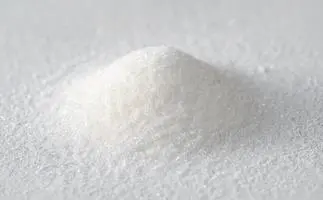
Monoammonium Phosphate (Technical) - Morocco
Found this useful?