Global polymer markets are witnessing a historic valuation collapse as China PVC prices hit a two-decade low. The domestic market price fell to about RMB 4,400 per tonne in November 2025, marking the lowest level since 2004. This staggering valuation sits more than 48 percent below the massive peak recorded in 2021. Traders and procurement managers recognize this structural shift as a definitive end to the previous pricing paradigm. The sheer depth of this discount forces international buyers to completely rewrite their sourcing models and contract expectations. Downstream converters now enjoy unprecedented input cost advantages while producers face severe margin compression across every major manufacturing province. The following sections explore the fundamental drivers behind this historic price collapse and outline actionable strategies for navigating the current environment. Understanding these market dynamics is essential for optimizing your polymer procurement approach and securing long-term supply.
Fundamental Drivers Behind the Historic Price Collapse
The domestic market price fell to about RMB 4,400 per tonne in November 2025. This specific valuation marks the lowest level since 2004 and signals a massive structural oversupply across the entire Asian continent.
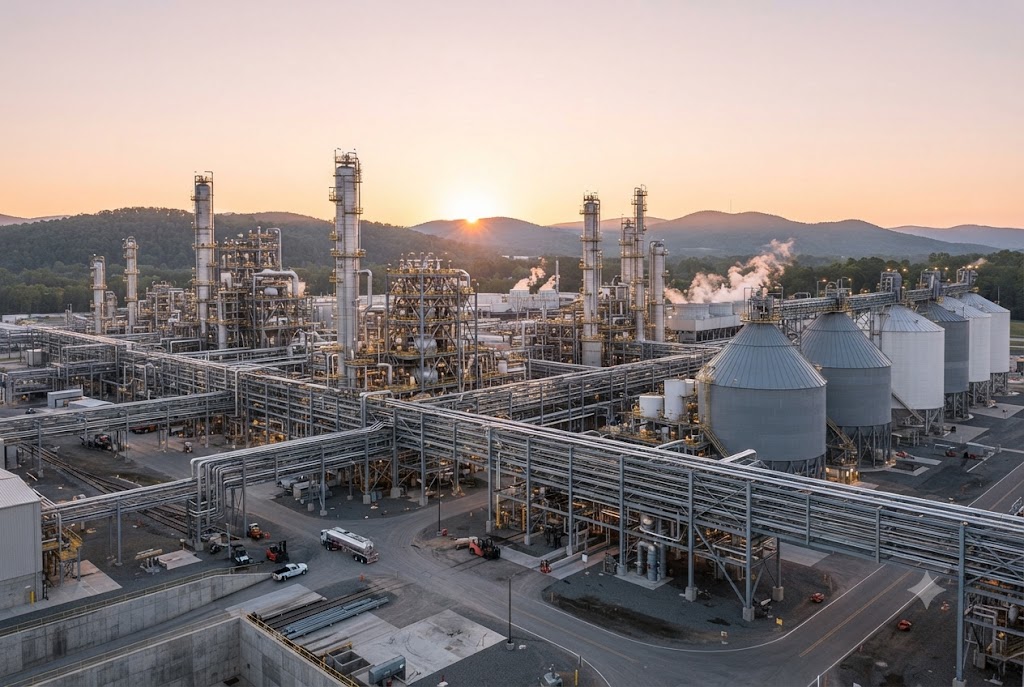
Chinese petrochemical groups commissioned record volumes of new capacity over the last three years. State-backed enterprises and private refiners built massive coal-based chemical complexes in western provinces to achieve total domestic self-sufficiency.
These mega projects reached full commercial operation exactly when local downstream demand hit a cyclical wall. The resulting physical surplus completely overwhelmed domestic storage networks and forced producers to slash prices aggressively.
Inland facilities in regions like Inner Mongolia and Xinjiang expanded their reactor fleets to capture local economic subsidies. This aggressive regional expansion flooded the national market with basic extrusion grades just as construction activity stalled.
The 48% Drop From the 2021 Peak Explained
The market peaked in 2021 due to a severe energy crisis that restricted coal mining and spiked feedstock costs. Producers passed these massive utility expenses directly to downstream converters under the guise of supply scarcity.
Provincial governments enforced strict dual-control policies that limited energy intensity and total energy use across heavy industrial sites. These rules forced older coal-based plants to curtail output and created an artificial shortage of basic building blocks.
Current market conditions represent the exact opposite environment. Abundant domestic coal production and relaxed environmental curtailments provide cheap and steady feedstock to inland chemical parks.
This massive 48 percent decline from the 2021 peak reflects a complete normalization of energy costs combined with aggressive capacity expansion. Buyers who locked in long-term contracts during the peak years now face severe mark-to-market losses.
Calcium Carbide Versus Ethylene Production Economics
China utilizes two distinct manufacturing pathways to produce polyvinyl chloride. The dominant route relies on calcium carbide derived from thermal coal and limestone.
This coal-based pathway sits at the very bottom of the global cost curve. Inland producers leverage abundant local mineral reserves and heavily subsidized industrial electricity to synthesize basic intermediates at extremely low cash costs.
The calcium carbide furnaces consume massive amounts of power to achieve the extreme temperatures required for the chemical reaction. Local governments provide preferential electricity rates to these specific facilities to maintain regional employment and industrial output.
A smaller portion of domestic capacity utilizes the ethylene route. These coastal plants import liquid feedstocks and face much higher operating expenses.
The calcium carbide producers dictate the national pricing floor. When their margins compress these producers lower their offer prices aggressively to maintain high utilization rates at their massive reactors.
Domestic Demand Weakness in the Property Sector
The primary consumption driver for rigid pipe and profile extrusion grades remains the domestic construction industry. A prolonged downturn in residential real estate development severely restricted new project commencements across major eastern and southern provinces.
Municipal infrastructure spending provided some offsetting demand but could not fully compensate for the loss of residential building activity. Government stimulus measures focused heavily on advanced manufacturing and green energy rather than traditional construction materials.
Downstream pipe extruders reduced their purchasing rates and maintained minimal raw material inventories. This cautious buying behavior eliminated the traditional seasonal restocking rallies that typically support autumn pricing.
Window profile manufacturers and synthetic flooring producers also experienced severe order cancellations. These specific downstream segments consume high volumes of specialty suspension grades and their weakness directly impacted the broader market sentiment.
Export Competitiveness and Global Trade Flows
Chinese producers leveraged their expanded capacity and low cash costs to capture significant market share across Southeast Asia and India. These emerging markets possess growing infrastructure sectors that consume massive volumes of basic extrusion grades.
Export volumes surged as domestic builders faced a prolonged downturn. Producers redirected surplus resin toward international waters to maintain high utilization rates at their newly expanded facilities.
Traditional exporting nations like the United States and South Korea lost significant ground in these key growth markets. Their higher cost structures prevented them from competing effectively against the sheer volume and pricing aggression of Chinese suppliers.
Global benchmark prices increasingly reflect Chinese export parity rather than traditional regional supply fundamentals. This pricing dynamic compresses margins across the entire international value chain and forces widespread rationalization among high-cost incumbents.
Margin Compression and Producer Rationalization
The drop to RMB 4,400 per tonne devastated producer profitability across the entire sector. Cash margins compressed to breakeven or negative levels for many independent calcium carbide operators.
Management teams evaluated immediate operational adjustments to stem the financial bleeding. Selective run cuts and maintenance accelerations emerged as primary tools to balance supply with weakened demand.
Smaller independent producers faced existential threats as cash flows turned negative. Consolidation discussions intensified with stronger players evaluating distressed asset acquisitions while weaker operators explored exit strategies.
Financial institutions also restricted new lending to high-carbon chemical assets. This credit squeeze prevented struggling plants from securing the working capital required to purchase fresh coal feedstock.
Three specific operational responses dominate the current producer strategy:
Reducing reactor throughput: Operators cut their specific polymerization yields to minimize losses on every tonne produced.
Delaying capital upgrades: Managers postpone planned facility expansions to preserve cash during a period of severe margin compression.
Shifting to specialty grades: Producers divert capacity toward high-margin chlorinated variants that face less direct commodity competition.
Strategic Sourcing Opportunities for Global Buyers
Procurement leaders should treat this historic valuation collapse as a tactical opportunity to secure favorable long-term supply agreements. The sudden drop in domestic prices provides an excellent entry point to lock in baseline volumes for upcoming quarters.
Smart buyers utilize formula-based contracts that link their physical purchase price to an average of daily market assessments. This averaging mechanism smooths out extreme volatility and provides predictable raw material costs.
Diversifying your supplier base across multiple geographic regions also mitigates localized margin squeezes. Sourcing material from both inland coal-based producers and coastal ethylene-based plants ensures continuous supply regardless of local operational cuts.
Quality control teams must verify the thermal stability of coal-based material before integrating it into sensitive manufacturing lines. The specific impurity profiles differ significantly between the two production pathways and require distinct formulation adjustments.
What Procurement Teams Must Do Now
Navigating this historic low requires strict discipline and proactive market monitoring. Procurement leaders must separate emotional market reactions from fundamental physical supply realities.
Audit your current contract structures to ensure your pricing formulas accurately capture sudden downward corrections. Fixed-price agreements negotiated during previous peak eras now represent massive liabilities requiring immediate adjustment.
Engage directly with your primary suppliers to understand their exact operating rate plans following the severe margin squeeze. Clear communication prevents unexpected force majeure declarations when independent plants decide to idle their reactors.
Build strategic inventory buffers at your local warehouses to protect your extrusion lines from sudden physical shortages. Maintaining deep physical reserves provides crucial leverage during negotiations and shields your operations from supply disruptions.
Ready to source PVC resin from verified global suppliers? Explore competitive offers on our platform today.