China's Tarim Complex Adds Significant New Petrochemical Capacity
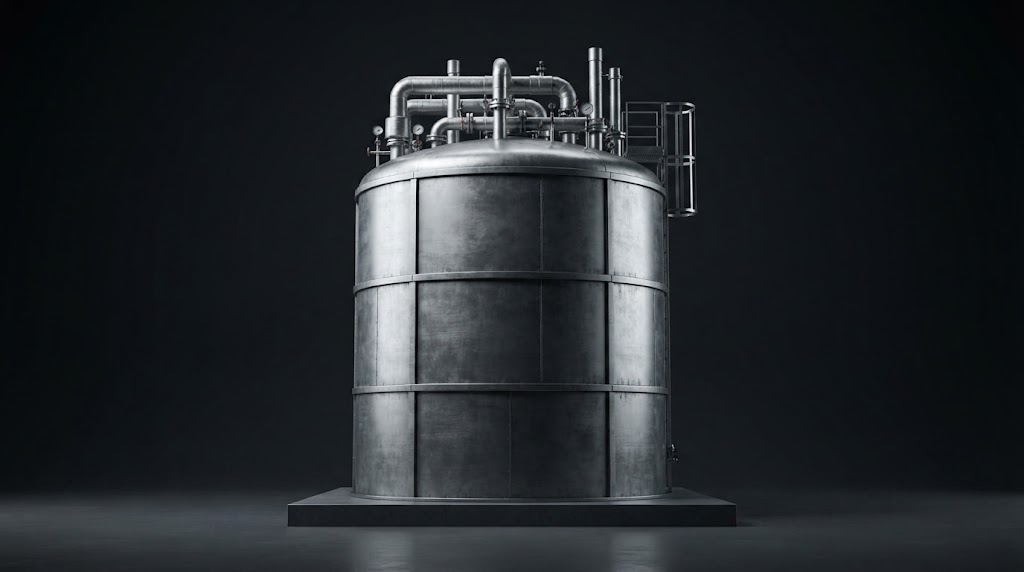
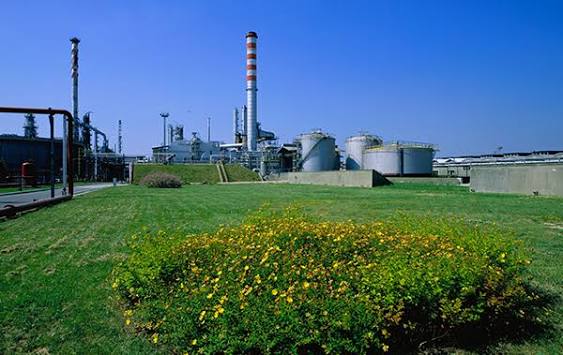
China has added another major block of petrochemical capacity with the newly operational Tarim Phase II complex, developed by CNPC with capacity of 1.2 million tonnes per annum. The project strengthens China’s domestic petrochemical base at a time when the country’s expanding production footprint is raising broader questions about overcapacity.
For chemical traders, importers, exporters and procurement teams, the development matters beyond the headline capacity figure. More domestic production can alter regional trade flows, supplier competition, product availability and purchasing strategies across China’s petrochemical value chain.
The key issue now is how this additional capacity will interact with existing plants, domestic consumption and China’s position as a major participant in global chemical trade.
Tarim Phase II Strengthens China’s Petrochemical Supply Base
The operational launch of Tarim Phase II represents a significant addition to China’s petrochemical manufacturing infrastructure. At 1.2 MTA, the complex introduces a substantial volume of new capacity into a market that already has a large and increasingly sophisticated domestic production network.
For buyers, new capacity can create a more competitive sourcing environment. Domestic producers may have greater ability to supply local customers while traders could face changing requirements from companies that previously relied more heavily on imported material.
The effect will depend on how effectively the new complex integrates into downstream markets. Capacity alone does not determine commercial impact, because utilization rates, product mix, domestic demand and logistics all influence actual supply availability.
China’s Capacity Growth Creates a More Complex Market Balance
China has spent years strengthening its petrochemical manufacturing capabilities, giving domestic buyers access to a broader pool of locally produced materials. Tarim Phase II adds another layer to this development and could increase competition between domestic and imported products.
For procurement managers, the most important question is not simply whether China has more capacity. The practical question is whether that capacity translates into consistently available material at commercially attractive terms.
Several factors will shape that outcome:
Domestic demand: Strong consumption can absorb new output and limit the effect on export availability.
Plant utilization: The headline capacity figure does not necessarily equal actual production volumes in every period.
Downstream integration: Connections with downstream processing can influence where additional output ultimately moves.
Import competition: Local availability can affect the attractiveness of imported polymers and petrochemical feedstocks.
Export economics: Producers will assess domestic margins against international opportunities when deciding where to place incremental volumes.
This makes the Tarim development relevant to both buyers sourcing within China and international traders monitoring Chinese export potential.
What Tarim Capacity Could Mean for Petrochemical Procurement
Procurement teams often assess new production capacity through its potential effect on price, availability and supplier competition. Tarim Phase II adds another source of supply that buyers can consider as China’s petrochemical market continues to evolve.
A larger domestic supply base can strengthen negotiating leverage for industrial buyers. When several suppliers compete for the same customers, procurement teams may gain more flexibility when discussing pricing, delivery terms, minimum order volumes and contract structures.
However, buyers should avoid treating new capacity as an automatic signal for lower prices. Additional capacity only becomes a major commercial factor when production reaches the market in sufficient volumes and demand does not absorb the increase.
For importers, this distinction matters. A change in Chinese domestic availability could affect import demand for selected products, particularly where domestic producers can compete effectively on cost and delivery.

Domestic Overcapacity Remains a Key Market Consideration
The commissioning of Tarim Phase II arrives alongside broader questions about China’s petrochemical overcapacity. As new plants come online, market participants must assess whether incremental production aligns with domestic consumption growth.
Overcapacity can create intense competition when available production exceeds demand. Producers may compete more aggressively for customers, while traders may encounter changing regional price relationships and greater pressure on traditional import channels.
For chemical buyers, potential oversupply can create opportunities, but it also requires closer monitoring of producer behavior. Procurement teams should track actual operating rates and market availability rather than relying solely on announced or installed capacity.
The commercial implications can include:
More supplier choices for domestic buyers.
Greater competition between local and imported materials.
Potential changes in regional price spreads.
Increased pressure on producers to secure downstream demand.
More variable export incentives depending on domestic market conditions.
These factors can make China an increasingly important reference point for international petrochemical procurement decisions.
Regional Trade Flows Could Shift as Chinese Supply Expands
China’s growing petrochemical production base can influence trade flows well beyond the domestic market. When local production becomes more competitive, import volumes for comparable materials can face pressure, while export opportunities may become more relevant for producers with sufficient surplus.
This creates a two-sided effect for international traders. Companies selling petrochemical products into China may need to compete with stronger domestic supply, while buyers in other markets could gain access to additional Chinese-origin material if producers seek overseas outlets.
The impact will also vary by product. Different petrochemicals face different demand patterns, production economics and downstream applications, so procurement teams should evaluate individual product markets rather than applying a single assumption to the entire sector.
For exporters, China’s capacity growth therefore deserves attention even when their primary customers operate outside the country. A change in Chinese supply can influence competitive dynamics across Asia and other connected markets.
Buyers Should Watch Utilization, Pricing and Supplier Competition
Installed capacity provides an important market signal, but procurement decisions require more granular information. Buyers should monitor how the new Tarim capacity performs commercially after commissioning and how suppliers respond to changing market conditions.
A practical procurement monitoring framework can focus on four areas:
Availability: Track whether additional material becomes consistently accessible to domestic and international buyers.
Pricing: Compare domestic indications with import alternatives and regional market levels.
Supplier behavior: Monitor changes in payment terms, contract structures, lead times and minimum volumes.
Trade flows: Watch import and export activity for signs that China is absorbing or redirecting incremental production.
This approach can help buyers distinguish between nominal capacity growth and meaningful changes in market supply.
Petrochemical Traders Need a More Flexible Sourcing Strategy
The Tarim expansion reinforces the importance of maintaining multiple sourcing channels. Traders that depend heavily on a single origin or supplier may face greater exposure if Chinese domestic production changes regional availability or price relationships.
A flexible sourcing strategy can include domestic Chinese suppliers, international producers and distributors with access to alternative origins. Buyers can then compare offers based on more than headline price, including freight, lead time, payment conditions, product specifications and supply reliability.
For polymer buyers, this is particularly relevant as China's petrochemical industry continues to influence the balance between domestic manufacturing and international trade. A wider supplier network can also help procurement teams respond when regional price differences create new arbitrage opportunities.
What the Tarim Expansion Means for Global Buyers
CNPC’s newly operational 1.2 MTA Tarim Phase II complex adds meaningful capacity to an already large Chinese petrochemical sector. The development could strengthen domestic supply, increase competition and contribute to changing trade patterns depending on utilization and demand.
Global buyers should view the project as part of a broader shift rather than an isolated capacity announcement. China’s expanding production base can influence sourcing decisions for companies purchasing polymers and other petrochemical products across Asia and international markets.
For procurement teams, the immediate priority should be market visibility. Tracking supplier offers, domestic availability, import economics and export activity can reveal where new capacity is creating genuine purchasing opportunities.
The Bottom Line for Petrochemical Procurement Teams
Tarim Phase II gives China another substantial source of petrochemical production capacity, adding 1.2 MTA as the country continues to expand its industrial supply base. The development could intensify competition in markets where domestic production grows faster than demand.
For chemical traders and industrial buyers, the opportunity lies in understanding how the new capacity translates into actual market supply. Companies that compare multiple origins, monitor producer behavior and maintain flexible procurement channels will be better positioned to respond as China’s petrochemical balance evolves.
The next phase of the market will depend on utilization, demand absorption and the commercial decisions producers make with incremental output. Buyers that monitor these signals closely can identify opportunities before changes in domestic supply fully reshape regional trade flows.
Ready to source High Density Polyethylene (HDPE) from verified global suppliers? Explore competitive offers on our platform today.
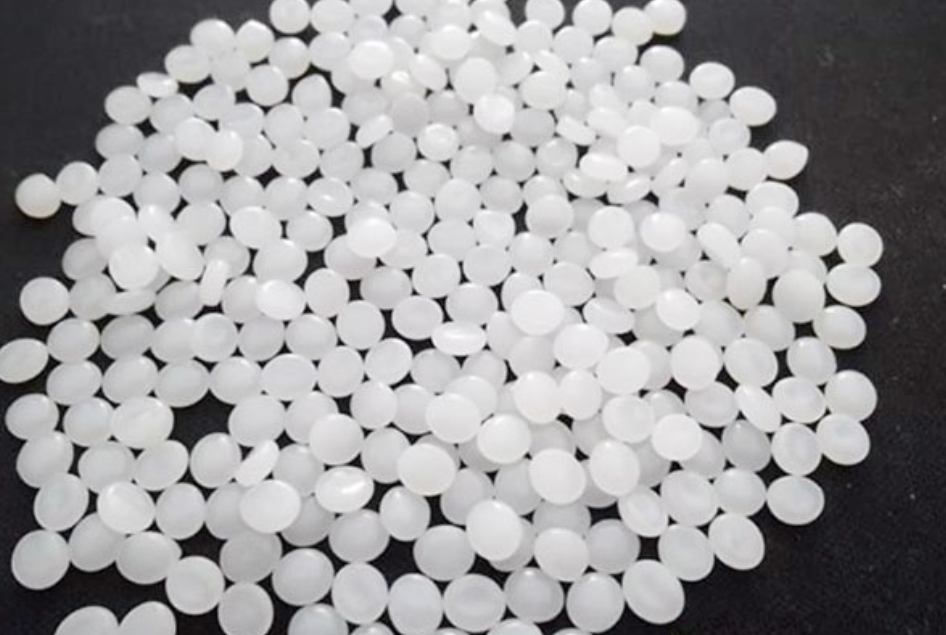
High Density Polyethylene (HDPE)
Found this useful?