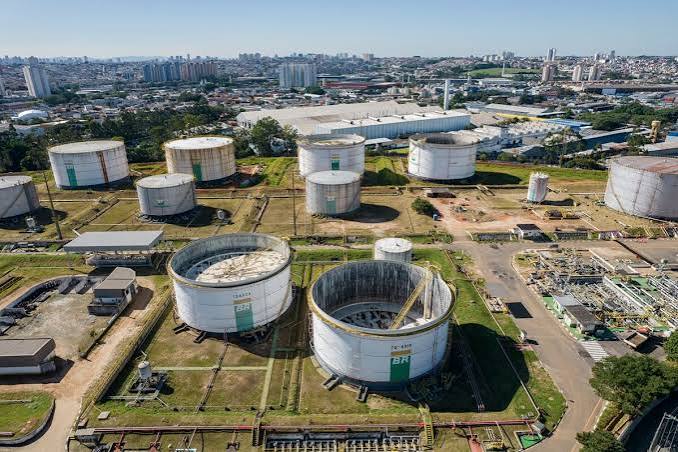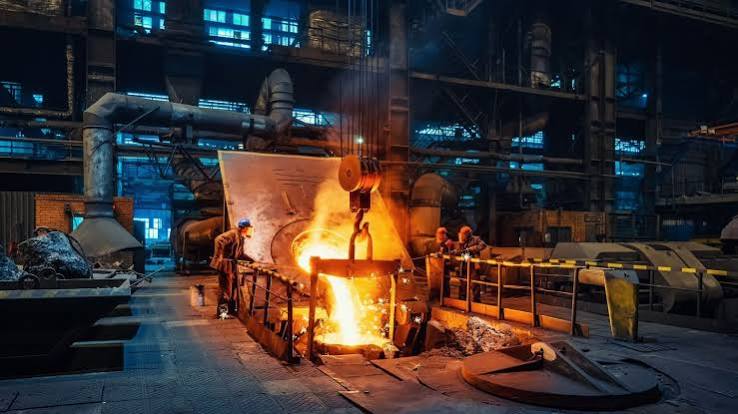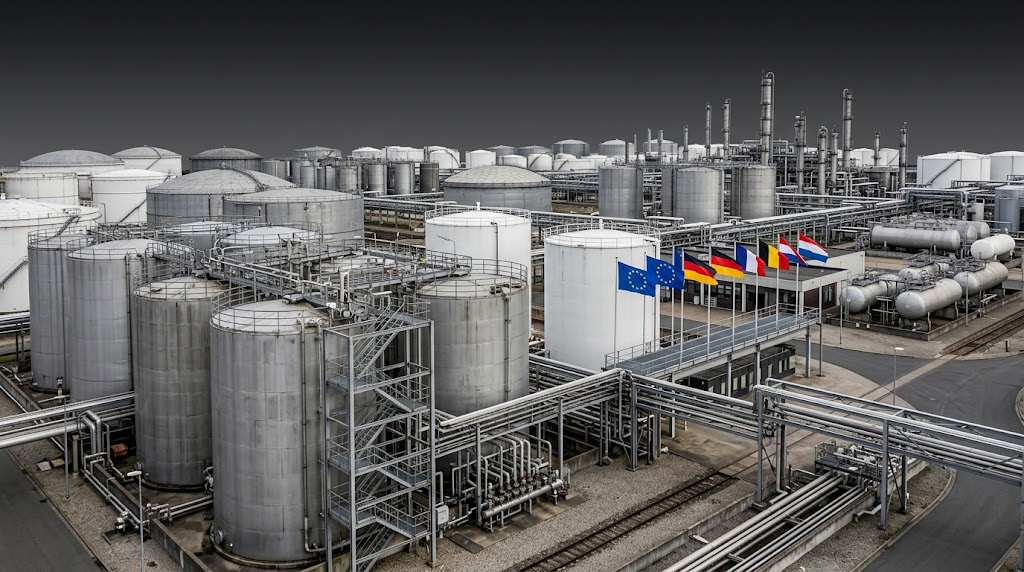
Chinese Chemical Exports to Europe Rise Sharply, Squeezing German Producers
Exports of Chinese chemical producers to Europe have risen sharply, fundamentally reshaping the continental chemical market. German companies now face intensified competition while grappling with a multi-year domestic sales and production downturn. This dual pressure forces procurement managers across Europe to reconsider their sourcing strategies and supplier relationships. The surge in Chinese exports reflects broader shifts in global chemical manufacturing capacity and cost competitiveness. Buyers must understand these market dynamics to secure optimal pricing without compromising supply chain reliability. Strategic sourcing decisions made today will determine competitive positioning for years to come.
Sharp Rise in Chinese Chemical Export Volumes
Chinese chemical manufacturers have dramatically increased their export shipments to European markets over the past eighteen months. This surge represents a significant shift in global trade flows that affects multiple chemical segments simultaneously. Production capacity expansions in China, combined with softer domestic demand, have redirected substantial volumes toward European ports.
Export growth rates have outpaced expectations, with certain commodity chemicals seeing double-digit percentage increases year-over-year.
Port congestion at major European entry points has occasionally delayed shipments, but overall volumes continue climbing steadily.
Price competitiveness remains the primary driver, as Chinese producers leverage economies of scale and integrated production complexes.
European buyers have responded positively to attractive pricing, particularly for bulk chemicals and intermediate products. However, this shift creates complex implications for regional manufacturers and long-term supply chain resilience. Procurement teams must balance immediate cost savings against potential risks associated with extended supply lines and geopolitical tensions.
German Chemical Producers Face Mounting Pressure
German chemical companies, historically the backbone of European manufacturing, now confront an exceptionally challenging operating environment. The sector has endured a multi-year downturn in both domestic sales and production output. Energy costs, regulatory burdens, and weakened industrial demand have eroded competitiveness just as Chinese exports accelerate.
Production facilities across Germany have reduced operating rates or temporarily idled capacity. This contraction threatens the region's chemical self-sufficiency and raises concerns about strategic dependencies. The German Chemical Industry Association (VCI) has repeatedly highlighted these structural challenges in recent policy discussions.
Energy-intensive processes face particular pressure given elevated European natural gas prices compared to Asian alternatives.
Regulatory compliance costs continue rising under EU environmental directives, adding to the competitive burden.
Workforce challenges including skills shortages compound operational difficulties for remaining facilities.
German producers cannot simply match Chinese pricing without unsustainable losses. Instead, many are pivoting toward specialty chemicals and high-value applications where technical expertise and proximity to customers provide defensible advantages. This strategic shift has profound implications for procurement teams sourcing different chemical categories.
Price Competitiveness Driving Procurement Decisions
The price differential between Chinese and European-produced chemicals has widened considerably, creating powerful incentives for buyers to switch suppliers. For many commodity chemicals, Chinese imports now offer cost advantages of 15 to 30 percent compared to European production. This gap proves difficult for procurement managers to ignore, especially under pressure to reduce input costs.
However, the true cost of sourcing extends beyond the invoice price. Buyers must evaluate total landed costs including freight, insurance, customs duties, and inventory carrying expenses. Extended transit times from China also require larger safety stocks, tying up working capital.
Freight volatility can quickly erode initial price advantages when shipping rates spike unexpectedly.
Currency fluctuations between the euro, dollar, and yuan introduce additional financial risk to long-term contracts.
Quality consistency varies among Chinese suppliers, necessitating rigorous vetting and ongoing quality assurance protocols.
Smart procurement teams conduct comprehensive total cost analyses before switching suppliers. They also negotiate flexible contract terms that allow for volume adjustments if market conditions shift. Building relationships with multiple qualified suppliers, both regional and overseas, provides essential optionality.
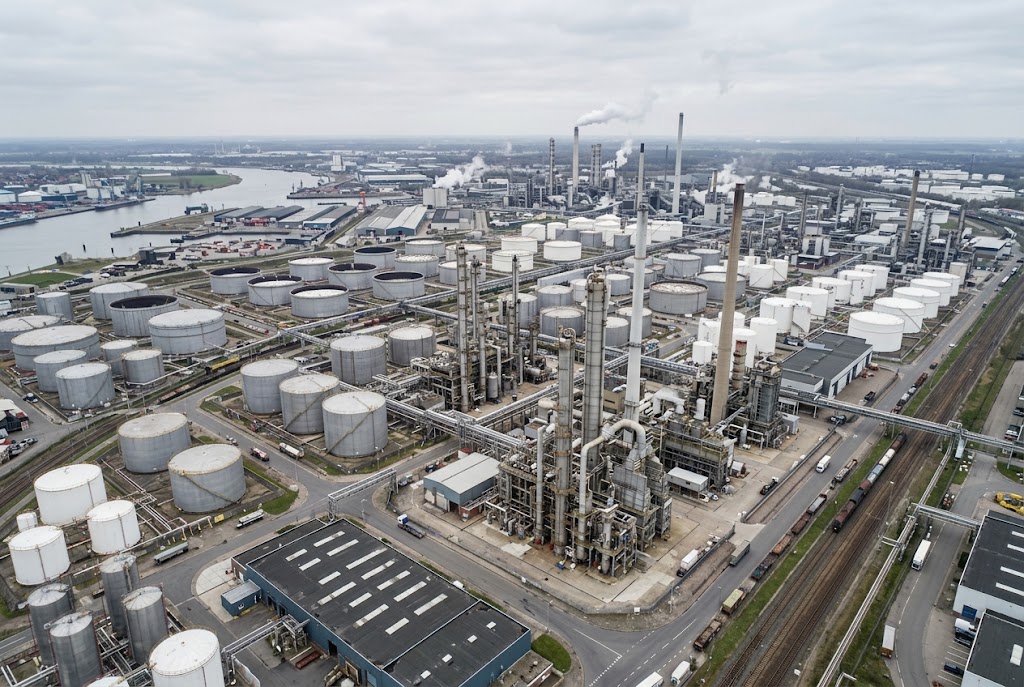
Supply Chain Risks in Extended Sourcing Networks
Relying heavily on Chinese chemical imports introduces distinct supply chain vulnerabilities that procurement professionals must actively manage. The geographical distance, complex logistics, and potential for trade disruptions create risks that differ substantially from regional sourcing. Recent global events have demonstrated how quickly extended supply chains can face unexpected interruptions.
Geopolitical tensions between major economies could result in sudden trade restrictions or tariffs affecting chemical flows. European Union trade defense instruments may target specific chemical categories if dumping or unfair subsidy practices are identified. Such measures could materialize with limited advance notice, disrupting established supply patterns.
Transit time variability means that quality issues or specification deviations are discovered weeks after shipment, complicating resolution.
Port strikes or infrastructure failures in either origin or destination countries can delay critical shipments for extended periods.
Regulatory compliance requirements differ between regions, requiring careful documentation and potential product reformulation.
Diversification remains the most effective risk mitigation strategy. Maintaining qualified suppliers across multiple geographic regions ensures continuity when disruptions occur. Procurement teams should regularly stress-test their supply chains against various disruption scenarios and maintain updated contingency plans.
European Trade Policy and Regulatory Responses
European policymakers are closely monitoring the surge in Chinese chemical imports and its impact on domestic manufacturing. The European Commission has initiated several trade defense investigations covering specific chemical products where injury to EU producers appears evident. These proceedings could result in anti-dumping duties or countervailing measures that alter the competitive landscape.
The EU's Chemical Industry Strategy emphasizes the importance of maintaining production capacity for strategically important chemicals. Policy tools under consideration include carbon border adjustment mechanisms, stricter environmental standards for imports, and support for domestic production modernization. Each of these measures would affect the relative competitiveness of Chinese versus European chemicals.
REACH compliance requirements apply equally to imported and domestically produced chemicals, creating administrative burdens for all suppliers.
Sustainability criteria are increasingly incorporated into public procurement decisions, potentially favoring regional producers with lower transportation emissions.
Trade agreements under negotiation with various partners could open alternative sourcing options beyond China and Europe.
Procurement professionals must stay informed about evolving trade policies that could affect their chemical sourcing strategies. Engaging with industry associations provides early insights into regulatory developments and collective advocacy efforts.
Strategic Sourcing Approaches for Chemical Buyers
Chemical procurement teams must develop sophisticated strategies that balance cost, quality, reliability, and risk in this transformed market environment. A one-size-fits-all approach no longer serves organizations well when market dynamics vary significantly across different chemical categories. Segmentation of the chemical portfolio enables tailored sourcing strategies for different product groups.
For commodity chemicals where specifications are standardized and multiple qualified suppliers exist, competitive bidding between Chinese and European sources makes sense. Buyers can leverage the price competition while maintaining flexibility to shift volumes based on market conditions. However, they should avoid over-concentration with any single supplier or region.
Technical chemicals requiring specific performance characteristics or regulatory approvals may justify paying premium prices for regional suppliers who offer superior technical support and faster response times.
Strategic chemicals critical to core operations warrant dual or triple sourcing arrangements with suppliers in different geographic regions to ensure continuity.
Emerging suppliers in Eastern Europe or other regions may offer intermediate options between Chinese pricing and Western European proximity.
Building strong supplier relationships through transparent communication and fair contracting practices yields long-term benefits. Suppliers who view buyers as strategic partners prioritize their orders during capacity constraints and collaborate on continuous improvement initiatives.
The Bottom Line for European Procurement Teams
The sharp rise in Chinese chemical exports to Europe combined with German production declines creates both opportunities and challenges for chemical buyers. Procurement teams that approach this environment strategically can achieve significant cost savings while maintaining supply chain resilience. Those who focus solely on price without considering total cost and risk exposure may face costly disruptions.
Success requires continuous market monitoring, supplier diversification, rigorous risk assessment, and flexible contracting strategies. Procurement professionals must balance immediate cost pressures with long-term supply security and maintain the agility to adapt as market conditions evolve. The chemical market will continue transforming, and only proactive, informed buyers will thrive.
Ready to source chemicals from verified global suppliers? Explore competitive offers on our platform today.
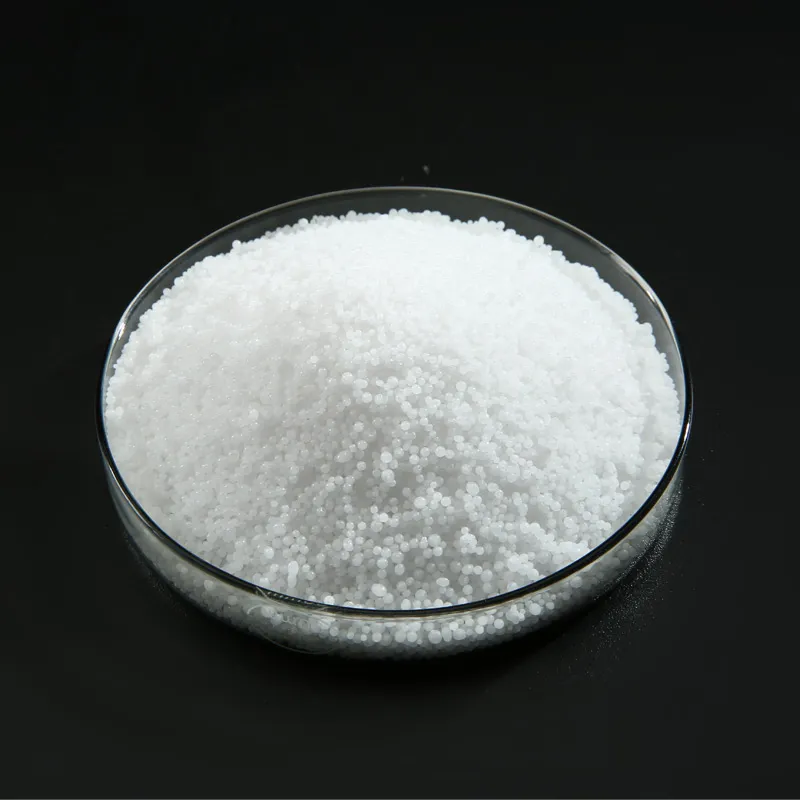
Caustic Soda Pearls - China
Found this useful?