Covestro's Net-Zero MDI Ambitions Set a New Benchmark for Sustainable Pharma-Adjacent Materials
Sustainability is no longer a secondary consideration in the chemical industry—it has become a strategic imperative. As manufacturers across healthcare, pharmaceuticals, and medical technology work toward ambitious environmental goals, the demand for low-carbon, high-performance materials continues to grow. Covestro's commitment to developing net-zero methylene diphenyl diisocyanate (MDI) marks a significant step in this transition, with implications that extend beyond traditional industrial applications into pharmaceutical-adjacent markets.
Although MDI is not used as a pharmaceutical ingredient, it plays a critical role in producing polyurethane materials found in medical devices, pharmaceutical packaging, laboratory infrastructure, and cold-chain logistics. By reducing the carbon footprint of this essential building block, Covestro could help healthcare supply chains move closer to their own sustainability objectives.
Understanding the Importance of MDI
MDI is a key raw material used in the production of polyurethane foams, elastomers, coatings, adhesives, and specialty materials. Its versatility has made it indispensable across numerous industries due to its durability, insulation performance, mechanical strength, and chemical resistance.
Within pharmaceutical-adjacent applications, polyurethane materials derived from MDI are commonly used in:
Medical device components
Pharmaceutical cold-chain packaging
Laboratory furniture and workstations
Cleanroom insulation panels
Protective equipment housings
Equipment seals and gaskets
Healthcare facility insulation systems
These applications require materials that combine high performance with long service life and strict quality standards.
The Shift Toward Net-Zero Chemical Production
Achieving net-zero production involves reducing greenhouse gas emissions throughout the manufacturing process while increasing the use of renewable energy, circular feedstocks, and low-carbon technologies.
For MDI production, this may include:
Renewable electricity integration
Bio-based or circular raw materials
Carbon capture and utilization technologies
Improved manufacturing efficiency
Lower-emission logistics
Resource-efficient production processes
Such innovations help reduce the overall carbon intensity of polyurethane materials without compromising performance.
Sustainability Extends Beyond Pharmaceuticals
Pharmaceutical companies are increasingly evaluating the environmental footprint of their entire value chain—not only active pharmaceutical ingredients (APIs) but also packaging, equipment, facility infrastructure, and supporting materials.
Lower-carbon polyurethane products can contribute to sustainability initiatives in areas such as:
Cold-chain transportation systems
Medical equipment manufacturing
Laboratory operations
Pharmaceutical warehousing
Cleanroom construction
Temperature-controlled storage
By selecting materials with reduced embodied carbon, manufacturers can make measurable progress toward corporate environmental, social, and governance (ESG) goals.
Supporting More Sustainable Medical Devices
Medical device manufacturers face growing pressure to improve sustainability while maintaining strict regulatory and performance standards.
Net-zero MDI-based polyurethane materials may help support:
Lightweight product designs
Durable components with longer service life
Reduced lifecycle emissions
Improved resource efficiency
Compatibility with recycling initiatives
Lower-carbon manufacturing strategies
These advantages align with the industry's increasing focus on lifecycle assessments and environmentally responsible product development.
Supply Chain Collaboration Drives Progress
Achieving meaningful carbon reductions requires collaboration across the chemical value chain.
Material suppliers, converters, distributors, medical device manufacturers, pharmaceutical companies, and healthcare providers all contribute to lowering the environmental impact of healthcare products.
Strategic partnerships can accelerate progress by enabling:
Shared sustainability targets
Improved emissions transparency
Certified low-carbon material sourcing
Circular economy initiatives
Joint product innovation
Responsible procurement practices
Such collaboration is becoming an essential part of modern supply chain management.
Regulatory and Market Drivers
Multiple factors are encouraging greater adoption of sustainable specialty materials:
Global climate commitments
Increasing ESG reporting requirements
Customer demand for lower-carbon products
Healthcare sustainability initiatives
Circular economy regulations
Investor focus on environmental performance
As these trends continue, suppliers capable of offering verified low-carbon materials may gain a competitive advantage in highly regulated industries.
Challenges Along the Path to Net-Zero
Transitioning to net-zero MDI production presents several technical and economic challenges.
Companies must address:
Scaling renewable feedstocks
Managing production costs
Verifying carbon accounting methodologies
Maintaining product quality
Ensuring reliable supply
Meeting evolving regulatory requirements
Successfully overcoming these challenges will require sustained investment in research, manufacturing innovation, and cross-industry collaboration.
The Competitive Advantage of Sustainable Materials
Sustainability is increasingly becoming a differentiator rather than simply a compliance requirement.
Organizations that invest in low-carbon specialty materials may benefit from:
Stronger customer relationships
Enhanced brand reputation
Greater resilience to future regulations
Improved access to sustainability-focused markets
Long-term operational efficiencies
Better alignment with investor expectations
For healthcare manufacturers, these advantages can complement broader initiatives to reduce emissions across the product lifecycle.
As healthcare organizations continue to pursue ambitious decarbonization goals, demand for lower-carbon specialty materials is expected to increase. Suppliers that invest in renewable feedstocks, energy-efficient manufacturing, and circular production models will be well positioned to meet these evolving expectations.
Covestro's focus on net-zero MDI reflects a broader transformation taking place across the specialty chemicals sector—one where sustainability, innovation, and performance are becoming equally important drivers of competitive success. For pharmaceutical-adjacent industries, this evolution represents an opportunity to strengthen supply chain resilience while advancing meaningful environmental progress.
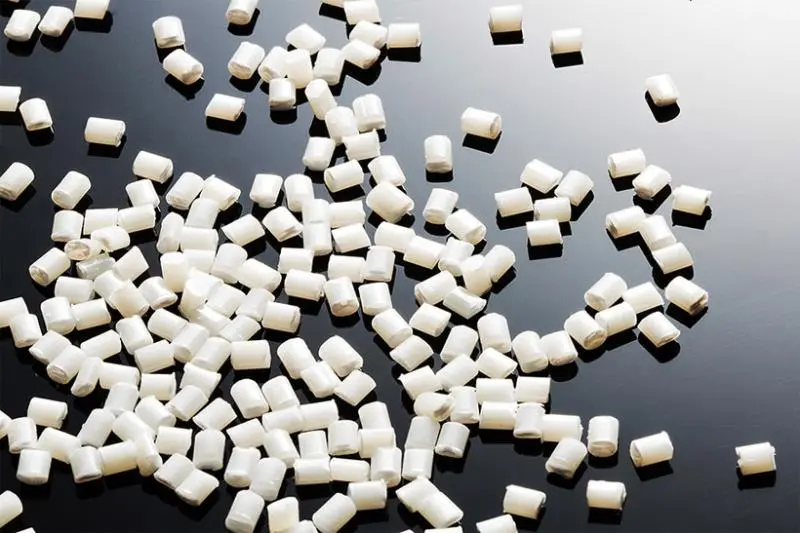
Acrylonitrile Butadiene Styrene (ABS)
Found this useful?