
Citric Acid: Applications in Food, Pharmaceuticals and Industrial Cleaning
Citric Acid: Applications in Food, Pharmaceuticals and Industrial Cleaning
Citric acid is one of the most widely used organic acids in modern industries. Naturally found in citrus fruits such as lemons and oranges, it is commercially produced mainly through microbial fermentation. Its ability to regulate acidity, improve product stability, bind metal ions and remove mineral deposits makes it an important ingredient across several industrial sectors.
From preserving packaged foods to supporting pharmaceutical formulations and cleaning industrial equipment, citric acid offers a combination of functional and economic benefits. Its versatility, water solubility and relatively low toxicity have made it a valuable raw material for manufacturers worldwide.
Understanding Citric Acid and Its Chemical Properties
Citric acid (C₆H₈O₇) is a weak organic acid with a crystalline structure. It is generally available in anhydrous and monohydrate forms, depending on its moisture content and intended application.
Some of its important properties include:
Acidity regulation: Helps control pH levels in different formulations.
Chelating ability: Binds metal ions such as calcium, iron and magnesium.
Water solubility: Dissolves easily in water, making it suitable for liquid formulations.
Flavor enhancement: Provides a sour, refreshing taste in food and beverages.
Descaling properties: Helps dissolve mineral deposits and limescale.
These characteristics make citric acid suitable for applications where acidity control, product stability and mineral removal are essential.
Applications of Citric Acid in the Food Industry
The food and beverage industry is one of the major consumers of citric acid. It is widely used as a food additive, commonly identified by the code E330 in food ingredient labeling.
1. Food Preservation and Shelf-Life Extension
Citric acid helps preserve food quality by lowering pH levels, creating conditions that can limit the growth of certain microorganisms. It is commonly used in fruit products, canned foods, sauces, jams and processed vegetables.
It also helps reduce enzymatic browning in cut fruits by controlling oxidation-related reactions, helping products maintain their appearance during processing and storage.
2. Flavor Enhancement in Food and Beverages
Its naturally sour taste makes citric acid an important ingredient in soft drinks, fruit juices, candies, confectionery and flavored beverages. Manufacturers use it to balance sweetness, enhance fruit flavors and maintain consistent taste profiles.
3. Improving Food Stability
Citric acid can act as a chelating agent by binding certain metal ions that contribute to oxidation and quality deterioration. This helps protect flavor, color and product stability in suitable food formulations.
It is also used in dairy products, frozen foods and other processed food applications where controlled acidity is important.
Applications of Citric Acid in the Pharmaceutical Industry
Citric acid plays an important role in pharmaceutical manufacturing because of its acidity-regulating and formulation-supporting properties. It is used in various medicines and healthcare products.
1. Pharmaceutical Formulations and pH Adjustment
Manufacturers use citric acid to adjust and maintain the pH of pharmaceutical products. Proper pH control can support ingredient stability, solubility and compatibility within a formulation.
It is commonly found in selected oral liquids, syrups and other pharmaceutical preparations.
2. Effervescent Tablets and Powders
One of the familiar pharmaceutical applications of citric acid is in effervescent tablets and powders. When combined with sodium bicarbonate and exposed to water, it produces carbon dioxide, creating the characteristic fizz.
This reaction helps tablets or powders dissolve and disperse in water before consumption.
3. Supporting Drug Stability and Formulation Quality
Citric acid can function as a buffering or chelating agent in selected pharmaceutical formulations. By helping control pH and bind certain metal ions, it can contribute to formulation stability and product quality.
Its suitability depends on the active pharmaceutical ingredient, formulation design and applicable pharmaceutical standards.
Applications of Citric Acid in Industrial Cleaning
Beyond food and healthcare, citric acid is an effective ingredient in industrial and institutional cleaning products. Its ability to bind metal ions and dissolve mineral deposits makes it particularly useful for descaling applications.
1. Removing Limescale and Mineral Deposits
Industrial equipment, boilers, heat exchangers and water systems can accumulate mineral deposits over time. These deposits may reduce heat-transfer efficiency, restrict water flow and increase maintenance costs.
Citric acid helps dissolve calcium-based deposits and other mineral buildup, making it useful in selected descaling formulations.
2. Cleaning Metal Surfaces and Equipment
Citric acid is used in certain metal-cleaning and surface-treatment processes to remove rust-related residues, oxides and mineral contamination. Its chelating properties help bind metal ions and support cleaning operations.
However, compatibility testing is essential because acidic solutions may affect sensitive metals, coatings and equipment components.
3. Formulating Industrial Cleaning Products
Manufacturers incorporate citric acid into cleaning agents, detergents and descaling solutions to improve their ability to remove hard-water deposits and mineral stains.
It can also serve as an alternative to certain stronger mineral acids in applications where formulation requirements and material compatibility allow its use.
Benefits of Citric Acid Across Different Industries
The growing use of citric acid is supported by several functional advantages:
Versatility: Suitable for food, pharmaceutical, personal care and industrial applications.
Effective pH control: Helps manufacturers maintain the required acidity of different products.
Chelating performance: Binds metal ions that may interfere with product quality or cleaning efficiency.
Water solubility: Makes it convenient to incorporate into various liquid and powder formulations.
Broad availability: Commercial production through fermentation supports its use in large-scale manufacturing.
Multiple formulation options: Available in different grades and physical forms for specific industrial requirements.
Although citric acid is widely considered a useful alternative in many formulations, manufacturers must select the appropriate grade and follow the relevant industry standards.

Factors to Consider When Sourcing Citric Acid
For manufacturers and procurement teams, selecting the right citric acid supplier is important for maintaining consistent production quality.
Before purchasing, businesses should consider:
Product grade: Determine whether food-grade, pharmaceutical-grade or industrial-grade material is required.
Purity specifications: Review the certificate of analysis (COA) and relevant product specifications.
Physical form: Choose between anhydrous and monohydrate citric acid according to formulation requirements.
Regulatory compliance: Verify applicable food safety, pharmaceutical and chemical handling requirements.
Packaging and storage: Check moisture protection, packaging integrity and recommended storage conditions.
Supplier reliability: Evaluate product consistency, documentation, delivery timelines and supply capacity.
Reliable sourcing helps manufacturers reduce quality variations, maintain operational efficiency and support uninterrupted production.
The Growing Importance of Citric Acid in Chemical Manufacturing
Citric acid continues to serve as an important ingredient across food processing, pharmaceutical manufacturing and industrial cleaning. Its ability to regulate acidity, support product stability and remove mineral deposits makes it a practical solution for a wide range of industrial requirements.
As manufacturers increasingly evaluate product performance, regulatory compliance and more sustainable formulation choices, citric acid remains a relevant raw material in the global chemical supply chain. Selecting the appropriate grade and a reliable supplier is essential to achieving consistent results across different applications.
For businesses looking to source citric acid, choosing a supplier with verified quality specifications, reliable documentation and consistent availability can help strengthen procurement and manufacturing operations.
Sources and References
PubChem – Citric Acid: https://pubchem.ncbi.nlm.nih.gov/compound/Citric-Acid
FDA – Food Additive Status List: https://www.fda.gov/food/food-additives-petitions/food-additive-status-list
EFSA – Food Additives: https://www.efsa.europa.eu/en/topics/topic/food-additives
European Chemicals Agency (ECHA): https://echa.europa.eu/
JECFA – Food Additives Specifications: https://www.fao.org/food/food-safety-quality/scientific-advice/jecfa/en/
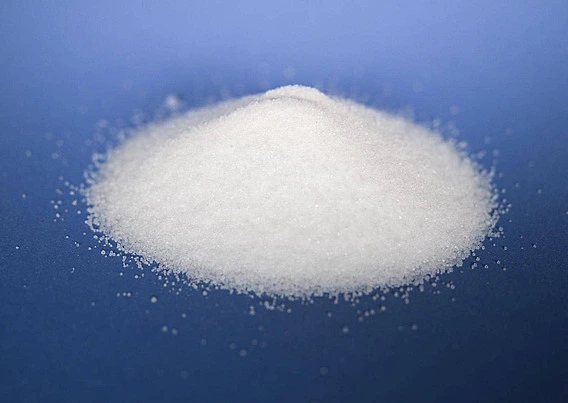
Citric Acid Monohydrate (E330)
Found this useful?