Clariant Expands High-Performance Catalyst Production in China for Green Hydrogen and Ammonia
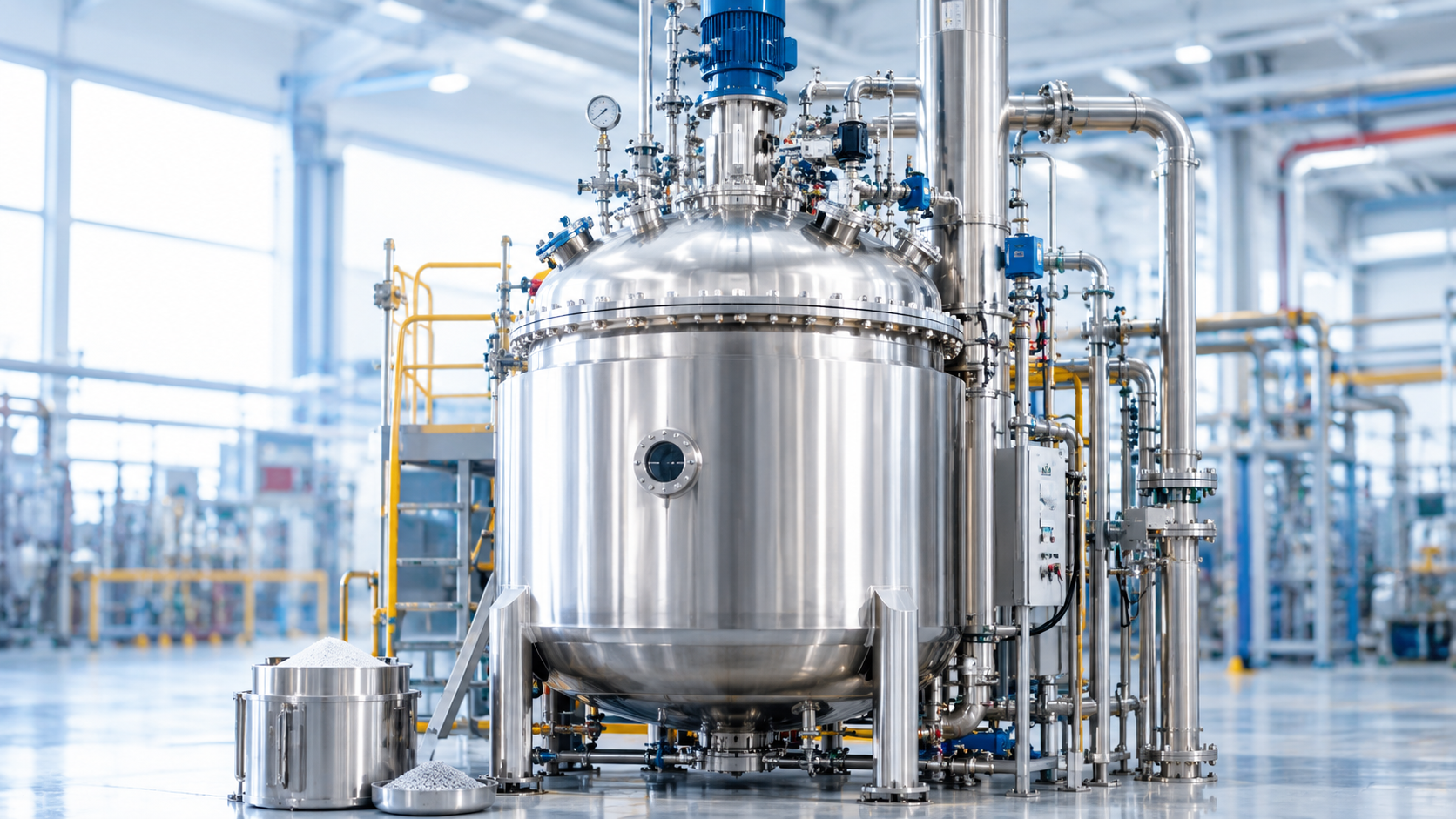
Clariant is expanding its catalyst manufacturing footprint in China as demand from Asia's green hydrogen and ammonia sectors accelerates. The new production line will focus on high-performance industrial catalysts designed to help reduce emissions across energy-intensive processes.
For chemical traders, procurement managers and industrial buyers, the expansion signals a broader shift in catalyst supply chains. Local production capacity can influence sourcing flexibility, delivery times and access to technologies needed for lower-emission hydrogen and ammonia production.
The development also highlights the growing importance of catalysts in Asia's energy transition. As producers scale new hydrogen and ammonia projects, catalyst availability will become increasingly relevant to plant efficiency, emissions performance and long-term operating costs.
Why Catalyst Production Matters for Green Hydrogen
Catalysts play a central role in several processes associated with hydrogen production, conversion and downstream chemical manufacturing. They help accelerate chemical reactions while controlling operating conditions, making catalyst selection an important factor in industrial plant performance.
Green hydrogen projects typically use renewable electricity to power water electrolysis. The resulting hydrogen can then support industrial applications directly or serve as a feedstock for ammonia production.
For procurement teams, catalyst requirements extend beyond simply buying a chemical product. Buyers must consider technical specifications, operating conditions, compatibility with existing equipment and expected service performance.
Clariant's expanded manufacturing presence in China places greater emphasis on regional supply capabilities. This can become particularly relevant as Asian hydrogen and ammonia projects move from development into larger commercial-scale operations.
China's Growing Role in the Asian Catalyst Supply Chain
China has become an important manufacturing center for chemicals, industrial materials and process technologies. Expanding catalyst production within the country gives manufacturers greater proximity to customers across Asia.
A regional production footprint can support several procurement priorities:
Shorter supply routes: Local manufacturing can reduce dependence on long international supply chains for selected catalyst requirements.
Regional availability: Buyers may gain access to catalyst products closer to major hydrogen, ammonia and chemical production hubs.
Supply planning: Additional manufacturing capacity can give industrial customers more options when managing production schedules and inventory requirements.
Technology access: Local production can support the adoption of advanced catalyst technologies in rapidly developing industrial markets.
For traders, the development also creates opportunities to monitor demand from new hydrogen and ammonia projects. Catalyst requirements can emerge at different stages, from new plant construction to replacement cycles and process optimization.
Emission Reduction Is Becoming a Catalyst Purchasing Factor
Industrial catalysts increasingly influence more than reaction efficiency. Their role in improving process performance can also affect emissions, energy consumption and resource utilization.
For ammonia producers, catalyst technology is closely connected with the efficiency of chemical conversion processes. Hydrogen producers and other industrial users likewise evaluate catalysts based on their ability to support reliable operation under demanding process conditions.
Emission reduction is therefore becoming an increasingly important procurement consideration. Buyers may need to evaluate catalyst performance alongside conventional factors such as price, availability and delivery terms.
This shift can change purchasing discussions between suppliers and industrial customers. Instead of treating catalysts as standard consumables, procurement teams may assess them as process-critical materials that contribute to broader operational and environmental targets.
What the China Expansion Means for Industrial Buyers
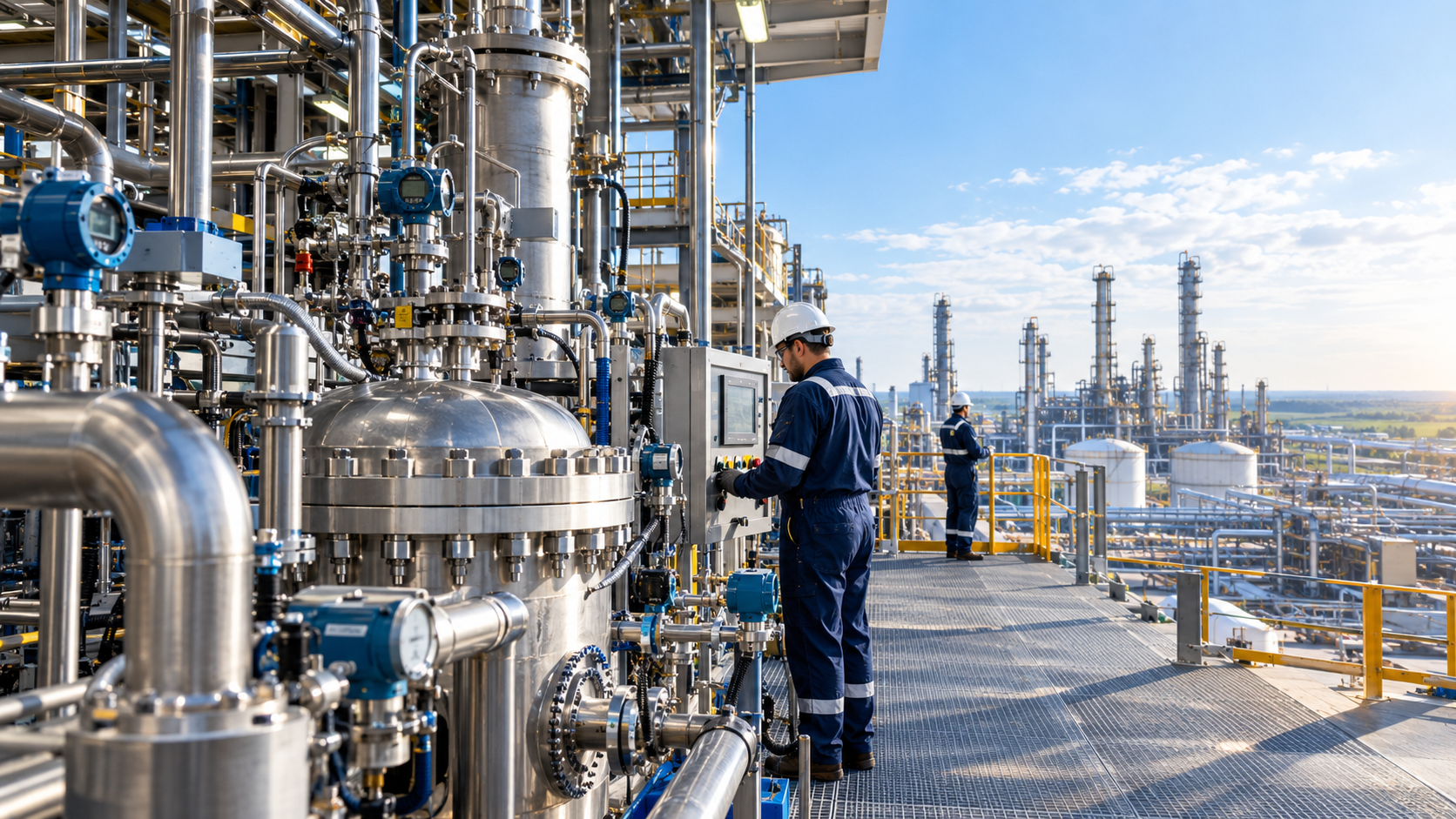
The expansion gives buyers another factor to consider when developing catalyst sourcing strategies for Asian markets. Regional production can become especially relevant for customers that need consistent supply across multiple production sites.
Procurement teams should evaluate catalyst suppliers through both commercial and technical criteria. Key considerations include:
Product specifications: Confirm catalyst composition, physical form, performance characteristics and compatibility with the intended process.
Production capacity: Understand whether the supplier can support current requirements and potential volume increases.
Supply continuity: Assess production redundancy, inventory arrangements and logistics capabilities.
Technical support: Determine whether the supplier provides application guidance, commissioning assistance or performance support where required.
Lifecycle economics: Compare the purchase price with catalyst lifetime, replacement frequency, process efficiency and potential operating benefits.
A lower unit price does not automatically represent a lower overall procurement cost. Catalyst performance can influence plant economics over an extended operating period, making total cost evaluation important for industrial buyers.
Green Hydrogen and Ammonia Create New Catalyst Demand
The expansion of green hydrogen capacity across Asia could support demand for a wider range of specialized process materials. Hydrogen production itself represents one part of the value chain, while ammonia provides an important route for hydrogen storage, transportation and industrial use.
Ammonia production also serves established markets including fertilizers and chemicals. As producers introduce lower-carbon production routes, catalyst technologies can become part of efforts to improve process efficiency and reduce associated emissions.
Several demand drivers can therefore operate at the same time:
New green hydrogen facilities can create requirements for process-specific catalyst technologies.
Ammonia producers can seek improved catalyst performance as they modernize or expand plants.
Existing chemical facilities can replace catalysts as part of routine maintenance and process optimization.
Regional industrial investment can increase demand for locally available specialty process materials.
This combination gives catalyst suppliers access to both emerging clean-energy applications and established chemical manufacturing markets.
Procurement Risks to Monitor Across Asian Supply Chains
Greater regional production does not remove the need for careful supply-chain management. Buyers still need to evaluate technical consistency, production reliability, transportation arrangements and commercial terms before placing long-term orders.
Catalysts can also have highly specific performance requirements. Substituting one product for another may require technical evaluation rather than a straightforward purchasing decision.
Procurement teams should pay particular attention to:
Specification consistency: Changes in catalyst composition or physical characteristics can affect process performance, so buyers should maintain clear technical specifications.
Supplier qualification: New regional suppliers may require technical and commercial qualification before they become part of an approved vendor network.
Delivery planning: Catalyst requirements often depend on plant schedules, maintenance windows and commissioning plans. Late deliveries can disrupt industrial operations.
Documentation: Buyers should maintain appropriate technical documentation, safety information and quality records for every catalyst shipment.
For international traders, these requirements make supplier verification particularly important. A supplier's ability to meet a specification consistently can matter as much as its quoted price.
How the Expansion Could Shape Catalyst Trade in Asia
The new manufacturing line adds capacity within one of the world's most important chemical production regions. As green hydrogen and ammonia investment grows, regional catalyst manufacturing could increasingly support local and cross-border supply.
For importers and exporters, this creates a market where proximity and technical capability may influence trade flows alongside traditional cost considerations. Buyers may also compare domestic and international sources depending on application requirements, delivery schedules and project location.
The development can also encourage closer integration between catalyst manufacturers and industrial customers. Technical collaboration can help producers adapt catalyst solutions to specific process requirements while giving buyers greater visibility into performance and supply planning.
For chemical traders, understanding these relationships can help identify demand before it appears as a conventional spot-market opportunity. New hydrogen and ammonia projects often generate procurement requirements across multiple categories, with catalysts representing one specialized part of a broader industrial supply chain.
What Buyers Should Do Now
The expansion of high-performance catalyst production in China reflects the changing requirements of Asia's hydrogen and ammonia industries. As producers pursue larger-scale projects and lower-emission processes, catalyst supply will become increasingly connected with plant performance and procurement planning.
Buyers can prepare by building supplier networks that combine technical capability with dependable commercial execution. Comparing specifications, production capacity, delivery options and lifecycle economics can provide a stronger basis for sourcing decisions than unit price alone.
For traders and procurement professionals, the wider opportunity lies in tracking where hydrogen and ammonia capacity is developing and understanding which process materials those projects will require. This approach can help buyers respond more effectively as regional industrial investment creates new demand for specialized catalysts and related chemicals.
Ready to source Ammonia Anhydrous from verified global suppliers? Explore competitive offers on our platform today.
Sources:
https://chemxplore.com/news/clariant-catalyst-production-expansion-china
Ammonia Anhydrous
Found this useful?