The characterization of CO2 electrolysis as "the improbable moonshot with potential to revolutionize chemicals" captures both the technology's ambitious promise and the substantial skepticism it faces from industry practitioners. The concept involves using electricity to convert carbon dioxide and water into valuable chemicals including ethylene, ethanol, methanol, carbon monoxide and formic acid. For chemical procurement teams managing feedstock strategies and buyers tracking decarbonization pathways, distinguishing between realistic near-term possibilities and speculative long-term potential becomes critical as vendors, startups and research institutions make increasingly bold claims about commercial timelines.
The technology sits at an inflection point in 2026. Laboratory demonstrations show impressive selectivity and efficiency gains compared to systems just five years ago. Pilot facilities are operating at scales that prove continuous operation is feasible. Yet massive gaps remain between pilot performance and the productivity, cost structure and reliability that commercial chemical manufacturing requires.
What CO2 Electrolysis Actually Does
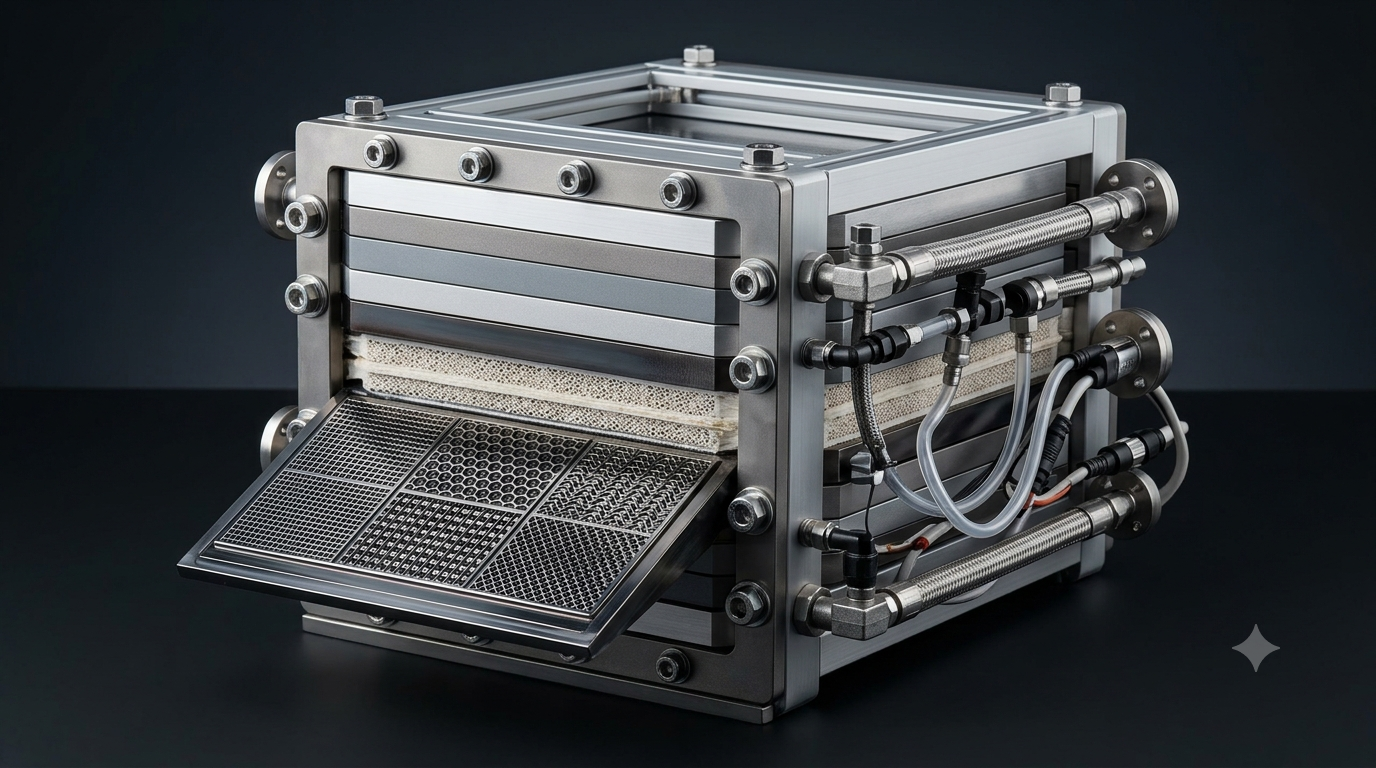
CO2 electrolysis uses electrical current to drive chemical reactions that would not occur spontaneously. An electrochemical cell contains two electrodes separated by an electrolyte solution or membrane. Carbon dioxide feeds to the cathode where electrons supplied by electrical current reduce CO2 molecules into various carbon-containing products depending on catalyst composition, applied voltage and operating conditions.
The anode simultaneously oxidizes water to produce oxygen and protons that maintain charge balance. The overall process consumes electricity, water and carbon dioxide while producing the target chemical product plus oxygen as a byproduct.
Different catalyst materials and cell configurations favor different products. Copper-based catalysts can produce ethylene, ethanol or propanol. Silver or gold catalysts favor carbon monoxide production. Tin or bismuth catalysts generate formate or formic acid. Research groups continuously discover new catalyst formulations claiming improved selectivity, reduced overpotential or enhanced stability.
The appeal lies in the potential to replace fossil carbon feedstocks with captured CO2 and renewable electricity. A chemical plant powered by solar or wind energy could theoretically produce ethylene or methanol from air-captured CO2 rather than from natural gas liquids or petroleum, creating a carbon-neutral or even carbon-negative production pathway.
Why It's Called an Improbable Moonshot
The "improbable" qualifier reflects formidable technical and economic barriers that may prove insurmountable at commercial scale despite laboratory progress. Current CO2 electrolysis systems operate at current densities far below what industrial electrochemical processes like chlor-alkali or aluminum production achieve. Low current density means large electrode areas and massive capital costs for equipment capable of producing commercially relevant volumes.
Catalyst stability remains problematic. Materials that show excellent performance in laboratory tests often degrade within hours or days of continuous operation as catalyst particles sinter, active sites poison or electrode structures corrode. Industrial chemical processes require catalyst lifetimes measured in years, not hours.
Product separation and purification create additional challenges. CO2 electrolysis typically produces dilute aqueous streams containing mixtures of products plus unreacted feedstocks and electrolyte salts. Separating and purifying target molecules to the specifications chemical buyers require consumes energy and adds cost that laboratory studies often ignore when reporting process economics.
Energy efficiency improvements have been dramatic but remain insufficient. The electricity consumed per kilogram of product still exceeds the energy content of that product by factors of two to five depending on the target molecule. This thermodynamic penalty means CO2 electrolysis will always require cheap electricity to compete economically with fossil-derived alternatives.
Current Commercial Reality in 2026
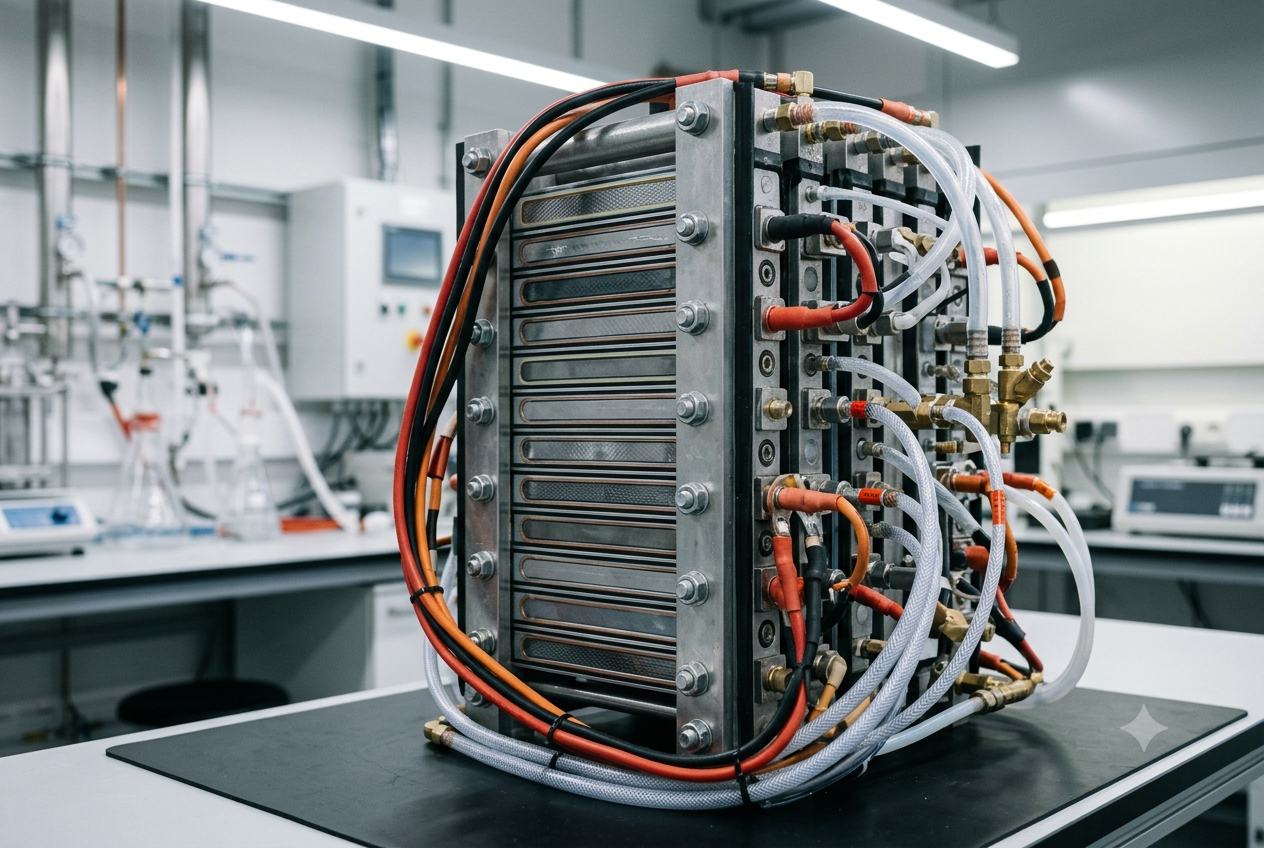
No CO2 electrolysis facility operates at truly commercial scale producing chemicals for sale into commodity or specialty markets. The largest installations remain pilot or demonstration facilities operating at tons-per-year rather than kilotons-per-year scales that define commercial chemical production.
Several companies including Twelve, LanzaTech, Opus 12 (now part of Twelve) and Dioxide Materials have demonstrated continuous operation at pilot scale. These facilities validate that the technology can run for extended periods and produce material in quantities sufficient for customer sampling and application testing.
Twelve has probably advanced furthest toward commercialization with announced partnerships targeting sustainable aviation fuel production from CO2-derived ethylene. The company operates pilot facilities and has secured significant venture capital and strategic investment from aviation industry participants motivated by carbon reduction mandates.
However, none of these ventures has published detailed economics showing that their processes can produce ethylene, ethanol or other products at costs competitive with conventional production even when carbon pricing or regulatory credits are included. The absence of such data suggests that economic viability remains elusive at current technology performance levels.
Academic and national laboratory research continues to produce papers claiming breakthrough catalysts or cell designs, but the gap between published laboratory results and commercially viable processes remains wide. Many published studies operate cells for only hours or days, use expensive catalyst materials that cannot scale economically and report efficiency metrics that exclude downstream separation and purification energy requirements.
The Chemistry and Engineering Challenges
CO2 electrolysis must overcome fundamental chemical and engineering obstacles that have no obvious solutions. CO2 is an extremely stable molecule requiring substantial energy input to activate for chemical conversion. The strong carbon-oxygen bonds that make CO2 stable also make it difficult to reduce to useful products.
Competing reactions create selectivity problems. At the cathode, hydrogen evolution from water reduction competes with CO2 reduction. Most catalysts produce multiple carbon products simultaneously rather than selectively generating a single target molecule. Achieving 90% selectivity toward a desired product represents excellent performance in research papers but creates significant separation costs in industrial practice.
Mass transport limitations constrain productivity. CO2 has low solubility in aqueous electrolytes, limiting how fast it can reach catalyst surfaces. Increasing CO2 pressure improves solubility but requires pressure-rated equipment and more energy for gas compression. Using gas diffusion electrodes that feed CO2 directly to catalyst surfaces without requiring dissolution improves mass transport but introduces durability challenges as these electrodes degrade faster than submerged configurations.
Temperature management becomes critical at industrial scale. Electrochemical reactions generate heat that must be removed to maintain optimal operating conditions. Cooling systems add capital cost and energy consumption. High temperatures accelerate catalyst degradation but low temperatures reduce reaction kinetics and efficiency.
Economic Hurdles Versus Established Processes
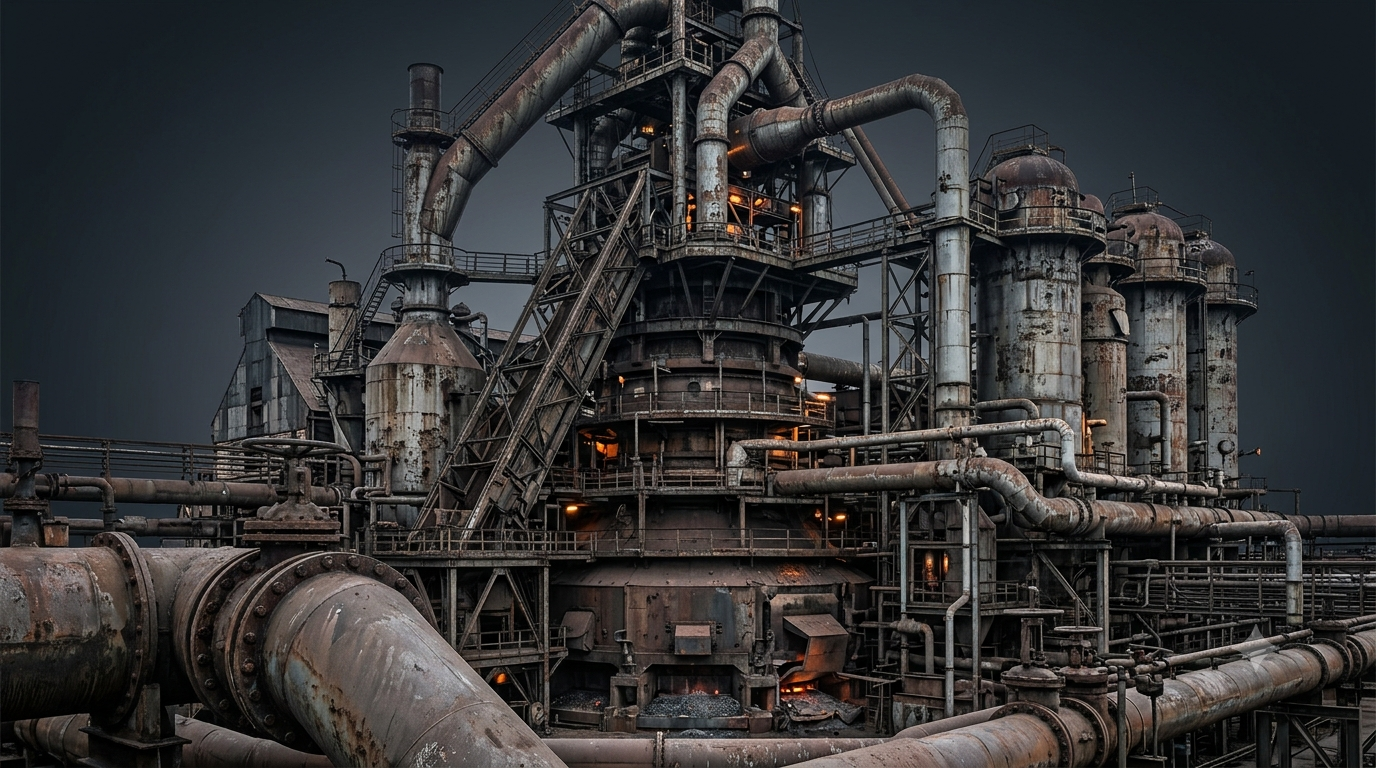
Chemical buyers evaluating whether CO2 electrolysis could eventually supply their feedstock needs must understand the economic comparison against established production routes. Ethylene from steam cracking costs roughly $800 to $1,200 per ton depending on feedstock prices and regional energy costs. Methanol from natural gas costs $250 to $400 per ton using mature, highly optimized processes.
CO2 electrolysis proponents claim their technology could achieve cost parity with fossil routes when powered by cheap renewable electricity priced at $0.02 to $0.03 per kilowatt-hour and when carbon prices reach $100 to $150 per ton making fossil alternatives more expensive. These assumptions deserve scrutiny.
Electricity at $0.02 per kilowatt-hour exists only in limited geographies with exceptional renewable resources including Iceland, parts of Scandinavia and select locations with abundant hydroelectric capacity. Most regions face electricity costs of $0.05 to $0.15 per kilowatt-hour even for renewable power, fundamentally changing the economics.
Carbon prices at $100 to $150 per ton exist only in limited jurisdictions. The EU Emissions Trading System reached €100 per ton in 2023 but subsequently declined. Most regions including the United States have no meaningful carbon pricing. CO2 electrolysis economics that depend on high carbon prices assume policy environments that may not materialize on timelines relevant for capital investment decisions.
Capital intensity represents another major hurdle. A commercial-scale facility producing 100,000 tons per year of ethylene via CO2 electrolysis might require $500 million to $1 billion in capital based on current technology. A steam cracker of equivalent capacity costs $1 billion to $2 billion but produces multiple co-products and benefits from decades of engineering optimization that CO2 electrolysis lacks.
Who Is Actually Investing and Why
Investment in CO2 electrolysis comes from several sources with different motivations and risk tolerances. Venture capital firms seeking breakthrough technologies invest in companies like Twelve and Dioxide Materials betting that performance improvements and favorable regulatory environments will eventually enable commercial success. These investors accept high failure risk pursuing high return potential.
Corporate venture arms from oil and gas companies, chemical manufacturers and airlines invest strategically to access potential future technologies that could help meet decarbonization commitments. These investments hedge against scenarios where carbon regulations make fossil feedstocks economically unviable and where first-mover advantages in low-carbon chemicals create competitive differentiation.
Government agencies including the U.S. Department of Energy, European Innovation Council and national research funding bodies support research and pilot projects viewing CO2 utilization as part of broader climate mitigation strategies. Public funding de-risks early-stage technology development that private capital avoids.
The investment levels remain modest compared to established chemical industry capital spending. Total global venture capital investment in CO2 electrolysis companies probably totals $500 million to $1 billion across all companies and time periods. This compares to individual chemical plant projects routinely costing $1 billion to $5 billion, illustrating that CO2 electrolysis remains a small-scale experimental technology.
Application Potential Across Chemical Categories
If technical and economic challenges get solved, CO2 electrolysis could theoretically address multiple chemical market segments. Ethylene production represents the largest potential opportunity given that ethylene is the highest-volume petrochemical globally with annual production exceeding 200 million tons. Even capturing 1% of this market would require massive scale-up from current pilot facilities.
Methanol and carbon monoxide production face less severe technical challenges because these single-carbon molecules require fewer reduction steps than multi-carbon products like ethylene. Several companies focus on CO or methanol as initial commercialization targets before attempting more complex molecules.
Specialty chemicals including formic acid, acetic acid, ethanol and propanol represent smaller markets where price sensitivity is lower and where sustainability attributes might justify premium pricing. These applications could provide initial commercial toeholds without requiring commodity-scale cost competitiveness.
Sustainable aviation fuel (SAF) has emerged as a priority application because aviation faces limited decarbonization options and because regulatory mandates in Europe and potentially the U.S. create guaranteed demand for low-carbon fuels regardless of price premiums. CO2-derived ethylene or ethanol could serve as SAF precursors, creating a potentially viable business model.
The actual sequence of commercialization will likely follow a pattern where initial applications target high-value products or regulatory-driven markets willing to pay premiums, with commodity chemical applications coming later only if costs decline dramatically through technology improvement and manufacturing scale.
What Separates Hype from Progress
Chemical buyers and procurement teams evaluating vendor claims about CO2 electrolysis should apply several filters to distinguish credible progress from hype. First, demand data on continuous operation duration. Laboratory experiments running for hours prove little. Pilot facilities operating continuously for thousands of hours demonstrate meaningful progress toward commercial viability.
Second, ask about current density and productivity metrics. Systems operating below 200 milliamps per square centimeter cannot achieve commercial economics regardless of other performance parameters. Commercial electrolysis processes typically operate at 500 to 2,000 milliamps per square centimeter.
Third, require full lifecycle cost analysis including feedstock costs, electricity consumption, capital depreciation, maintenance and product separation and purification. Many published studies report only the electrochemical conversion efficiency while ignoring downstream costs that can dominate total economics.
Fourth, evaluate catalyst stability data. Claims based on 100-hour tests mean little when industrial processes require years of operation. Ask whether catalyst costs are included in economic projections and whether catalyst replacement frequency is realistic for commercial operation.
Fifth, assess the credibility of partnership announcements. A pilot project or joint development agreement differs fundamentally from an offtake commitment or commercial supply contract. Many companies announce partnerships that involve minimal commercial commitment from the industrial partner.
Sixth, examine the source of performance improvement claims. Advances from peer-reviewed publications in respected journals carry more weight than company press releases lacking independent validation.
Realistic Assessment for Procurement Planning
Chemical procurement teams managing five-year and ten-year sourcing strategies should treat CO2 electrolysis as a technology to monitor rather than one to incorporate into near-term planning. The probability that commercially significant volumes of CO2-electrolysis-derived chemicals become available before 2030 remains low given current technical maturity and economic gaps.
Buyers operating in jurisdictions with aggressive carbon reduction mandates including the EU should maintain awareness because regulatory changes could create market opportunities for high-cost low-carbon chemicals faster than pure economics would support. Early adopters of sustainable aviation fuel, green chemicals for consumer products or other sustainability-marketed applications may accept cost premiums that make early CO2 electrolysis products viable in niche markets.
Long-term strategic planning should consider scenarios where breakthrough improvements in catalyst performance, cell design or systems integration enable dramatic cost reductions. Such breakthroughs are possible but not predictable. Procurement strategies should maintain flexibility to incorporate new supply options if they emerge while avoiding dependence on technologies that may never achieve commercial viability.
Engagement with companies developing CO2 electrolysis provides visibility into progress and positioning to access early production if commercialization succeeds. This engagement should be exploratory and low-commitment rather than involving substantial resource allocation or long-term supply dependencies.
Looking Ahead: Realistic Commercial Timelines
The "moonshot" characterization of CO2 electrolysis captures the reality that revolutionary impacts require extraordinary technological advancement from current baselines. The chemistry is real and progress is measurable, but the distance from today's pilot facilities to tomorrow's commercial plants producing millions of tons annually remains vast.
Optimistic scenarios see initial commercial facilities in specialized applications operational by 2028 to 2030, producing thousands to tens of thousands of tons annually rather than the hundreds of thousands to millions of tons that commodity chemical markets require. These facilities would likely require substantial subsidies, carbon credits or premium pricing to achieve economic viability.
Broader commercialization displacing significant fossil-derived chemical production likely extends to 2035 or beyond, contingent on continued technology improvement, favorable regulatory environments and sustained investment despite early commercial challenges. Many technologies that looked promising at pilot scale have failed to commercialize due to insurmountable economic or technical barriers encountered during scale-up.
Chemical buyers should maintain informed skepticism, recognizing that transformative potential exists alongside substantial probability of commercial failure or relegation to small niche markets. The revolution may come, but procurement decisions made today should not depend on its arrival.
Ready to source Ethyl Acetate from verified global suppliers? Explore competitive offers on our platform today.