CO2 Utilization as Feedstock: The Next Generation Carbon Capture Chemicals Race
Market research on next generation feedstocks projects a robust future for carbon utilization. The segment converting biomass waste and captured carbon dioxide into chemicals will grow at over 16 percent CAGR through the mid 2030s. This rapid expansion signals a fundamental shift in how the industry views carbon emissions. What was once considered waste is now a valuable raw material for synthesis. Procurement teams must distinguish between hype and reality in this emerging sector. Understanding which technologies are commercially viable versus those still in demonstration is critical for strategic sourcing.
The Commercial Reality of CO2 to Chemicals
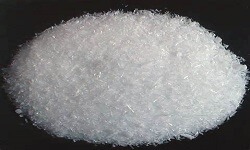
Several pathways for converting carbon dioxide into chemicals have already reached commercial scale. These processes rely on mature catalytic technologies and established market demand. Urea production remains the largest existing application of CO2 utilization. The reaction between ammonia and carbon dioxide creates a stable nitrogen fertilizer used globally. While this process has existed for decades it represents the baseline for industrial carbon consumption.
Methanol synthesis from captured CO2 is another commercially operating route. Several plants worldwide now produce renewable methanol by hydrogenating carbon dioxide. This green methanol serves as a feedstock for formaldehyde and other derivatives. It also finds use as a low-carbon fuel blend component. The technology leverages existing infrastructure with minor modifications for carbon capture integration.
Urea manufacturing consumes millions of tons of CO2 annually for fertilizer production.
Renewable methanol synthesis uses green hydrogen to convert CO2 into liquid fuel.
Polycarbonate polyols utilize CO2 to create flexible foam for furniture and automotive seats.
Mineralization processes trap CO2 in solid aggregates for construction materials.
Technologies Still in the Demonstration Phase
Many promising CO2 utilization routes remain in pilot or demonstration stages. These technologies face hurdles related to catalyst efficiency energy intensity and economic viability. Electrochemical reduction of CO2 to ethylene or ethanol shows great promise but lacks scale. High electricity costs and limited electrode durability hinder commercial deployment. Researchers are working to improve selectivity and reduce operational expenses.
Biological conversion using algae or bacteria is another area under active development. These organisms consume CO2 during growth to produce lipids or proteins. Scaling these bioreactors to industrial volumes presents engineering challenges. Light penetration nutrient delivery and harvesting costs remain significant barriers. While technically feasible these methods are not yet ready for mass market supply.
Procurement buyers should approach suppliers claiming capabilities in these areas with caution. Requesting proof of commercial operation and third-party verification is essential. Pilot plant data does not guarantee consistent quality or volume at scale. Engaging with these innovators may offer long-term strategic advantages but carries higher short-term risk.
Economic Drivers Behind the 16 Percent CAGR
The projected 16 percent CAGR reflects strong policy support and corporate climate commitments. Carbon pricing mechanisms make fossil-based feedstocks more expensive relative to captured CO2. Tax credits for carbon utilization improve the economics of green chemical production. Governments in Europe and North America provide grants for first-of-a-kind commercial plants.
Corporate buyers are willing to pay a green premium for low-carbon inputs. Brands seeking to reduce their Scope 3 emissions drive demand for CO2-based chemicals. This willingness to pay supports early-stage projects until they achieve cost parity. Volume growth helps drive down unit costs through learning curves and economies of scale.
Energy costs play a decisive role in the viability of these processes. Hydrogenation requires large amounts of renewable hydrogen. As electrolyzer costs decline and renewable energy becomes cheaper the economics improve. Procurement teams must monitor energy market trends to anticipate price movements in CO2-derived products.
Supply Chain Implications for Buyers
Integrating CO2-based chemicals into supply chains requires careful planning. Availability may be limited initially as new capacity comes online. Securing long-term off-take agreements helps guarantee supply and supports project financing. Buyers should collaborate with producers to define specifications and quality standards.
Logistics for CO2-derived products often mirror traditional chemical handling. Methanol and urea use existing transport infrastructure. However newer products like polycarbonate polyols may require specialized storage. Understanding these requirements prevents operational disruptions and safety issues. Transparency in the source of the captured CO2 is also important for certification.
Verifying the carbon intensity of the input CO2 is crucial for credibility. Capturing CO2 from fossil fuel plants differs significantly from direct air capture. The latter offers higher environmental benefits but at a greater cost. Buyers must align their sourcing choices with their specific sustainability goals. Clear documentation supports accurate ESG reporting and claim validation.
Regulatory Landscape and Certification Standards
Regulatory frameworks are evolving to recognize CO2 utilization as a valid climate solution. Standards for calculating carbon footprints of these products are becoming more defined. Certifications such as ISCC PLUS provide verification for bio-based and recycled content. Including CO2-derived materials in these schemes enhances their market acceptance.
Compliance with emerging chemical safety regulations remains mandatory. CO2-derived substances must meet the same toxicity and purity standards as conventional ones. Regulatory approval processes can be lengthy for novel molecules. Early engagement with authorities helps streamline market entry. Procurement teams should ensure suppliers have necessary regulatory clearances.
Policy stability is key to long-term investment in this sector. Changes in subsidy structures or carbon pricing can impact project viability. Monitoring legislative developments in key markets helps anticipate risks. Diversifying supply sources across different regulatory jurisdictions reduces exposure to policy shocks.
Strategic Partnerships for Innovation
Collaborating with technology providers and producers accelerates adoption. Joint development agreements allow buyers to influence product design and performance. Sharing risk and reward fosters innovation and speeds up commercialization. These partnerships build resilience and secure future supply options.
Engaging with industry consortia provides access to shared knowledge and best practices. Participating in standard-setting bodies helps shape favorable regulations. Networking with peers reveals emerging opportunities and potential pitfalls. Collective action strengthens the entire CO2 utilization ecosystem.
Investing in internal expertise enables better evaluation of new technologies. Training procurement staff on carbon chemistry basics improves decision-making. Cross-functional teams including R&D and sustainability enhance assessment capabilities. Building internal capacity ensures the organization stays ahead of market trends.
The Bottom Line for Procurement Teams
CO2 utilization is transitioning from a niche concept to a commercial reality. The 16 percent CAGR projection highlights significant growth potential through the mid 2030s. Buyers must distinguish between proven commercial routes and experimental technologies. Sourcing from established producers minimizes risk while supporting decarbonization goals.
Strategic engagement with innovators prepares organizations for future supply options. Understanding economic drivers and regulatory requirements ensures compliant and cost-effective sourcing. The race to convert carbon into value is accelerating. Procurement teams that act now will secure competitive advantages in a low-carbon economy.
Ready to source CO2-utilized chemicals from verified global suppliers? Explore competitive offers on our platform today.
Urea (Granular) - Egypt
Found this useful?