Global formulators face immediate margin pressure as a new trade barrier disrupts established supply chains across the Americas. The recent US tariff on Brazilian chemical exports specifically targets finished formulations and specialized intermediates rather than basic feedstocks. Industry association Abiquim expects coatings, synthetic textile fibers, soaps and detergents to absorb the heaviest financial impact from this sudden policy shift.
Procurement managers must quickly identify which specific product grades fall under the taxed classifications. The heavy import tax completely alters the landed cost economics for South American shipments.
Buyers relying on Brazilian specialty chemicals now face a critical sourcing challenge. The following sections detail exactly how this tariff reshapes downstream manufacturing and what procurement desks must do to protect their operating margins.
How the US Tariff on Brazilian Chemical Exports Targets Coatings
Paint and ink manufacturers rely heavily on specialized resins and additive packages sourced from South American blenders. These complex formulations fall squarely into the taxed classifications because they involve secondary processing beyond basic chemical synthesis.
Brazilian compounders export massive volumes of architectural coatings and industrial primers to North American distributors. The new 25 percent duty immediately inflates the purchase price for these finished liquid products.
Formulators cannot easily substitute these specialized coating packages without undergoing lengthy performance trials. This technical lock-in forces North American buyers to either absorb the tariff cost or pass the inflation directly to commercial painters.
The duty also captures specific pigment dispersions and rheology modifiers. These critical additives dictate the final viscosity and drying time of the applied coating.
Automotive and Industrial Paint Schedules Face Severe Delays
Vehicle assembly plants require highly specific electrocoat primers and clearcoat formulations to protect metal surfaces. Many North American automotive facilities source these exact chemical blends from dedicated South American manufacturing hubs.
The sudden application of the import tax disrupts these finely tuned just-in-time delivery schedules. Automakers refuse to absorb the massive cost increase and immediately demand price concessions from their chemical suppliers.
Suppliers caught in this squeeze must renegotiate their long-term supply agreements to reflect the new landed costs. This administrative burden delays physical shipments while legal teams argue over tariff allocation responsibilities.
Industrial machinery manufacturers face similar disruptions when sourcing specialized anti-corrosion coatings. The lack of immediate domestic alternatives forces these heavy equipment builders to accept delayed production timelines.
Synthetic Textile Fibers Face Severe Margin Compression
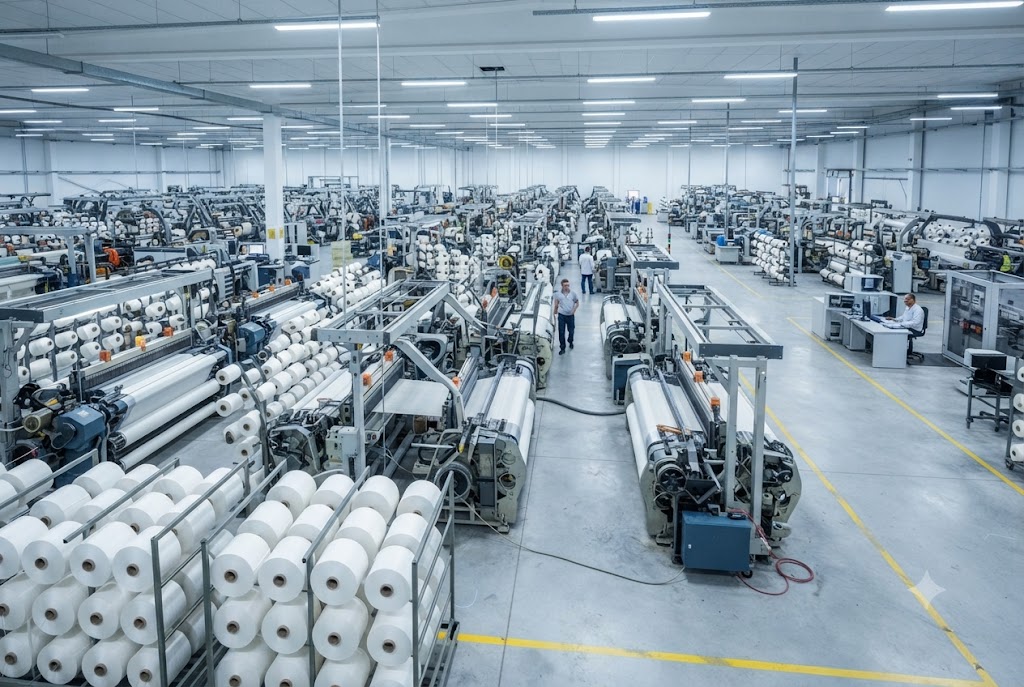
The apparel and automotive upholstery sectors depend on consistent supplies of synthetic yarns and staple fibers. Brazilian textile mills export significant volumes of polyester and polyamide fibers that now face the full brunt of the import tax.
This specific tariff application severely compresses margins for North American weavers and fabric dyers. They must pay a massive premium for their primary raw material while competing against finished garments imported from Asia.
Fiber producers in Brazil operated on thin margins even before this policy change. The sudden duty imposition forces them to halt export shipments and redirect their yarn toward domestic apparel manufacturers.
North American textile mills now scramble to secure alternative fiber allocations from domestic extruders. This sudden demand spike creates localized shortages and drives up regional spot premiums for synthetic yarns.
Soaps and Detergents Absorb the Supply Chain Shock
Household and industrial cleaning product manufacturers source specialized surfactants and formulated blends from Brazilian chemical parks. These finished detergent liquids and powdered soap bars fall under the restricted trade classifications.
The tariff directly attacks the profitability of private label cleaning brands that rely on South American toll manufacturing. These companies now face a massive cost increase on every container of finished detergent crossing the border.
Basic surfactant intermediates like linear alkylbenzene sulfonic acid might retain exempt status depending on their exact purity. However fully formulated cleaning solutions containing multiple active ingredients definitively trigger the new duty.
Institutional buyers for hospitals and commercial laundries feel this price transmission immediately. They renegotiate their annual supply contracts to account for the inflated landed costs of imported cleaning chemicals.
Reclassification Risks for Specialty Surfactant Blends
Customs authorities heavily scrutinize the exact molecular composition of every imported cleaning chemical. A minor adjustment to the fragrance or dye concentration can shift a product from an exempt feedstock code into a fully taxed formulation.
Importers must provide exhaustive technical data sheets to prove their specific product qualifies for duty-free entry. Relying entirely on the foreign supplier to declare the correct customs code invites severe financial penalties.
Blending facilities in South America must now freeze their exact recipes to prevent accidental reclassification at the border. Any operational tweak to improve cleaning efficacy risks triggering the massive import tax.
Chemical traders advise buyers to lock in specific product specifications within their purchase agreements. This contractual rigidity protects the importer from unexpected customs bills caused by unauthorized supplier reformulations.
The immediate reaction across the North American manufacturing sector involves aggressive supplier diversification. Procurement teams actively qualify alternative formulators in Mexico, India and Southeast Asia to bypass the restricted South American trade lane.
Shifting a complex coating or detergent formulation to a new geographic origin requires extensive laboratory testing. Quality control teams must verify that the alternative product matches the exact viscosity and cleaning efficacy of the original blend.
Trading houses facilitate this transition by securing sample quantities and managing the complex international freight logistics. Their global networks help buyers identify drop-in replacements that maintain performance without triggering the import tax.
Domestic blenders also experience a sudden surge in inquiry volume. Local formulators leverage this increased demand to negotiate longer contract tenors and stricter payment terms with their newly acquired clients.
Border agents strictly enforce the new duty by inspecting the physical contents of every chemical drum. Importers must maintain meticulous records to prove whether a product qualifies as a basic exempt feedstock or a taxed formulation.
Companies must establish rigorous internal audit protocols before their next shipment arrives at the port. Proactive compliance prevents costly cargo seizures and keeps manufacturing lines running smoothly.
Request full formulation breakdowns to verify the exact percentage of every component in a blended chemical.
Engage licensed customs brokers to validate the specific classification codes before the cargo leaves the origin port.
Maintain strict document retention for all technical data sheets to defend against future border audits.
What Procurement Teams Should Do Now
Navigating this targeted tariff environment requires immediate and precise action from every purchasing department. Ignoring the specific exposure of coatings and synthetic fibers guarantees unexpected customs delays and severe margin erosion.
Audit your entire South American import portfolio against the official exemption list to identify every exposed material. Quantify the exact financial liability these restricted classifications represent for your upcoming quarterly budgets.
Collaborate closely with your technical teams to verify the precise composition of every blended product. Do not accept supplier declarations without independent verification from a licensed trade compliance expert.
Initiate qualification trials for alternative specialty additives immediately to reduce your reliance on taxed imports. Building a resilient supply base protects your manufacturing margins from future geopolitical trade disruptions.
Ready to source titanium dioxide from verified global suppliers? Explore competitive offers on our platform today.