Cobalt Sulphate: Applications in Battery Manufacturing and Specialty Chemicals
Cobalt Sulphate: Applications in Battery Manufacturing and Specialty Chemicals
Market Overview And Chemical Profile
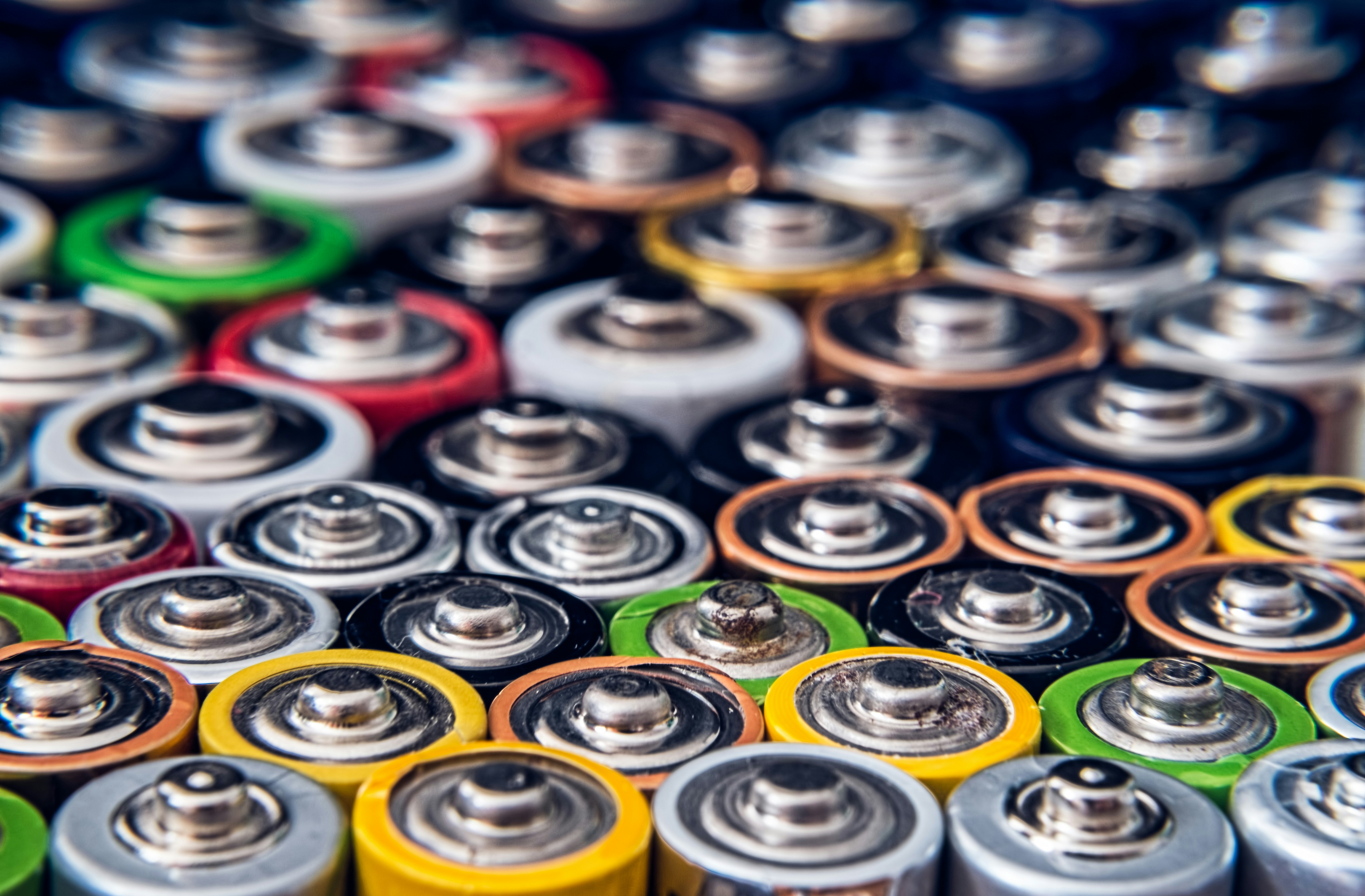
Cobalt sulphate is highly soluble cobalt salt widely utilized as precursor in production of cobalt-based catalysts, rechargeable battery materials notably in Li-ion cathodes, and electroplating solutions. Battery manufacturing represents dominant consumption segment accounting for approximately 65% of global demand. Electric vehicle manufacturers increasingly rely on cobalt sulphate as critical component in cathode materials for high-performance batteries.
Battery-grade cobalt sulfate market encompasses high-purity cobalt sulfate compounds essential for cathode material manufacturing in advanced energy storage systems. Lithium-ion batteries application held largest share at 68.2% in some estimates, with batteries application segment held largest share at 42.5% in broader cobalt II sulfate market. Electric vehicle battery sector represents dominant end-use, with lithium-ion battery cathodes requiring cobalt sulfate as precursor material for nickel-cobalt-manganese NCM and nickel-cobalt-aluminum NCA chemistries.
Cobalt sulfate heptahydrate CoSO4·7H2O battery grade produced from cobalt metal via sulfuric acid dissolution and crystallisation. Cobalt sulfate heptahydrate at ≥20.5% Co content and battery grade purity is direct input to coprecipitation process that produces NMC nickel manganese cobalt and NCA nickel cobalt aluminium cathode precursors for lithium-ion cells. Every NMC battery cell requires cobalt sulfate in its cathode.
Cobalt sulfate one of most important cobalt salts widely used in lithium-ion battery manufacturing, electroplating, catalysts, ceramics, animal feed applications. Applications include battery materials and energy storage industry widely used in lithium-ion battery precursor production especially for lithium cobalt oxide LCO and NMC cathode materials.
Battery Manufacturing – Core Application
Battery manufacturing applications consume majority of global cobalt sulphate production reflecting material's critical role in lithium-ion battery cathode production. It is widely used in production of rechargeable batteries particularly lithium-ion batteries used in electric vehicles portable electronic devices and energy storage systems.
Cobalt sulfate used in manufacturing lithium-ion batteries which are key component of EVs. Cobalt sulfate also used to produce rechargeable batteries for smartphones laptops and other electronic devices. Key precursor for lithium-ion and Ni-Co batteries.
Battery industry primarily drives cobalt sulfate market size. It is critical component in cathode materials of lithium-ion batteries. Cobalt sulfate finds applications in power tools and cordless appliances providing dependable long-lasting power source. Chemical synthesis segment also drives market growth finds numerous applications various industries such as battery manufacturing agriculture catalysts pigments.
Battery Grade held largest share at 52.4% in cobalt sulphate powder market. Key drivers lithium-ion battery expansion EV adoption renewable energy storage electroplating demand. Shift toward lithium-ion battery technology which requires high-purity cobalt sulphate as critical precursor material has fundamentally reshaped market dynamics. Cobalt sulphate serves as essential intermediate in production of cobalt oxide and mixed metal hydroxides for cathode precursors.
Solution cobalt sulfate representing 21.5% of market share serves emerging applications in electrodeposition metal finishing laboratory-scale battery research.
Product type outlook battery grade cobalt sulphate industrial grade cobalt sulphate pharmaceutical grade cobalt sulphate application outlook battery manufacturing catalyst production pigments ceramics electroplating agriculture end-use outlook automotive electronics energy storage chemical processing others shows diversification but battery dominates.
Battery manufacturing represents dominant consumption segment accounting approximately 65% global demand. Lithium-ion batteries application held largest share at 68.2% in battery-grade market. Report spans 2025 to 2034 with 270 pages comprehensive analysis.
Specialty Chemicals – Catalysts, Electroplating, Pigments
Cobalt sulphate highly soluble cobalt salt widely utilized as precursor in production cobalt-based catalysts rechargeable battery materials and electroplating solutions.
Applications include:
Catalysts: Cobalt-based catalysts for hydrodesulfurization in oil refining, and for polyester and chemical synthesis. Cobalt sulphate is inorganic chemical compound primarily used as precursor in production of cathode materials and catalysts.
Electroplating: Provides corrosion resistant cobalt and cobalt-nickel coatings for hard-facing, cutting tools, and electronics. Cobalt sulphate one of most important cobalt salts widely used in lithium-ion battery manufacturing electroplating catalysts ceramics animal feed.
Pigments and Ceramics: Provides blue color in ceramics, glass, and inks. Primary applications super alloy hard facing HSS other alloy magnet hard material catalyst color battery others show broad usage.
Agriculture: Trace element in animal feed correcting cobalt deficiency for vitamin B12 synthesis in ruminants, similar to zinc sulfate GRAS 21 CFR 182.8997 36.43% monohydrate animal feed.
Super Alloys: Super alloy hard facing HSS magnet hard material applications where cobalt improves high-temperature strength.
Cobalt sulphate market constitutes critical segment within broader supply chain lithium-ion battery manufacturing catalyzing transition toward electrification across multiple industries.
Quality Grades And Specifications
Battery grade cobalt sulphate requires high purity ≥20.5% Co content for heptahydrate CoSO4·7H2O, low impurities iron less than 10 ppm, nickel less than 500 ppm for some NMC grades, copper less than 5 ppm, zinc less than 20 ppm, manganese controlled, pH 3-5 for solution, and absence of chloride.
Industrial grade used for electroplating catalysts pigments with lower purity requirements. Pharmaceutical grade for specialty applications.
Solution cobalt sulfate representing 21.5% market share serves emerging applications electrodeposition metal finishing laboratory-scale battery research where liquid form preferred for dosing.
Similar to food-grade minerals calcium carbonate 40% elemental calcium E170 fortification anticaking ferrous fumarate 32.9% elemental iron stable FCC zinc sulfate monohydrate 36.43% monohydrate 20.5% Co content battery grade parallels 20.5% Co content in cobalt sulphate heptahydrate showing similar assay concept.
Production via sulfuric acid dissolution crystallisation in MTL-RC4-COSO4 module similar to zinc sulphate production via zinc oxide dissolution in sulfuric acid.
Supply Chain And Market Outlook
Cobalt sulphate market critical segment within broader supply chain lithium-ion battery manufacturing catalyzing transition toward electrification. Electric vehicle manufacturers increasingly rely as critical component cathode materials high-performance batteries.
Primary applications super alloy hard facing HSS other alloy magnet hard material catalyst color battery others reflect diversified demand but battery dominates 65%.
Global market estimated growth driven by EV adoption renewable energy storage. Glycerine market 4.51B 2026 to 6.8B 2033 7.4% CAGR polyether polyols and epichlorohydrin market 3.28B 2026 to 4.52B 2033 5.5% CAGR epoxy resins 41.8% share show battery and chemical market interlinkage where cobalt sulphate essential.
Chemical industry risk assessment geoeconomic confrontation top risk 35.5% chemical firms geopolitical tensions top priorities Strait Hormuz closure 20% ethylene capacity 40% Asian naphtha offline highlights supply risk for cobalt which concentrated in DRC Democratic Republic of Congo with China refining dominance, creating geopolitical risk similar to other critical minerals.
Practical strategies for buyers include tracking cobalt metal prices LME as leading indicator, monitoring EV battery chemistry shifts NMC 811 vs LFP lithium iron phosphate which reduces cobalt intensity, building tiered budgets base pressure disruption. Focus on four decision signals input trend lead-time movement supplier capacity discipline compliance friction.
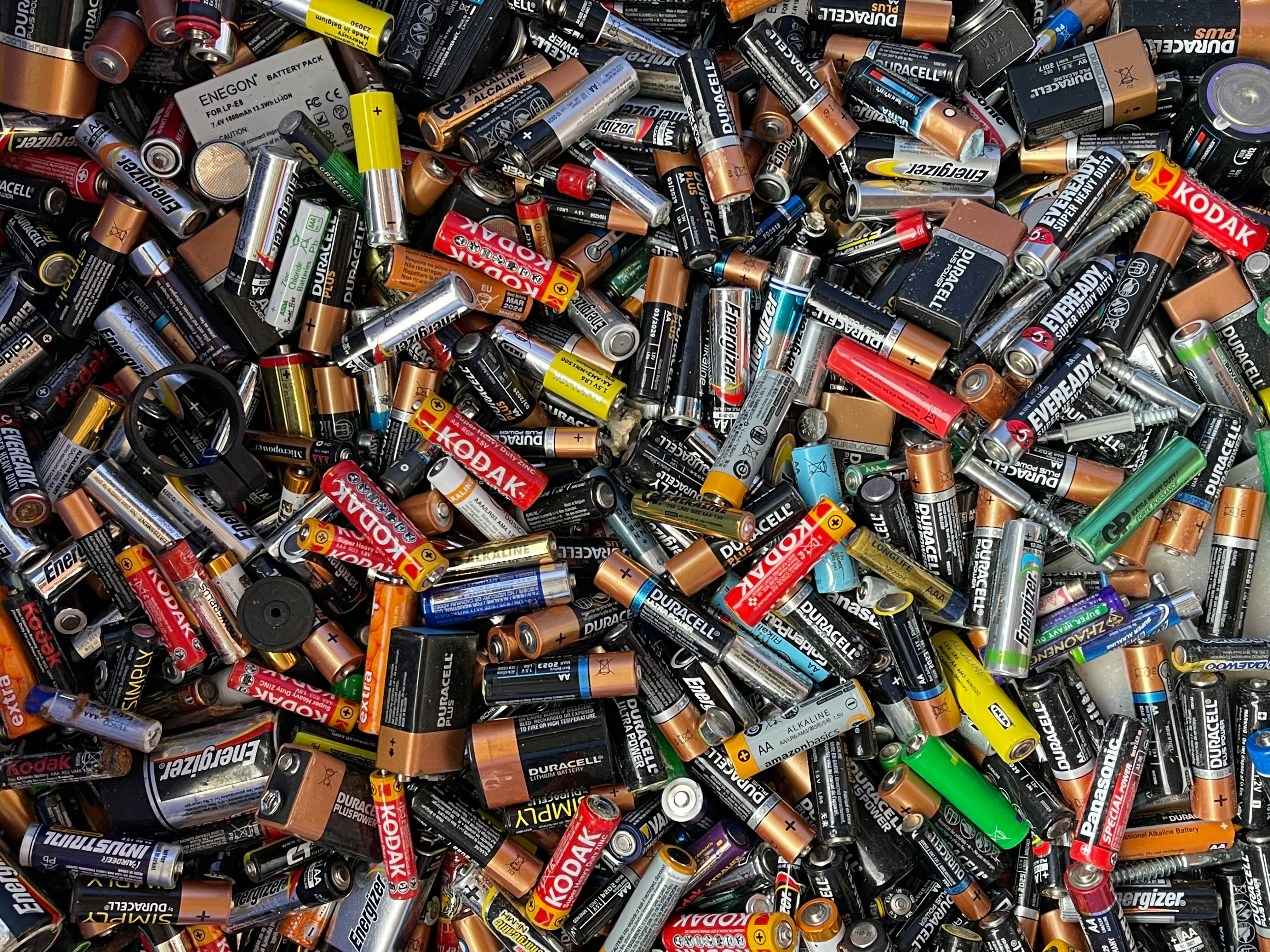
Sustainability trends toward responsible sourcing, battery recycling recovering cobalt sulphate from spent batteries, and reduced cobalt formulations NMC 811 reducing cobalt from 33% to 10% but still requiring high-purity cobalt sulphate for remaining content.
Ultimately, cobalt sulphate applications show battery-grade heptahydrate CoSO4·7H2O ≥20.5% Co content direct input coprecipitation process NMC NCA cathode precursors every NMC cell requires, market batteries 42.5-68.2% share battery grade 52.4% share solution 21.5% share, growth driven EV adoption renewable storage, plus specialty chemicals catalysts electroplating pigments ceramics agriculture super alloys.
Sources:
Cobalt Sulfate Battery-Grade MTL-046 – Carbotura RevCon – Cobalt sulfate heptahydrate CoSO4·7H2O ≥20.5% Co battery grade purity direct input coprecipitation NMC NCA cathode precursors every NMC cell requires – https://revcon.carbotura.com
Cobalt II Sulfate Market Research Report 2034 – Dataintelo – Batteries application segment held largest share 42.5% – electric vehicle battery sector dominant end-use lithium-ion battery cathodes requiring precursor NCM NCA – https://dataintelo.com
Battery Grade Cobalt Sulfate Market – Dataintelo – Lithium-ion Batteries application held largest share 68.2% – high-purity cobalt sulfate essential cathode manufacturing – Solution cobalt sulfate 21.5% share – https://dataintelo.com
Laundry Soap Noodles TOM 78% (45:45:10)
Found this useful?