Cocamidopropyl Betaine: Applications in Personal Care and Cleaning Products
Personal care and household cleaning manufacturers rely on surfactants to achieve effective cleansing, stable foam and consistent product performance. Cocamidopropyl Betaine (CAPB) is an important ingredient in these formulations because it offers amphoteric surfactant properties and works effectively alongside other cleansing agents.
Derived from fatty acid feedstocks associated with coconut oil, CAPB is widely used in shampoos, liquid soaps, body washes, facial cleansers and dishwashing liquids. Its ability to support foam quality, improve formulation characteristics and complement anionic surfactants makes it valuable to manufacturers across several consumer product categories.
For chemical traders, procurement managers and industrial buyers, CAPB offers opportunities in the expanding surfactant supply chain. Understanding its production process, commercial grades, quality requirements and end-use applications helps buyers select suitable suppliers and maintain consistent manufacturing operations.
What Is Cocamidopropyl Betaine?
Cocamidopropyl Betaine is an amphoteric surfactant, meaning its molecular structure contains both positively and negatively charged functional groups. Its behaviour can vary depending on the pH of the surrounding formulation.
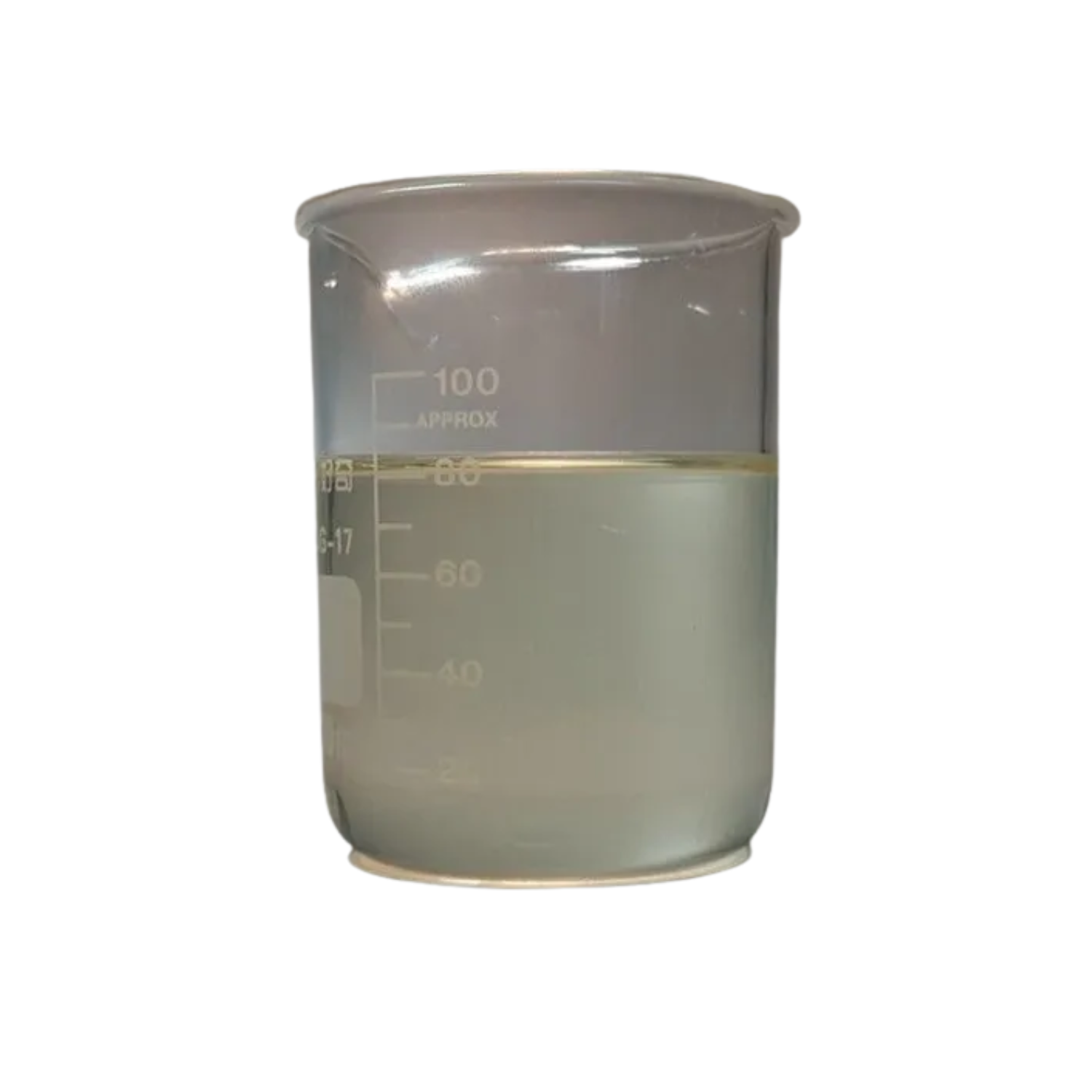
The chemical is manufactured using fatty acid-derived raw materials and dimethylaminopropylamine (DMAPA). Commercial CAPB generally appears as a clear to pale-yellow liquid, with active matter concentrations commonly around 30% to 35%.
Its molecular structure combines a fatty acid-derived hydrophobic chain with a hydrophilic betaine group. This structure allows CAPB to interact with water, oils and other formulation ingredients.
Key Functional Properties
Manufacturers use CAPB because of several important formulation characteristics:
Foam boosting: Supports foam generation and improves the quality of lather in cleansing products.
Foam stabilisation: Helps maintain foam during product use.
Mild cleansing: Can contribute to milder cleansing systems when combined appropriately with other surfactants.
Viscosity modification: Supports viscosity adjustment in formulations containing compatible anionic surfactants.
Formulation compatibility: Works with anionic, non-ionic and other amphoteric surfactants.
Antistatic properties: Provides useful functionality in selected hair care formulations.
These characteristics make CAPB particularly useful in products where manufacturers need to balance cleansing performance, foam quality and formulation stability.
PCC Group Product Portal+2
How Is Cocamidopropyl Betaine Produced?
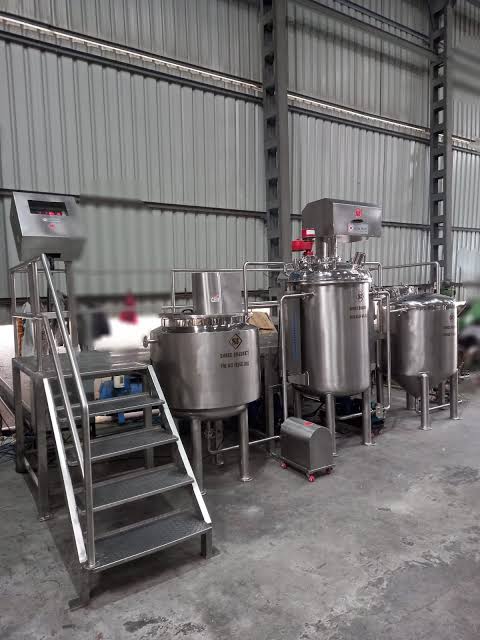
CAPB production involves chemical reactions between fatty acid-derived materials and amine compounds. Manufacturers generally use coconut-derived fatty acids or related fatty acid feedstocks to produce the required intermediate.
The process involves two main chemical stages followed by purification and quality control.
1. Formation of Fatty Acid Amidoamine
The first stage involves reacting fatty acids with DMAPA to produce an intermediate known as fatty acid amidoamine.
The fatty acid component provides the hydrophobic chain, while DMAPA introduces the amine-containing portion of the molecular structure.
Manufacturers control reaction conditions to achieve the desired conversion and minimise residual starting materials.
2. Carboxymethylation
The amidoamine intermediate undergoes carboxymethylation, commonly using sodium monochloroacetate.
This reaction introduces the carboxymethyl group required to form the betaine structure. The resulting chemical product undergoes further processing to achieve the required commercial specifications.
3. Purification and Product Standardisation
The finished CAPB solution undergoes quality checks and formulation adjustments.
Manufacturers control active matter, pH, colour, sodium chloride content and residual impurities. Water is added where necessary to achieve the desired commercial concentration.
This stage is particularly important because residual DMAPA and amidoamine can contribute to skin sensitisation concerns. Manufacturers therefore need suitable purification controls and impurity monitoring.
PubMed+2
Applications of Cocamidopropyl Betaine in Personal Care
Personal care manufacturing represents a major application area for CAPB. Its foaming, cleansing and formulation properties make it suitable for products used in daily hygiene routines.
Manufacturers frequently combine CAPB with anionic surfactants such as Sodium Lauryl Ether Sulphate (SLES) to develop balanced cleansing systems.
Shampoos and Hair Care Products
CAPB is commonly used in shampoo formulations to improve foam characteristics and support cleansing performance.
When combined with SLES, it can contribute to foam stability and help formulators develop products with suitable viscosity and application properties.
Its use extends to several hair care categories:
Daily-use shampoos: Supports cleansing and foam generation.
Conditioning shampoos: Helps formulators develop cleansing systems with additional conditioning ingredients.
Baby shampoos: Can be incorporated into formulations designed for mild cleansing, subject to appropriate safety testing.
Hair cleansing products: Supports surfactant systems used in different hair care applications.
The final product's mildness depends on the complete formulation, not CAPB alone.
Body Washes and Liquid Soaps
Body washes and liquid hand soaps require ingredients that provide effective cleansing and a pleasant user experience.
CAPB helps generate foam and supports the formulation of liquid cleansing products. Its compatibility with other surfactants gives manufacturers flexibility when adjusting product performance.
Common applications include:
Liquid hand washes.
Body washes and shower gels.
Bath products.
Facial cleansing formulations.
Liquid hygiene products.
Manufacturers select CAPB concentrations according to the required active surfactant level, formulation pH and other ingredient interactions.
Facial Cleansers and Specialty Personal Care
CAPB also appears in selected facial cleansing products and specialty hygiene formulations.
Formulators may combine it with other surfactants to achieve the required cleansing characteristics while managing the overall formulation's potential for irritation.
For sensitive-skin products, manufacturers should evaluate the complete ingredient system and the quality of the supplied CAPB rather than assuming that an amphoteric surfactant automatically guarantees a mild finished product.
PCC Group Product Portal+2
Cocamidopropyl Betaine Applications in Cleaning Products
Beyond personal care, CAPB supports household and selected industrial cleaning formulations.
Its compatibility with other surfactants makes it useful in products requiring controlled foam, effective wetting and stable liquid formulations.
Dishwashing Liquids
Dishwashing liquid manufacturers use CAPB alongside other surfactants to develop products that remove food residues and grease.
It supports foam quality and contributes to formulation characteristics that influence the product's cleaning experience.
Household Surface Cleaners
CAPB can be incorporated into selected household cleaning products, including multi-purpose cleaners and specialised liquid cleaning formulations.
Its role depends on the formulation's cleaning requirements and compatibility with other ingredients.
Industrial and Institutional Cleaning
Industrial and institutional cleaning manufacturers may use CAPB in selected products designed for commercial facilities and equipment maintenance.
Potential application areas include:
Institutional cleaning liquids.
Commercial surface cleaners.
Selected textile cleaning formulations.
Specialised detergent systems.
Industrial washing products.
CAPB is not necessarily the primary cleaning agent in every application. Manufacturers frequently combine it with other surfactants to achieve the required performance.
Commercial Grades and Quality Specifications of CAPB
Cocamidopropyl Betaine is available in different commercial concentrations, with CAB-30 and CAB-35 among the commonly marketed grades.
The exact specifications vary between manufacturers, so buyers should review the product's technical documentation before approving a supplier.
CAPB 30% and CAPB 35%
CAPB 30% generally contains approximately 30% active surfactant matter. It is widely used in shampoos, liquid soaps, body washes and other personal care formulations.
CAPB 35% provides a higher concentration of active material. It can help manufacturers reduce the quantity of water transported per unit of active surfactant, depending on the product's viscosity and handling requirements.
The selection depends on formulation design, processing equipment, storage capacity and commercial considerations.
Important Quality Parameters
Procurement teams should evaluate the following specifications:
Active matter: Confirms the concentration of active surfactant.
pH: Influences compatibility with other formulation ingredients.
Sodium chloride: Can affect viscosity and overall formulation behaviour.
Colour and appearance: Important for manufacturers producing clear or lightly coloured products.
Free amine content: Helps assess residual amine-related impurities.
Amidoamine content: Important for controlling potential sensitising impurities.
DMAPA content: Requires attention because residual DMAPA can contribute to sensitisation concerns.
Viscosity: Influences storage, pumping and manufacturing operations.
A certificate of analysis (COA) helps buyers verify whether the supplied material meets the agreed specifications.
Cocamidopropyl Betaine+2
Global CAPB Market Trends and Demand Drivers
The Cocamidopropyl Betaine market connects the global surfactant industry with personal care, household cleaning and selected industrial applications.
Market research published in 2026 identifies increasing demand for mild cleansing formulations, liquid personal care products and household cleaning ingredients as important growth drivers. However, market-size estimates vary between research providers because they use different market definitions and coverage.
Several broader trends are influencing CAPB demand.
Growing Personal Care Consumption
Demand for shampoos, body washes, facial cleansers and liquid hand soaps supports the use of amphoteric surfactants.
Manufacturers continue to develop formulations that balance cleansing performance, foam quality and consumer preferences for different product characteristics.
Expansion of Household Cleaning Products
Liquid dishwashing detergents, multi-purpose cleaners and other household cleaning products create additional demand opportunities.
CAPB's compatibility with other surfactants makes it relevant to manufacturers developing different cleaning systems.
Interest in Mild and Specialised Formulations
Personal care manufacturers increasingly evaluate surfactant combinations according to cleansing performance and formulation tolerance.
This encourages interest in amphoteric ingredients such as CAPB, particularly when used alongside anionic and non-ionic surfactants.
Raw Material and Manufacturing Cost Changes
CAPB production depends on fatty acid feedstocks, DMAPA, sodium monochloroacetate and other processing inputs.
Changes in raw material availability, energy costs, manufacturing efficiency and transportation expenses can influence supplier quotations.
For chemical traders, monitoring these factors helps explain differences in product pricing and availability across suppliers and regions.
Procurement, Storage and Supplier Selection
Reliable sourcing of CAPB requires attention to product concentration, impurity levels, packaging and supplier consistency.
Buyers should request the following documentation before confirming an order:
Technical Data Sheet: Provides product specifications, active matter and recommended handling information.
Certificate of Analysis: Confirms the quality parameters of the supplied batch.
Safety Data Sheet: Explains handling, storage and safety requirements.
Quality documentation: Provides information about impurity controls and applicable manufacturing standards.
Storage and Transportation
Commercial CAPB solutions require suitable storage conditions to maintain product quality.
Procurement teams should:
Store the product in compatible, tightly closed containers.
Follow the supplier's recommended temperature range.
Protect the material from contamination and extreme temperatures.
Avoid unnecessary exposure to direct sunlight.
Maintain appropriate stock rotation and batch identification.
Follow safety instructions during handling and transportation.
Packaging options may include drums, intermediate bulk containers and bulk deliveries, depending on supplier capabilities and buyer requirements.
Key Considerations for Global Cocamidopropyl Betaine Buyers
Cocamidopropyl Betaine remains an important surfactant for personal care and household cleaning manufacturers. Its ability to support foam quality, formulation compatibility and cleansing performance makes it relevant across several downstream industries.
For chemical buyers, successful procurement depends on selecting the correct active matter concentration, evaluating impurity levels and maintaining consistent supplier quality. Particular attention to DMAPA and amidoamine specifications is important for manufacturers supplying skin-contact products.
As personal care and cleaning product manufacturers expand their formulation requirements, reliable CAPB suppliers can support long-term business opportunities across the global surfactant supply chain.
Cocamidopropyl Betaine
Found this useful?