Sodium Lauryl Ether Sulphate (SLES): Production, Applications and Market Trends
Sodium Lauryl Ether Sulphate (SLES) is one of the most important surfactants used in modern detergent and personal care manufacturing. Its strong foaming ability, effective cleaning performance and compatibility with different formulation ingredients make it a preferred raw material for manufacturers producing shampoos, liquid soaps, dishwashing liquids and household cleaning products.
For chemical traders, procurement managers and industrial buyers, SLES represents an important product within the global surfactant supply chain. Demand connects several consumer and industrial markets, making product quality, raw material availability and manufacturing capacity important factors in sourcing decisions.
The market also presents opportunities for chemical distributors supplying different SLES concentrations and grades. Understanding how manufacturers produce SLES and what determines its quality helps buyers make better procurement decisions.
What Is Sodium Lauryl Ether Sulphate?
Sodium Lauryl Ether Sulphate, commonly abbreviated as SLES, is an anionic surfactant also known as Sodium Laureth Sulphate or Alkyl Ether Sulphate (AES).
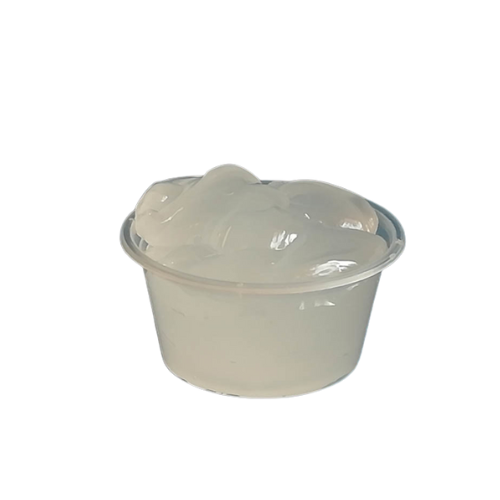
It is generally produced by reacting ethoxylated fatty alcohols with a sulphating agent, followed by neutralisation with sodium hydroxide. Commercial SLES 70% commonly appears as a white to pale yellow viscous paste or gel.
SLES contains two important molecular components:
Hydrophilic component: The sulphate group attracts water and helps the surfactant dissolve in aqueous formulations.
Hydrophobic component: The fatty alcohol chain interacts with oils, grease and other non-polar materials.
This molecular structure allows SLES to reduce surface tension and support the removal of dirt and oily substances during cleaning.
Important Chemical Properties
Manufacturers value SLES for several functional characteristics:
Foaming performance: Produces abundant foam in shampoos, hand washes and liquid detergents.
Cleaning ability: Helps remove grease, dirt and other unwanted materials.
Wetting properties: Allows cleaning solutions to spread across surfaces more effectively.
Emulsification: Supports the dispersion of oily ingredients in water-based formulations.
Formulation compatibility: Works with selected anionic, non-ionic and amphoteric surfactants.
Viscosity adjustment: Formulators can adjust product thickness through suitable formulation techniques, including controlled salt addition.
These characteristics make SLES suitable for manufacturers producing both household and industrial cleaning products.
ucf.ae+2
How Is Sodium Lauryl Ether Sulphate Produced?
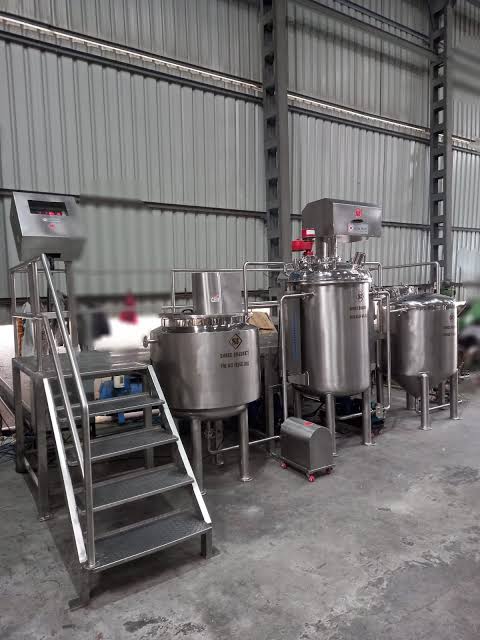
SLES production involves several chemical processing stages. Manufacturers generally begin with fatty alcohols, which may originate from natural oils or petrochemical sources.
The production process converts these raw materials into an ethoxylated intermediate before introducing the sulphate group and neutralising the resulting product.
1. Ethoxylation
The first stage involves reacting fatty alcohols, commonly C12-C14 alcohols, with ethylene oxide.
This process introduces ethylene oxide units into the fatty alcohol structure, producing fatty alcohol ethoxylates. The number of ethylene oxide units influences the characteristics of the final surfactant.
Commercial products commonly include:
1EO: Used in selected formulations requiring particular surfactant characteristics.
2EO: A widely used grade for shampoos, liquid detergents and cleaning products.
3EO: Used in formulations where different mildness and performance characteristics are required.
The ethoxylation stage requires controlled reaction conditions and appropriate safety systems because ethylene oxide is a hazardous industrial chemical.
2. Sulphation
The ethoxylated fatty alcohol then undergoes sulphation to introduce the sulphate group.
Manufacturers can use sulphur trioxide or chlorosulphonic acid, depending on their production technology.
This reaction produces an acidic sulphate intermediate. Temperature control and reaction management are important for maintaining product quality and limiting unwanted by-products.
3. Neutralisation
The sulphated intermediate reacts with sodium hydroxide to produce Sodium Lauryl Ether Sulphate.
Manufacturers adjust the formulation and water content to achieve the desired active matter concentration. Commercial products are commonly available in approximately 70% active paste and lower-concentration liquid forms.
4. Quality Control and Packaging
The final product undergoes quality checks before packaging and distribution.
Manufacturers assess active matter, pH, colour, sodium sulphate content and other relevant specifications. They may also monitor residual impurities such as 1,4-dioxane.
SLES is commonly supplied in industrial drums, intermediate bulk containers and bulk tankers, depending on the manufacturer's facilities and buyer requirements.
Major Applications of SLES Across Industries
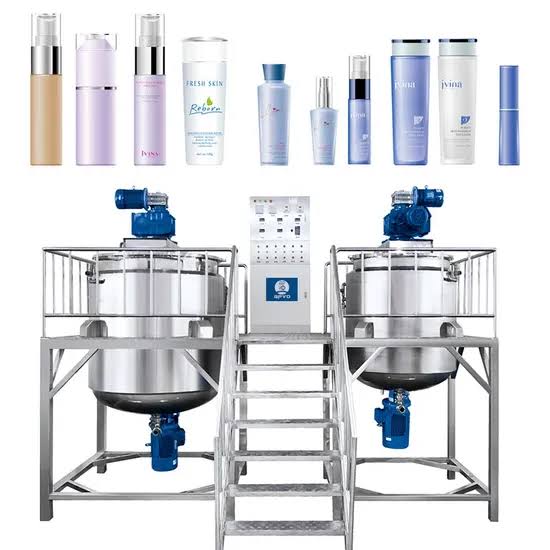
SLES serves several downstream industries because of its cleaning, foaming and emulsifying properties. Personal care and household cleaning manufacturers account for important application segments.
Personal Care and Hygiene Products
The personal care industry is one of the major consumers of SLES.
Manufacturers incorporate it into formulations that require effective cleansing and foam generation.
Common applications include:
Shampoos: Helps remove oil and dirt from hair while producing foam.
Body washes: Supports cleansing performance and foam development.
Liquid hand washes: Provides cleaning and lathering properties.
Facial cleansers: Used in selected formulations with suitable surfactant combinations.
Toothpaste: Serves as a foaming ingredient in selected oral care formulations.
Bubble baths: Helps generate and maintain foam during use.
Personal care manufacturers select grades according to their formulation requirements, including active content, odour, colour and impurity limits.
Household Cleaning Products
SLES also plays a significant role in household detergent manufacturing.
Its surfactant properties help manufacturers develop cleaning products for different domestic applications.
Important product categories include:
Dishwashing liquids for removing food residues and grease.
Liquid laundry detergents for cleaning fabrics.
Multi-purpose household cleaners.
Floor cleaning formulations.
General-purpose liquid cleaning products.
Manufacturers often combine SLES with other surfactants and formulation ingredients to improve cleaning performance and product stability.
Industrial and Institutional Cleaning
Industrial cleaning manufacturers use SLES in selected formulations for commercial facilities and specialised cleaning operations.
Applications include institutional detergents, equipment cleaning products and industrial surface cleaners.
Its ability to produce foam and support wetting makes it useful in formulations where controlled cleaning performance is required.
However, industrial buyers must assess compatibility with the surfaces and materials involved in their cleaning processes.
SLES Grades, Specifications and Quality Requirements
SLES is commercially available in different concentrations and ethoxylation levels. Buyers should select a product according to the intended formulation rather than relying on the chemical name alone.
SLES 70% and SLES 28%
SLES 70% is a concentrated paste widely used by detergent and personal care manufacturers.
Its higher active matter content allows buyers to transport and store more surfactant per unit of shipment. Manufacturers dilute it during formulation to achieve the required concentration.
SLES 28% is a lower-concentration liquid product that offers easier handling for certain production facilities. However, its lower active content means buyers transport more water relative to the quantity of active surfactant.
The choice depends on manufacturing capacity, storage infrastructure, transportation costs and formulation requirements.
Important Procurement Specifications
Chemical buyers should review the following parameters when evaluating SLES offers:
Active matter: Determines the concentration of the actual surfactant.
pH: Influences compatibility with other formulation ingredients.
Sodium sulphate: Indicates the level of inorganic salt present in the product.
Unsulphated matter: Helps assess residual unreacted fatty materials.
Colour: Important for manufacturers producing clear or lightly coloured formulations.
1,4-dioxane: An important impurity requiring monitoring, particularly in personal care applications.
Buyers should request a certificate of analysis (COA) for every shipment and compare the results with their approved product specifications.
Global SLES Market Trends and Demand Drivers
Demand for Sodium Lauryl Ether Sulphate connects the surfactant industry with consumer spending, hygiene requirements and industrial cleaning activity.
According to IMARC Group, the global SLES market reached approximately 2.38 million tonnes in 2025. The market is projected to reach 3.47 million tonnes by 2034, representing a projected compound annual growth rate of 4.3% during 2026-2034.
IMARC Group
Several factors support this demand outlook.
Growth in Personal Care Consumption
Increasing consumption of shampoos, body washes and liquid hand cleansers supports demand for SLES.
Manufacturers continue to require surfactants that provide effective cleansing and foam generation at commercially competitive costs.
Emerging consumer markets also create opportunities for chemical suppliers serving local personal care manufacturers.
Expansion of Liquid Detergent Manufacturing
Liquid detergents and dishwashing products represent important downstream markets.
SLES offers formulation flexibility for manufacturers producing different types of household cleaning products. Its compatibility with other surfactants also supports its use in multi-ingredient formulations.
Demand for Different Surfactant Grades
Manufacturers increasingly evaluate surfactants according to product performance, formulation requirements and quality specifications.
This creates opportunities for suppliers offering different active matter concentrations and ethoxylation levels.
Low-impurity and application-specific grades are particularly relevant for manufacturers operating in personal care markets.
Raw Material and Production Cost Pressures
SLES production depends on important raw materials, including fatty alcohols, ethylene oxide and sulphating agents.
Changes in feedstock prices, energy costs, freight rates and currency movements can influence production economics and supplier quotations.
For traders and procurement managers, monitoring these inputs helps explain changes in SLES offers across different origins.
Supply Chain and Sourcing Opportunities in Pakistan
Pakistan has an established domestic chemical manufacturing base serving detergent and personal care producers.
Local SLES production provides an important supply option for manufacturers seeking consistent raw material availability and shorter delivery routes.
According to PACRA's 2026 industry assessment, domestic SLES production is led primarily by TCIL and TMIL. The report also identifies detergent, household cleaning and personal care products as major demand drivers, with textile processing representing a secondary end-use segment.
PACRA
For Pakistani chemical buyers, sourcing decisions involve comparing domestic manufacturers with international suppliers.
Important considerations include:
Domestic availability: Evaluate local production capacity and delivery schedules.
Imported alternatives: Compare international offers when specific grades or specifications are required.
Raw material exposure: Consider the influence of imported feedstocks and foreign exchange movements on local production costs.
Packaging: Compare 160 kg or 170 kg drums, larger containers and bulk delivery options.
Supplier documentation: Verify product specifications, COA and SDS before placing orders.
The Pakistan Trade Portal also lists SLES 70% from Ittehad Chemicals Limited, demonstrating its availability within the country's commercial chemical supply chain.
Pakistan Trade Portal+1
What Buyers Should Consider Before Sourcing SLES
Selecting the right SLES supplier requires more than comparing the quoted price per metric tonne.
Procurement teams should evaluate product quality, supply reliability and the total cost of receiving and using the material.
The following considerations can support better sourcing decisions:
Confirm the grade: Specify whether the requirement is SLES 70% or SLES 28%, including the required ethoxylation level.
Check active matter: Verify that the supplied concentration matches the purchase specification.
Review impurity levels: Pay particular attention to 1,4-dioxane, sodium sulphate and unsulphated matter.
Assess supplier consistency: Compare previous COAs and batch specifications where available.
Evaluate packaging: Select drums, IBCs or bulk transportation according to storage capacity.
Compare landed costs: Include freight, insurance, customs duties and handling charges.
Maintain supply continuity: Consider alternative suppliers and origins to reduce dependence on a single source.
These measures help manufacturers manage procurement costs while maintaining consistent production quality.
The Outlook for Sodium Lauryl Ether Sulphate
Sodium Lauryl Ether Sulphate remains an important surfactant for personal care, household cleaning and industrial formulations. Its established role in shampoos, liquid detergents and cleaning products supports continued demand across consumer and manufacturing markets.
For chemical traders and distributors, opportunities exist in supplying different SLES concentrations, specialised grades and reliable delivery arrangements.
However, feedstock price fluctuations, production costs and quality requirements will continue to influence sourcing decisions. Manufacturers that prioritise consistent specifications and dependable supplier relationships can strengthen their procurement operations.
Sodium Lauryl Ether Sulfate (1EO 70%)
Found this useful?