
Cold Chain and Temperature-Controlled Logistics for Specialty Chemicals
Specialty chemicals often require more than standard warehousing and transportation arrangements. Certain formulations, intermediates and high-value chemical products can experience changes in quality, stability, viscosity or physical condition when exposed to unsuitable temperatures. Maintaining the correct environmental conditions throughout storage and distribution is therefore an important part of chemical supply chain management.
Cold chain and temperature-controlled logistics for specialty chemicals help manufacturers, distributors and importers protect sensitive products during transportation and storage. These systems use specialized containers, controlled warehouses, monitoring equipment and handling procedures to maintain product-specific temperature requirements.
For chemical procurement managers, temperature control is also a commercial consideration. Poor handling can result in rejected shipments, product losses, additional testing expenses and delayed deliveries. Understanding temperature requirements and selecting suitable logistics partners helps businesses maintain product quality while reducing distribution risks.
Why Temperature Control Matters for Specialty Chemicals
Specialty chemicals serve industries such as pharmaceuticals, cosmetics, paints, adhesives, electronics, agriculture and advanced manufacturing. Unlike many standard industrial chemicals, some specialty products have specific storage and transportation requirements that influence their quality and performance.
Temperature fluctuations can affect chemical properties in different ways. Some materials become unstable at elevated temperatures, while others may crystallize, solidify or experience changes in viscosity when temperatures fall below their recommended range.
Protecting chemical stability and product quality
Temperature sensitivity depends on the chemical composition and formulation of each product. Certain specialty chemicals can undergo unwanted physical or chemical changes when exposed to unsuitable environmental conditions.
Common temperature-related concerns include:
Degradation: Elevated temperatures may accelerate unwanted chemical reactions or reduce product stability.
Crystallization: Some liquid formulations can form crystals when exposed to temperatures below their recommended storage range.
Changes in viscosity: Temperature variations can affect the flow properties of specialty oils, resins and liquid additives.
Phase separation: Certain formulations may separate into different components when exposed to unsuitable storage conditions.
Solidification: Materials that require specific temperature ranges may become difficult to handle when they solidify during transportation.
Reduced performance: Changes in product composition or physical condition can affect performance in downstream industrial applications.
These risks make it important for chemical buyers to understand manufacturer-recommended storage conditions before arranging transportation.
Maintaining product consistency across the supply chain
Specialty chemicals frequently pass through multiple handling points before reaching their final destination. A product may move from a manufacturing facility to a storage warehouse, shipping terminal, international vessel, import warehouse and customer facility.
Each transfer creates an opportunity for temperature exposure. A properly managed cold chain maintains suitable conditions across these stages rather than focusing only on refrigerated transportation.
Specialty Chemicals That May Require Temperature-Controlled Logistics
Not every specialty chemical needs refrigeration. Some products require cool storage, others need protection from freezing and certain materials can tolerate normal ambient conditions when handled correctly.
The required temperature depends on product specifications, packaging, chemical composition and stability information.
Specialty resins, polymers and adhesives
Certain specialty resins, polymer formulations and adhesives require controlled storage to maintain their original physical properties.
Temperature changes can influence viscosity, curing behaviour, shelf life and application performance. Some formulations require cool storage to prevent premature reactions or unwanted changes during extended storage.
Manufacturers should provide specific handling instructions because different resin systems can have very different temperature requirements.
Pharmaceutical and cosmetic ingredients
Some specialty ingredients used in pharmaceutical and personal care manufacturing require controlled temperature conditions to preserve their intended quality.
Certain active ingredients, biological materials and sensitive formulations may need refrigeration or other specialized storage arrangements.
Chemical distributors supplying these industries should confirm the storage specifications of each product and maintain suitable documentation throughout distribution.
Specialty additives and industrial formulations
Certain industrial additives, catalysts, emulsions and formulated chemicals can be sensitive to temperature fluctuations.
For example, changes in viscosity may influence pumping, mixing and dosing operations. Temperature exposure may also affect formulation stability or the ease of handling during manufacturing.
Fine chemicals and high-value intermediates
Fine chemicals and specialized intermediates may require carefully controlled storage because of their specific stability characteristics.
These materials can serve high-value applications where product consistency is important. Temperature monitoring helps distributors maintain documented handling conditions and identify potential quality concerns before products reach customers.
Temperature-Controlled Storage and Transportation Systems
A reliable cold chain combines appropriate storage facilities, suitable transport equipment and continuous coordination between logistics partners.
Businesses must select equipment according to the product's actual temperature requirements rather than assuming that every specialty chemical needs the same refrigerated environment.
Temperature-controlled warehouses
Temperature-controlled warehouses use refrigeration, heating, insulation and monitoring equipment to maintain specified environmental conditions.
These facilities can include refrigerated rooms, climate-controlled storage areas and specialized chemical warehouses designed for particular products.
Important warehouse considerations include:
Maintaining the manufacturer's recommended temperature range.
Monitoring temperature variations throughout storage areas.
Preventing direct exposure to sunlight and external heat sources.
Maintaining suitable ventilation and chemical segregation.
Providing backup power for essential temperature-control equipment.
Recording temperature conditions and maintenance activities.
Temperature mapping helps identify areas within a storage facility that experience different environmental conditions. This information supports appropriate sensor placement and helps operators identify potential temperature fluctuations.
ISO 31513:2026 provides methods for validating temperature-controlled storage and land transportation, including the documentation of conditions needed to maintain product integrity.
ISO
Refrigerated and insulated transportation
Specialty chemicals may travel through road, sea or air transportation networks. The appropriate transport method depends on the product, shipment quantity, destination and required temperature range.
Common transportation solutions include:
Refrigerated trucks: Maintain controlled temperatures during domestic and regional transportation.
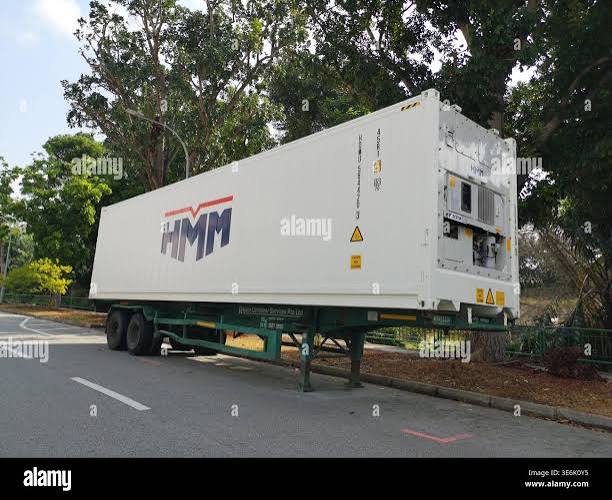
Refrigerated containers: Support temperature-controlled movement through international shipping networks.
Insulated containers: Help reduce exposure to external temperature changes during transportation.
Active temperature-controlled packaging: Uses powered or mechanical systems to maintain specified conditions.
Passive temperature-controlled packaging: Uses insulation and suitable cooling or heating materials to maintain conditions for a defined period.
For long-distance shipments, logistics providers should consider route duration, loading conditions, transfer points and potential delays when selecting transportation equipment.
Temperature Monitoring and Digital Cold Chain Technology
Maintaining the correct temperature requires more than installing refrigeration equipment. Businesses also need reliable monitoring systems that record environmental conditions and provide evidence of proper handling.
Digital monitoring technologies help chemical manufacturers, distributors and logistics providers identify temperature deviations during storage and transportation.
Data loggers and real-time temperature sensors
Temperature data loggers record environmental conditions over a defined period. They can be placed inside storage areas, shipping containers or near individual shipments depending on the monitoring plan.
Real-time monitoring systems provide additional visibility by transmitting temperature information to logistics teams.
Important monitoring capabilities include:
Continuous or scheduled temperature recording.
Real-time alerts when readings exceed approved limits.
Shipment-level temperature history.
Recorded dispatch and arrival conditions.
Monitoring device calibration records.
Digital reporting for quality inspections.
The United States Pharmacopeia's guidance on monitoring devices explains the role of temperature and humidity monitoring in protecting sensitive products during storage and transportation. Similar monitoring principles can support appropriate chemical logistics systems when adapted to product requirements.
USP+1
Managing temperature excursions
A temperature excursion occurs when a product experiences conditions outside its approved temperature range.
For specialty chemicals, even a short excursion may require investigation depending on the product's stability characteristics and exposure conditions.
A suitable response process should include:
Recording the temperature deviation and its duration.
Identifying the affected shipment and product batch.
Placing the material on hold when appropriate.
Reviewing the manufacturer's stability information.
Consulting the supplier or technical quality team.
Documenting the final decision before releasing or rejecting the material.
A temperature excursion does not automatically mean that a chemical has become unusable. Its impact depends on the material, exposure conditions and supporting stability information.
Packaging and Handling Requirements for Temperature-Sensitive Chemicals
Packaging plays an important role in protecting specialty chemicals during transportation. Even when a shipment travels in a refrigerated vehicle, unsuitable packaging can expose products to temperature fluctuations or other environmental conditions.
Selecting suitable chemical packaging
Packaging selection should consider the chemical's properties, transportation duration and storage requirements.
Common packaging solutions include:
Insulated drums: Help reduce exposure to external temperature fluctuations during transportation.
Specialized chemical containers: Provide suitable protection for liquid and formulated products.
Refrigerated shipping units: Maintain controlled conditions for shipments requiring continuous temperature management.
Thermal packaging systems: Use insulation and temperature-control materials to protect sensitive products during transit.
Packaging must also meet chemical compatibility and transportation safety requirements. Businesses should verify that container materials, seals and closures are suitable for the products they carry.
Preventing contamination and handling damage
Temperature control alone cannot guarantee product quality. Chemical shipments also require protection from moisture, contamination, physical damage and incompatible materials.
Warehouse operators should follow product-specific handling instructions and maintain proper segregation. Employees should receive training on chemical hazards, emergency procedures and safe loading practices.
Regulatory Compliance and Quality Assurance in Chemical Logistics
International chemical transportation involves several regulatory and documentation requirements. These can vary according to chemical classification, destination country, transportation method and intended application.
Safety documentation and transportation regulations
Chemical buyers and logistics providers should maintain relevant documentation before dispatching shipments.
Important documents may include:
Safety Data Sheets (SDS).
Certificates of Analysis (COA).
Product specifications and batch information.
Dangerous goods declarations where applicable.
Shipping and customs documentation.
Temperature monitoring records.
Storage and handling instructions.
For hazardous chemicals, businesses must also consider applicable requirements under the International Maritime Dangerous Goods (IMDG) Code, International Air Transport Association (IATA) Dangerous Goods Regulations and relevant road transportation rules.
Temperature-controlled handling does not replace dangerous goods compliance. Both requirements must be addressed independently.
Temperature validation and quality records
Companies should verify that storage facilities and transportation equipment can maintain the required conditions under realistic operating circumstances.
Validation can involve temperature mapping, equipment testing, route assessment and periodic performance reviews.
ISO 31513:2026 provides a useful reference for temperature validation in controlled storage and land transportation. Businesses should also follow applicable product-specific standards and national regulations.
ISO
Challenges in Temperature-Controlled Chemical Logistics
Despite improvements in refrigeration and monitoring technology, maintaining reliable cold chain operations can involve considerable investment and coordination.
High transportation and storage costs
Refrigerated transportation, insulated packaging and specialized warehouses generally require additional resources compared with standard logistics arrangements.
For high-value specialty chemicals, these expenses may be justified by the need to protect product quality. However, procurement managers should evaluate transportation costs against potential product losses and operational delays.
Infrastructure and power reliability
Temperature-controlled facilities depend on reliable refrigeration equipment and electricity supplies. Power failures, equipment breakdowns and poor maintenance can create temperature deviations.
Businesses should evaluate backup power arrangements, equipment maintenance schedules and emergency response procedures before selecting logistics partners.
International shipping delays
Long-distance transportation introduces additional risks, including port congestion, customs clearance delays and unexpected route changes.
Logistics providers should consider shipment duration and seasonal environmental conditions when planning transportation. Backup arrangements can help reduce the impact of unexpected delays.
What Chemical Buyers Should Prioritize in 2027
Temperature-controlled logistics will remain an important requirement for specialty chemical businesses handling sensitive formulations and high-value materials. As international supply networks become more complex, buyers must pay greater attention to product stability, transportation conditions and supplier capabilities.
Procurement managers should prioritize the following actions:
Confirm temperature specifications: Obtain approved storage and transportation ranges directly from manufacturers.
Verify logistics providers: Check refrigerated equipment, warehouse facilities and monitoring capabilities.
Review temperature records: Request shipment-level monitoring reports where appropriate.
Evaluate packaging compatibility: Ensure containers and insulation materials suit the chemical being transported.
Establish excursion procedures: Agree on how temperature deviations will be reported, investigated and documented.
Assess total logistics costs: Compare transportation expenses with the financial risks of product deterioration.
Maintain supplier communication: Coordinate dispatch schedules, handling instructions and delivery expectations.
Businesses should also avoid assuming that colder storage always provides better protection. Some chemicals require protection from freezing, while others need controlled ambient or slightly elevated temperatures. The manufacturer's approved specifications should always guide logistics decisions.
For chemical traders, importers and industrial buyers, selecting the right logistics partner is just as important as choosing a reliable supplier. Proper temperature management protects product quality, supports customer confidence and helps maintain consistent supply across international markets.
Methanol
Found this useful?