Commercial Bio-Based Polymers Are Moving Beyond Pilot Projects Into Global Manufacturing
For years, bio-based polymers attracted attention because of their environmental potential rather than their commercial scale. That picture is changing rapidly. Recent developments from Mitsubishi Chemical and Braskem demonstrate that renewable polymers are no longer limited to pilot facilities. They are entering mainstream manufacturing and creating new sourcing opportunities for chemical buyers worldwide.
The transition matters because procurement teams increasingly need materials that reduce dependence on fossil resources without compromising supply reliability. As commercial production expands, bio-based polymers are becoming realistic alternatives for selected applications across automotive, packaging and consumer goods industries.
Commercial Production Is Replacing Pilot Scale
Many renewable polymers have spent years in research laboratories or demonstration plants without reaching meaningful production volumes. While innovation continues, only a limited number of technologies have successfully moved into full commercial manufacturing.
Two recent examples highlight this transition.
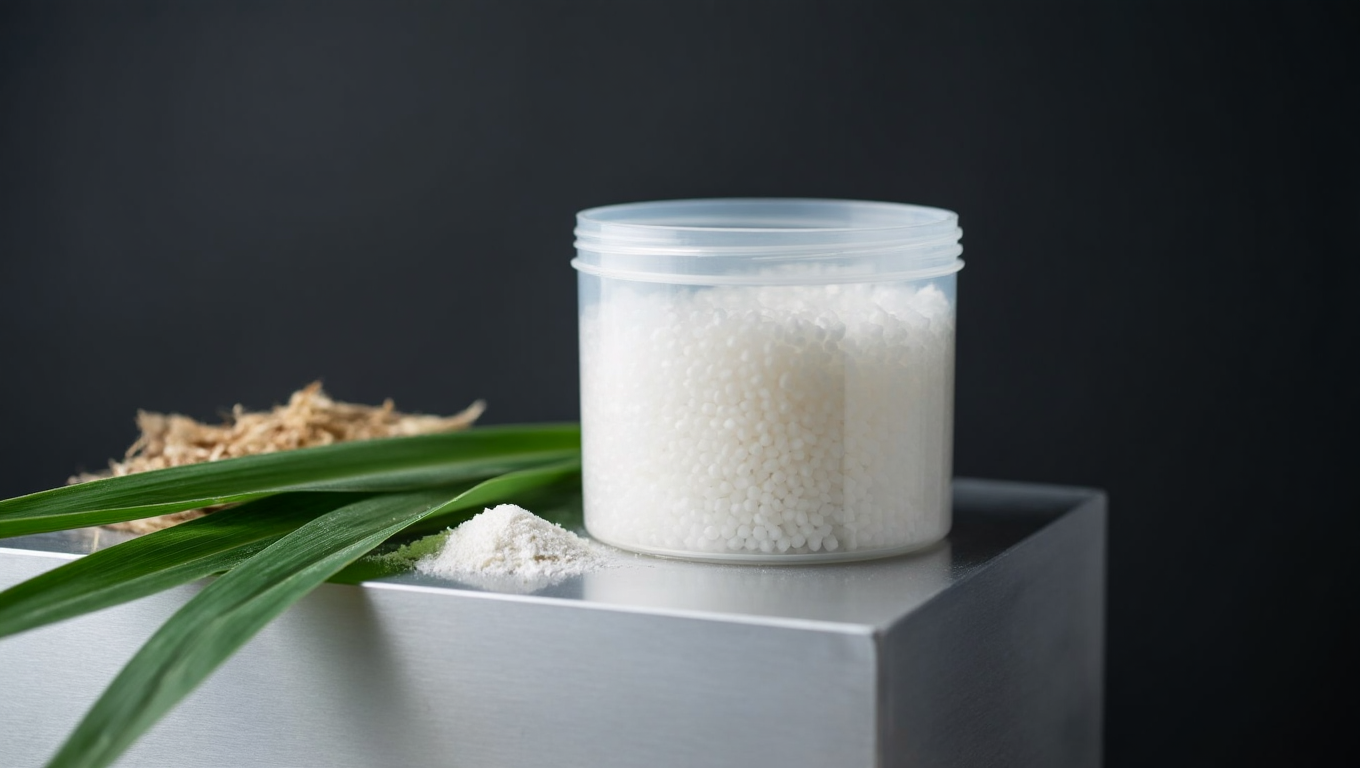
Mitsubishi Chemical has developed a bio-based polycarbonate using plant-derived isosorbide, a renewable material sourced from biomass. The polymer has already found commercial application in Honda's N-ONE electric vehicles, demonstrating that renewable engineering plastics can satisfy demanding industrial requirements.
Braskem has followed a different pathway by commercializing sugarcane-derived bio-based polyethylene, commonly known as Bio-PE. Unlike many emerging renewable polymers, this material already operates at industrial production scale and serves customers across multiple global markets.
These developments show that certain renewable polymer technologies have progressed beyond technical demonstrations and now compete within established supply chains.
Why Bio-Based Polymers Are Gaining Commercial Momentum
Several market trends are accelerating investment in renewable plastics.
Manufacturers continue searching for ways to reduce carbon emissions while maintaining product performance. At the same time, customers increasingly request materials with lower environmental impact without sacrificing durability or processing efficiency.
Bio-based polymers offer several advantages.
They reduce dependence on petroleum based raw materials, helping manufacturers diversify feedstock sources.
Many renewable polymers integrate into existing manufacturing processes with minimal equipment modifications.
Companies can strengthen sustainability initiatives while maintaining commercial product quality.
These advantages become even more attractive during periods of volatility in global oil markets.
Bio-PC and Bio-PE Follow Different Commercial Paths
Although both materials originate from renewable resources, they target different applications and market opportunities.
Bio-based polycarbonate focuses on high performance engineering applications where strength, transparency and heat resistance remain essential. Automotive manufacturers, electronics producers and durable consumer goods companies represent important end users.
Bio-based polyethylene serves a broader packaging and industrial market. Since its properties closely resemble conventional polyethylene, manufacturers can often adopt the renewable version without significant process changes.
This distinction illustrates an important trend within renewable materials. Commercial success depends not only on sustainability but also on compatibility with existing manufacturing infrastructure.
Which Bio-Based Polymer Technologies Still Face Challenges?
Despite encouraging commercial progress, many renewable polymer technologies remain in earlier stages of development.
Several alternative bio-based plastics continue to face obstacles including:
High production costs that limit competitiveness against conventional petrochemical products.
Limited manufacturing capacity that prevents large scale supply agreements.
Feedstock availability challenges that affect production consistency.
Technical performance requirements that still require further optimization.
As a result, procurement teams should distinguish between commercially established renewable polymers and technologies that remain under development.
What This Means for Procurement Professionals
The growing availability of commercial renewable polymers changes procurement strategy.
Instead of evaluating renewable materials solely as experimental alternatives, buyers can increasingly include them within competitive sourcing exercises.
Procurement teams should assess:
Long term production capacity from established manufacturers.
Regional availability and logistics for renewable feedstocks.
Product certifications required by downstream customers.
Compatibility with existing manufacturing equipment.
Supply security compared with conventional petrochemical materials.
A structured evaluation helps organizations identify where renewable polymers already deliver commercial value.
Market Outlook for Renewable Plastics
Commercial investment in bio-based polymers will likely continue as sustainability targets expand across manufacturing industries.
Automotive companies continue reducing lifecycle emissions throughout their supply chains. Packaging manufacturers seek renewable alternatives that satisfy both environmental expectations and performance requirements. Consumer brands also face increasing pressure to incorporate renewable materials into everyday products.
As production volumes increase, economies of scale may improve cost competitiveness for additional renewable polymers. This could encourage more manufacturers to move promising technologies from pilot facilities into commercial production.
The Bottom Line for Polymer Buyers
The renewable polymer market has entered a more mature stage than many procurement professionals realize. While numerous technologies remain under development, bio-based polycarbonate and bio-based polyethylene demonstrate that commercial success is already achievable when performance, manufacturing compatibility and supply reliability align.
For chemical buyers, the key opportunity lies in identifying renewable materials that have already crossed the gap between innovation and industrial production. Those products offer a practical route toward more diversified and resilient sourcing strategies without waiting for future technological breakthroughs.
Ready to source bio-based polymers from verified global suppliers? Explore competitive offers on our platform today.
Polyethylene Terephthalate (PET)
Found this useful?