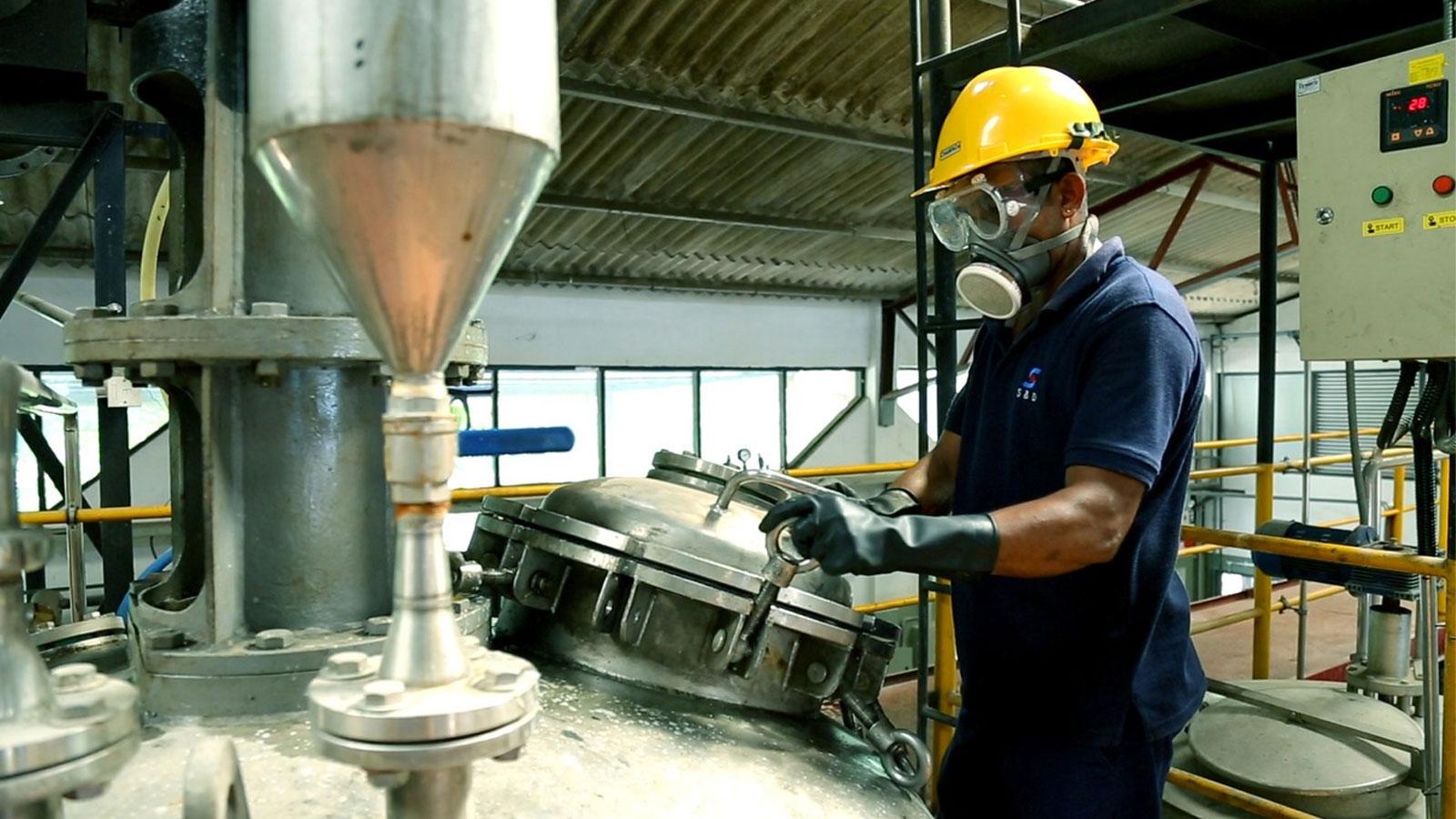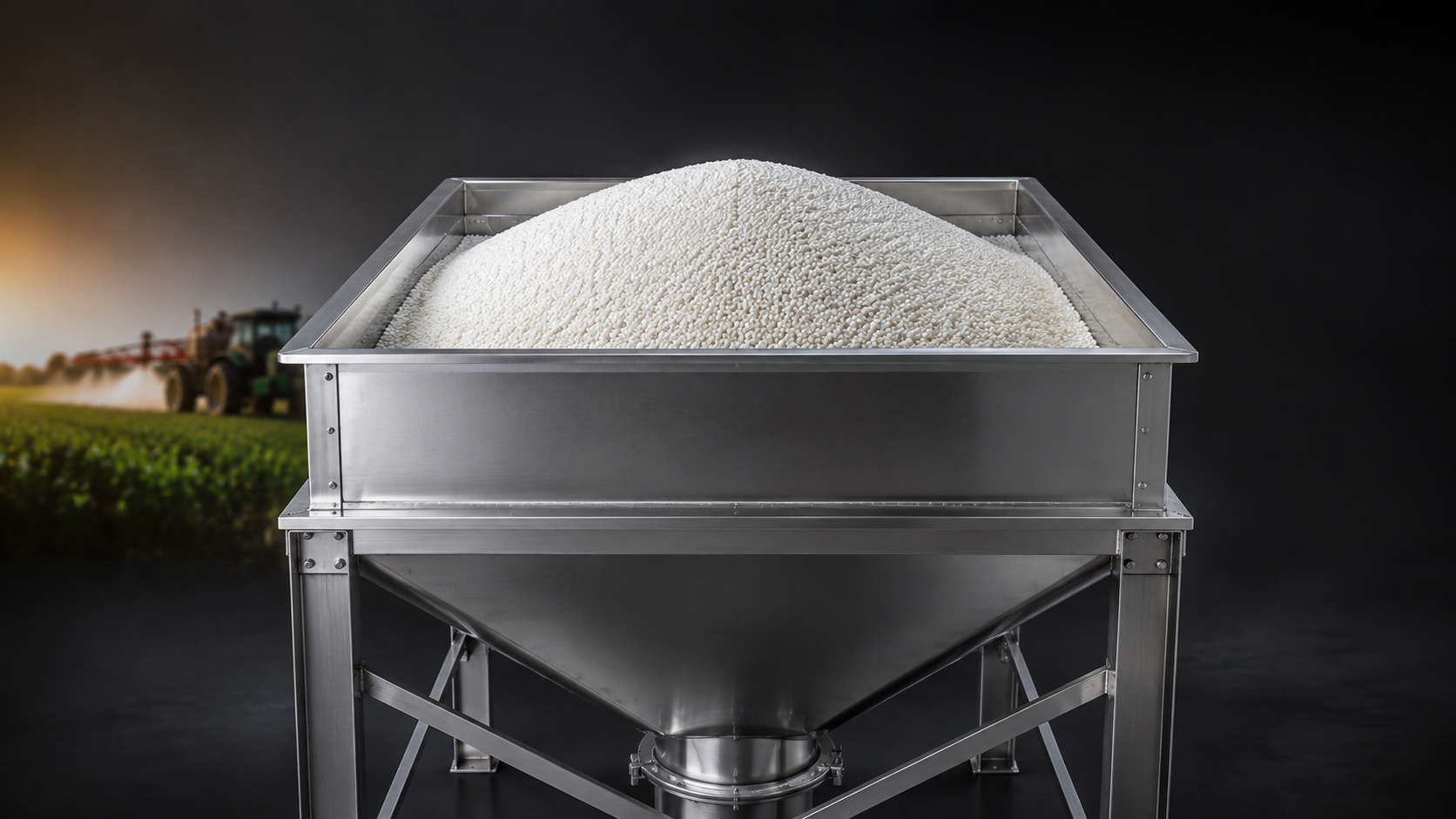
Commodity-Specialty Divide Shapes Capital Allocation Across Agrochemical Value Chains
Capital allocation across agrochemical value chains is increasingly shaped by the gap between commodity exposure and specialty value. PwC's finding that capital increasingly favors specialty over commodity-exposed assets highlights a strategic shift that matters well beyond corporate investment decisions.
For agrochemical companies, the divide can influence where money goes, which assets receive upgrades and how businesses balance bulk active ingredients against higher-value formulated products. For chemical traders and procurement teams, it can also signal changes in supplier strategies, capacity planning and future sourcing opportunities.
Why the Commodity-Specialty Divide Matters
Agrochemical markets contain several layers of value, from large-volume raw materials and active ingredients to finished formulations designed for specific crops, pests or application conditions. These layers can carry very different margins, capital requirements and exposure to price cycles.
Commodity-oriented assets typically depend more heavily on production scale, feedstock economics and global supply-demand conditions. Specialty products can create additional value through formulation expertise, differentiated performance, application technology and closer relationships with agricultural customers.
This distinction affects capital allocation because companies must decide whether additional investment should expand volume or strengthen differentiation.
The strategic questions increasingly include:
Where can capital generate stronger returns? Companies may favor assets with greater pricing power or more specialized applications.
How much commodity exposure is sustainable? Large-volume products can support scale but may expose producers to sharper price movements.
Which downstream opportunities offer greater value? Formulated products can move companies closer to end users and specific agricultural requirements.
For procurement professionals, these decisions can eventually change the availability and commercial positioning of both bulk chemicals and specialty formulations.
Bulk Actives Face a Different Capital Logic
Bulk active ingredients remain essential to agricultural production, particularly where large cultivated areas require dependable crop protection inputs. However, commodity exposure can make investment decisions more sensitive to capacity utilization, production costs and market pricing.
A company operating a large-scale active ingredient facility may compete primarily through manufacturing efficiency, feedstock access and supply reliability. When global capacity expands faster than demand, additional volume can place pressure on margins and reduce the attractiveness of new commodity-oriented investment.
That does not make bulk actives strategically irrelevant. Reliable active ingredient production remains a critical part of the supply chain, particularly for traders and buyers managing large-volume procurement programs.
The capital allocation question instead becomes one of balance. Producers may seek to maintain efficient commodity operations while directing incremental investment toward differentiated downstream opportunities.
Formulated Products Capture More Value
Higher-value formulations provide agrochemical companies with another route to strengthen commercial positioning. Instead of selling only a bulk active ingredient, a company can develop products around specific application needs, crop conditions or performance requirements.
Formulation can involve combinations of active ingredients, solvents, adjuvants and other functional components. These products may require more technical development and customer support, but they can also create greater differentiation than a standardized bulk chemical.
For chemical traders, this creates a more complex sourcing environment. Buyers need to evaluate not only the underlying active ingredient but also formulation capabilities, technical specifications, consistency and market access.
The shift toward specialty products can therefore increase demand for suppliers that offer:
Consistent formulation quality across production batches.
Technical expertise that supports product customization.
Reliable access to specialized raw materials and additives.
Strong documentation and supply chain coordination.
Flexible production capabilities for different market requirements.
What the Shift Means for Agrochemical Procurement
Capital allocation decisions made by producers can eventually affect procurement conditions. When companies prioritize specialty assets, investment may move toward formulation facilities, technical capabilities and differentiated product portfolios rather than purely expanding commodity capacity.
That can influence procurement in several ways.
First, buyers may encounter a broader range of specialized products while seeing less aggressive capacity expansion in some commodity-exposed segments. Second, supplier relationships may become more important as companies seek dependable access to differentiated inputs.
Procurement teams should therefore avoid evaluating suppliers solely on headline price. A lower purchase price can lose its advantage if inconsistent quality, long lead times or limited technical support create additional operational costs.
Supply reliability becomes particularly important when specialized products have fewer qualified sources. Buyers may need to maintain relationships with multiple suppliers while also identifying producers with the technical capability to support longer-term requirements.
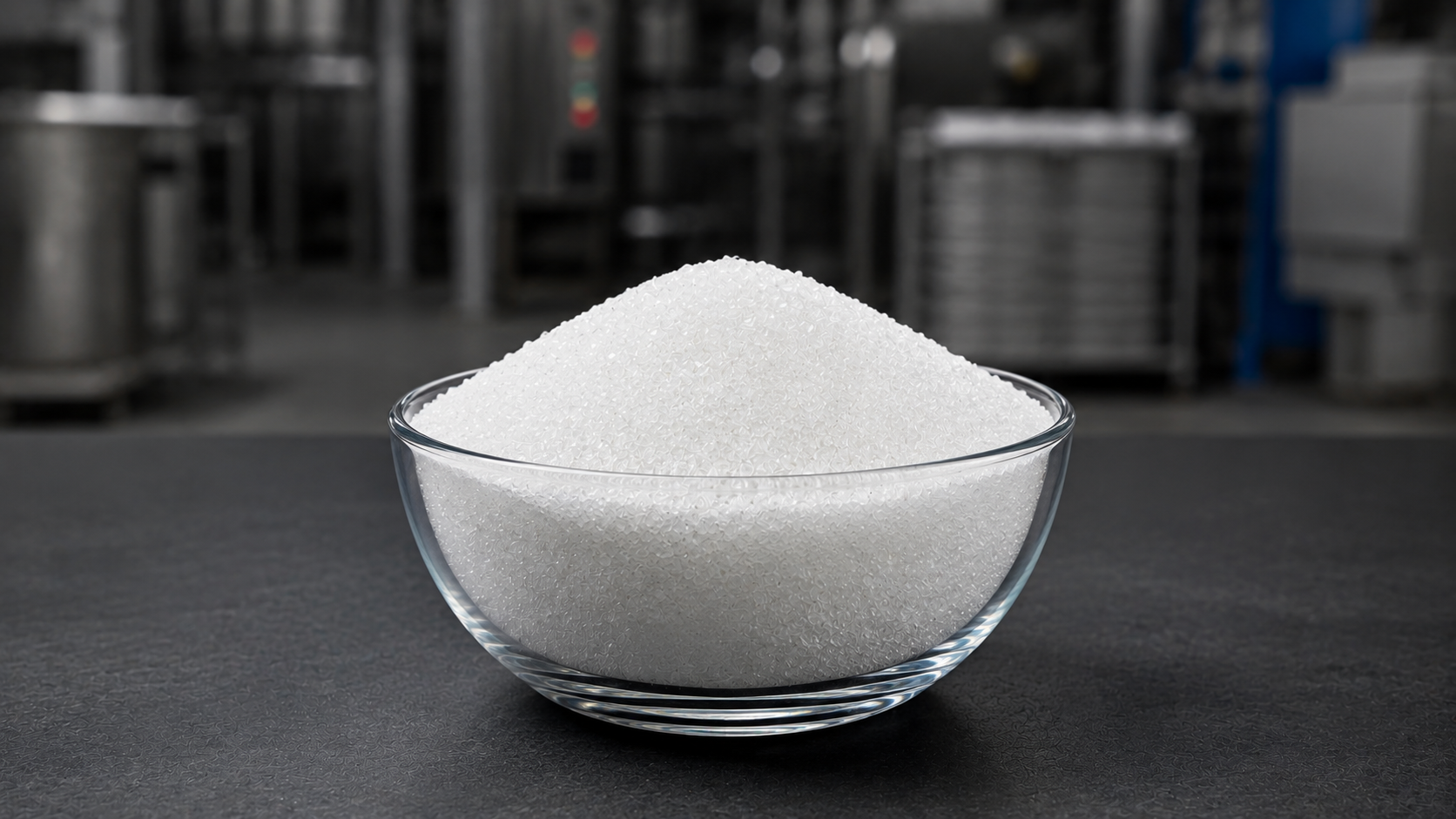
Specialty Investment Can Reshape Supplier Networks
The movement of capital toward specialty products can gradually reshape the supplier landscape. Producers that expand formulation capabilities may become more important partners for agricultural chemical distributors and regional buyers.
This can also create opportunities for chemical traders that understand both upstream commodity markets and downstream specialty demand. Traders can add value by connecting producers with buyers, managing cross-border logistics and identifying alternative supply sources when market conditions change.
For importers and exporters, product differentiation may become increasingly important when assessing trade opportunities. A market with several suppliers of a standard bulk ingredient may offer limited differentiation, while a specialized formulation can create stronger commercial opportunities if demand and regulatory requirements support it.
The result is a supply chain where market knowledge becomes as important as product availability. Traders need to understand how producer investment decisions could influence capacity, product portfolios and regional supply.
Capital Allocation Changes the Competitive Landscape
The commodity-specialty divide can also influence how agrochemical companies position themselves against competitors. Businesses concentrated in commodity-exposed products may focus on operational efficiency, scale and cost management.
Companies with stronger specialty portfolios may instead prioritize product development, formulation technology and customer-specific solutions. Their capital requirements can differ significantly because value creation depends on technical capabilities as well as manufacturing volume.
This divergence can lead to different strategies across the same industry. One producer may invest in expanding efficient bulk production while another allocates resources toward specialty formulations and downstream market development.
For buyers, understanding these strategies can provide useful insight into future supplier behavior. A producer's investment direction can offer clues about which products it intends to prioritize and where it may seek stronger market positions.
The Procurement Risks Buyers Should Monitor
A shift toward specialty products does not eliminate commodity supply risks. Instead, it can create a more layered risk profile across the agrochemical value chain.
Procurement teams should monitor several areas:
Capacity concentration: Specialty products may rely on fewer qualified producers, increasing dependency on individual suppliers.
Raw material exposure: Formulators remain dependent on upstream chemicals, solvents and active ingredients that can experience commodity price cycles.
Technical specifications: Specialized products can require tighter quality controls, making supplier substitution more difficult.
Lead times: Smaller production runs or customized formulations can create different scheduling requirements than bulk commodities.
Portfolio changes: Suppliers reallocating capital may discontinue lower-priority products or reduce investment in selected commodity segments.
These factors make supplier diversification more strategic. Buyers may benefit from maintaining qualified alternatives before a disruption occurs rather than searching for replacement capacity after supply becomes constrained.
How Traders Can Adapt to the New Value Structure
Chemical traders operate between producers and buyers, giving them an important role as the industry moves toward greater specialization. The ability to identify shifts in producer portfolios can help traders anticipate where demand and supply relationships may change.
A stronger trading strategy can include:
Track producer investment priorities. Changes in manufacturing capacity and product portfolios can indicate where suppliers expect future value.
Separate commodity and specialty opportunities. Different products require different approaches to pricing, supplier qualification and inventory management.
Build technical product knowledge. Understanding specifications and formulation requirements can improve buyer-supplier matching.
Maintain diversified sourcing channels. Alternative suppliers become more valuable when specialized products have limited production bases.
Watch downstream demand. Specialty investment ultimately depends on agricultural customers willing to pay for differentiated performance.
This approach allows traders to compete through market intelligence and supply chain expertise rather than relying only on transactional volume.
What Buyers Should Do Now
The growing preference for specialty assets does not mean procurement teams should abandon commodity sourcing. Bulk chemicals and active ingredients remain foundational to agricultural supply, while specialty formulations can provide additional value further downstream.
The more important change is how buyers evaluate their supply strategies. Procurement decisions should reflect the different risk and value profiles across the agrochemical chain.
Buyers can strengthen their position by:
Mapping critical suppliers across both commodity and specialty categories.
Reviewing where supply depends on a small number of qualified producers.
Comparing total procurement value rather than purchase price alone.
Developing alternative sources for strategically important products.
Monitoring supplier portfolio changes and manufacturing investments.
Building closer technical relationships with specialty formulation suppliers.
For importers and exporters, this shift also creates a reason to broaden market intelligence beyond current pricing. Understanding where producers are allocating capital can help buyers anticipate future supply priorities and identify emerging trade opportunities.
The Bottom Line for Agrochemical Procurement
PwC's finding that capital increasingly favors specialty over commodity-exposed assets points to a broader strategic distinction within agrochemical value chains. Companies face different economic incentives when allocating capital between high-volume commodity assets and differentiated formulated products.
For procurement teams, the key implication is not simply that specialty products will replace commodities. Instead, the market may increasingly operate through a combination of efficient bulk production and targeted investment in higher-value downstream capabilities.
Chemical traders that understand this divide can better assess supplier strength, sourcing risk and future market opportunities. Buyers that incorporate capital allocation trends into supplier evaluation can also make more resilient purchasing decisions as agrochemical companies reshape their portfolios.
Ready to source Urea (Granular) - Egypt from verified global suppliers? Explore competitive offers on our platform today.
Urea (Granular) - Egypt
Found this useful?