Consumer Spending & Chemical Demand Outlook | Procurement Intelligence | ChemicalsBlog.com
Chemical Markets
schedule4 Min Read
Consumer Spending Growth Slows to 1.4%: The Demand-Side Drag on 2026 Chemical Output
terminal
prodchem
Jul 16, 2026
Consumer spending is one of the most important drivers of industrial demand.
Although consumers rarely purchase chemicals directly, nearly every consumer product depends on chemicals somewhere in its manufacturing process.
When household spending grows more slowly, the effects gradually spread across manufacturing industries and eventually influence chemical production.
For procurement professionals, monitoring consumer demand provides valuable insight into future market conditions.
Why Consumer Spending Matters
Consumer demand supports production across numerous industries, including:
Packaging.
Automotive.
Electronics.
Household products.
Construction materials.
Textiles.
Furniture.
These industries consume large volumes of commodity and specialty chemicals throughout their manufacturing processes.
Slower Spending Moderates Manufacturing Activity
More moderate consumer spending growth may contribute to:
Slower retail inventory replenishment.
Reduced manufacturing output growth.
More cautious capital investment.
Lower industrial production growth.
Moderate raw material demand.
This does not necessarily indicate declining demand, but rather a slower pace of expansion.
Chemical Demand Varies by End Market
Different chemical segments respond differently to consumer demand.
Examples include:
Commodity Chemicals
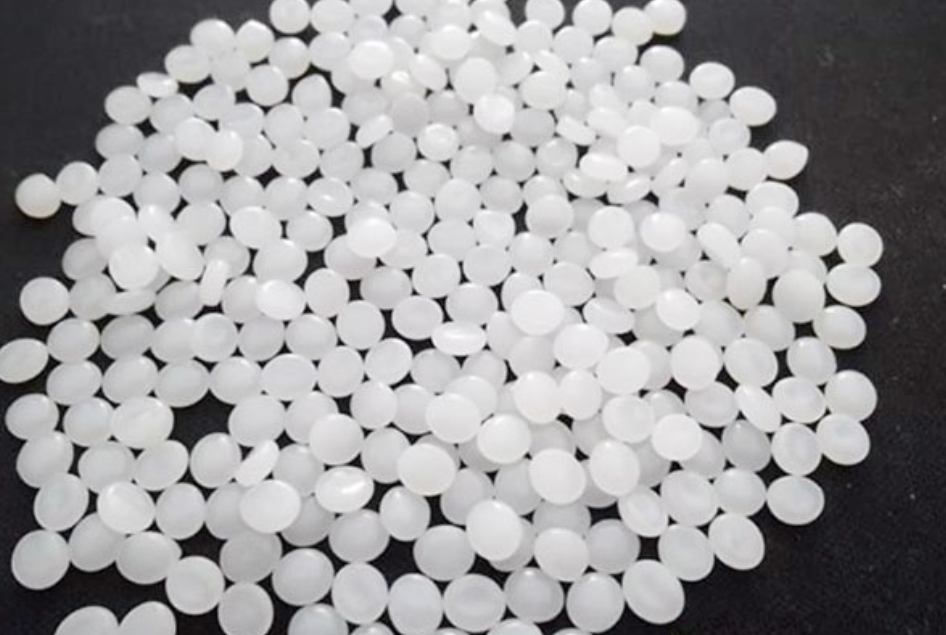
Packaging resins.
Basic petrochemicals.
Industrial plastics.
Specialty Chemicals
Personal care ingredients.
Food additives.
Electronic chemicals.
Performance materials.
Understanding end-market exposure helps procurement teams evaluate supplier resilience.
Procurement Should Monitor Demand Indicators
Consumer spending should be analysed alongside:
Retail sales.
Manufacturing PMIs.
Industrial production.
Housing activity.
Automotive production.
Business investment.
Producer price trends.
Together, these indicators provide a more complete picture of future chemical demand.
Slower Growth Creates Different Procurement Opportunities
Moderating demand can influence supplier behaviour through:
Greater pricing competition.
More flexible contract negotiations.
Improved product availability.
Lower inventory pressure.
Increased focus on customer retention.
Procurement teams can use these conditions to strengthen commercial negotiations while maintaining supply security.
Consumer Demand Influences the Entire Chemical Value Chain
Slower household spending affects more than consumer-facing industries.
As demand moderates, the impact gradually flows through upstream manufacturing, reducing growth expectations for raw materials, intermediates and finished chemical products.
Industries commonly affected include:
Plastic packaging.
Synthetic fibres.
Paints and coatings.
Adhesives and sealants.
Household chemicals.
Automotive materials.
Construction products.
Because these sectors represent significant chemical consumers, procurement teams should closely monitor downstream demand signals.
Commodity Chemicals Typically Feel the Impact First
Consumer spending often has the greatest influence on commodity chemicals because they serve high-volume manufacturing industries.
Examples include:
Polyethylene (PE).
Polypropylene (PP).
Polyvinyl Chloride (PVC).
Styrene monomer.
Ethylene glycol.
Caustic soda.
Methanol.
Demand for these products generally reflects trends in consumer goods production, packaging activity and industrial manufacturing.
Procurement Should Combine Consumer and Industrial Indicators
Consumer spending data is most valuable when evaluated alongside broader economic indicators such as:
GDP growth.
Manufacturing PMI.
Industrial production.
Producer Price Index (PPI).
Retail inventory levels.
Capacity utilisation.
Freight activity.
This integrated approach provides procurement teams with a more reliable picture of future demand than relying on a single economic metric.
Procurement Priorities for H2 2026
As consumer spending growth moderates, procurement organisations should:
Update demand forecasts using multiple economic scenarios.
Monitor consumer-driven end markets alongside industrial production.
Review inventory policies to avoid excess stock.
Strengthen supplier collaboration on demand planning.
Evaluate opportunities for long-term purchasing agreements in competitive markets.
Track regional differences in consumer demand recovery.
Continue monitoring macroeconomic indicators that influence chemical consumption.
These actions help organisations align procurement decisions with changing market conditions while maintaining supply chain resilience.
Looking Ahead to H2 2026
Forecasts for slower consumer spending growth suggest that the chemical industry may experience a more measured pace of demand expansion rather than a sharp acceleration. Since chemicals are embedded throughout consumer goods, packaging, construction, automotive and electronics manufacturing, changes in household spending gradually influence industrial production and raw material consumption across multiple sectors.
For procurement professionals, the slowdown should be viewed as a planning consideration rather than a signal of broad market weakness. Commodity chemical markets may remain competitive as manufacturers balance production with more moderate demand growth, while specialty chemical demand will continue to depend on the strength of individual end-use industries such as semiconductors, healthcare and energy transition technologies.
The key lesson for H2 2026 is that consumer spending remains one of the most important leading demand indicators for the chemical industry. Procurement organisations that combine consumer spending analysis with manufacturing data, regional economic trends and supplier intelligence will be better positioned to optimise sourcing strategies, manage inventory efficiently and respond proactively to evolving market conditions.
Ready to source industrial and specialty chemicals from verified global suppliers while navigating changing demand conditions with confidence? Explore competitive offers on our platform today.