Consumer staples proved relatively resilient during the previous week's technology driven market selloff, reflecting investors' preference for defensive sectors during periods of uncertainty. That resilience now faces a new challenge as crude oil moves toward $90 per barrel and the collapse of a ceasefire raises fresh concerns about energy markets and global supply chains.
For food manufacturers, chemical traders and procurement professionals, this shift extends beyond financial markets. Rising oil prices influence transportation, packaging materials, petrochemical feedstocks and manufacturing costs, creating pricing pressure that can gradually spread across consumer staple supply chains.
Consumer staples include products that households purchase regardless of economic conditions. Food, beverages, personal care products and cleaning supplies generally maintain stable demand even when discretionary spending slows.
Investors often rotate into these businesses because:
Demand for everyday essentials remains relatively consistent during economic uncertainty.
Manufacturers usually have stronger pricing power than companies selling discretionary goods.
Cash flows tend to remain more predictable during periods of market volatility.
While this stability provides some protection, it does not eliminate rising input costs.
Oil Prices Influence More Than Fuel Costs
Crude oil remains one of the most important cost drivers for consumer goods manufacturing. As prices approach $90 per barrel, companies begin evaluating how higher energy expenses could affect operations throughout the value chain.
Several important cost areas become more exposed:
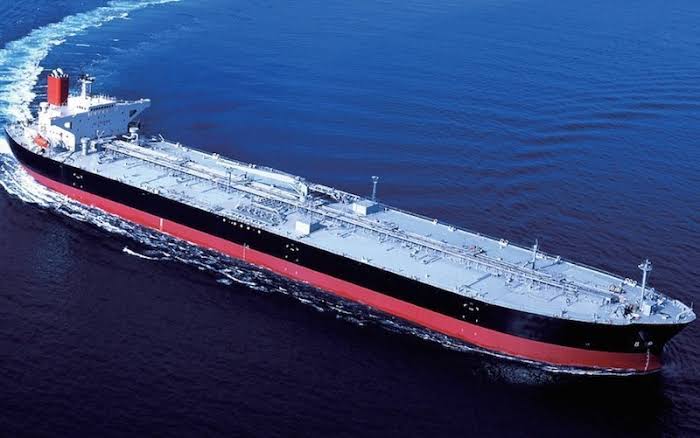
Freight rates often increase as diesel and marine fuel become more expensive.
Plastic packaging manufacturers face changing costs for petrochemical feedstocks.
Industrial energy bills rise for factories producing food ingredients and packaged goods.
Agricultural production can experience higher fuel and fertiliser related operating expenses.
These pressures rarely appear simultaneously, but they can reinforce each other over time.
The Chemical Supply Chain Feels the Impact
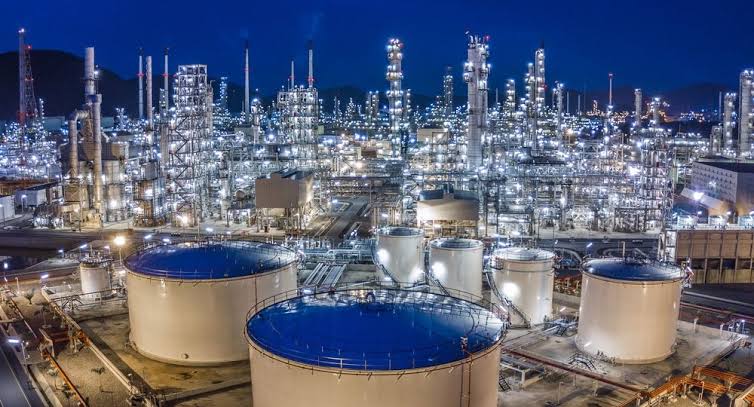
Many packaging materials and industrial chemicals originate from petroleum based feedstocks. As crude prices strengthen, market participants closely monitor downstream pricing across multiple product categories.
Products that may experience indirect cost pressure include:
Polyethylene and polypropylene used in flexible and rigid food packaging.
Solvents used in coatings, printing inks and industrial manufacturing.
Synthetic additives used across food processing and consumer goods production.
Logistics chemicals including fuels and lubricants that support manufacturing operations.
Higher crude prices do not guarantee immediate chemical price increases, but they raise the likelihood of upward pressure if elevated energy markets persist.
Why the Ceasefire Collapse Matters for Procurement
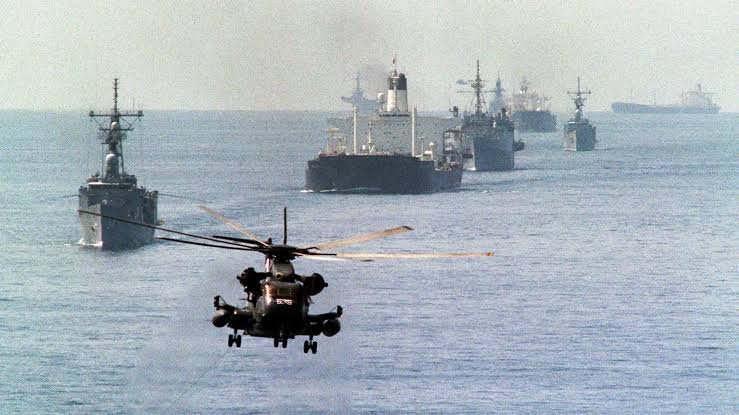
Geopolitical developments often affect commodity markets before physical supply disruptions occur. The collapse of a ceasefire increases uncertainty surrounding energy production, shipping routes and investor expectations.
Procurement teams should pay attention because uncertainty can influence:
Commodity market volatility.
Ocean freight pricing.
Insurance costs for international cargo.
Inventory management decisions throughout manufacturing supply chains.
Even if supply remains uninterrupted, uncertainty itself can affect purchasing behaviour and contract negotiations.
Packaging Costs Could Become a Key Pressure Point
Packaging represents a significant cost component for many consumer staple products. Plastic films, rigid containers, labels and closures all depend on energy intensive manufacturing processes.
Procurement professionals should monitor:
Resin price movements alongside crude oil trends.
Supplier announcements regarding energy surcharges.
Regional differences in manufacturing costs.
Availability of recycled materials as an alternative supply source.
Packaging inflation may develop gradually, making early market monitoring valuable for budgeting purposes.
Procurement Priorities During Energy Market Volatility
Businesses cannot control oil prices, but they can improve purchasing resilience through proactive planning.
Effective procurement strategies include:
Maintain regular communication with strategic suppliers regarding expected cost movements.
Review contract terms covering raw material and energy related price adjustments.
Diversify supplier locations where commercially practical.
Monitor inventory carefully to avoid emergency purchases during volatile markets.
Compare total landed costs instead of focusing only on product prices.
These actions help reduce exposure to unexpected cost increases while maintaining supply continuity.
What Buyers Should Watch in the Months Ahead
Consumer staples continue to benefit from relatively stable end market demand, but profitability increasingly depends on controlling production and procurement costs. If crude oil remains near $90 or moves higher, manufacturers may encounter additional pressure across transportation, packaging and chemical inputs.
Procurement teams should monitor energy markets alongside polymer pricing, freight rates and supplier lead times rather than viewing each factor independently. Companies that respond early to changing market conditions will be better positioned to manage costs while maintaining reliable supply.
Ready to source consumer staple chemicals and packaging materials from verified global suppliers? Explore competitive offers on our platform today.