Corrosion Inhibitors: Selection, Applications and Performance Requirements
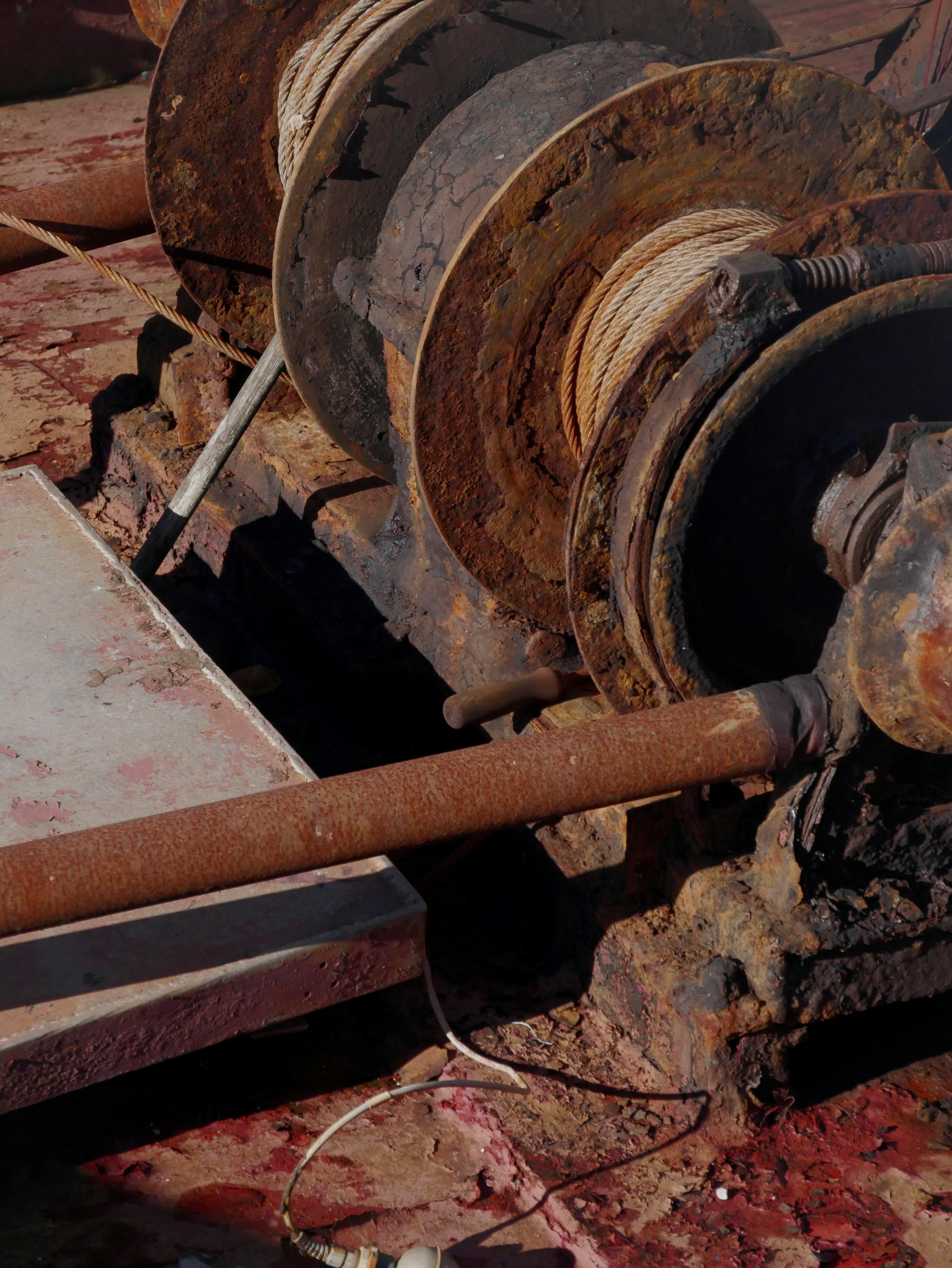
Corrosion is a major challenge across industries that operate metal equipment, pipelines, storage tanks and processing systems. Exposure to water, oxygen, acids, salts and other aggressive substances can gradually damage metal surfaces, reducing equipment reliability and increasing maintenance costs.
Corrosion inhibitors are chemical substances that slow down corrosion reactions when introduced into a corrosive environment. They work by reducing the interaction between the metal surface and the surrounding environment, helping extend equipment service life and maintain operational reliability.
These chemicals are widely used in oil and gas production, petroleum refining, chemical manufacturing, industrial water treatment, power generation and other sectors where metal protection is essential.
Selecting an appropriate inhibitor requires more than comparing its advertised corrosion-reduction performance. Its chemical compatibility, operating conditions, environmental profile and ability to perform consistently in the actual industrial system must also be considered.
Major Types of Corrosion Inhibitors
Corrosion inhibitors can be classified according to their chemical composition and the mechanism through which they protect metal surfaces.
1. Anodic Inhibitors
Anodic inhibitors reduce corrosion by slowing the metal dissolution reaction at anodic sites. They often promote the formation of a protective oxide or passive film on the metal surface.
Examples include certain chromate-, phosphate- and molybdate-based compounds, although their suitability depends on the application and environmental regulations.
These inhibitors are used in selected cooling-water systems and industrial applications. Their concentration must be carefully controlled because insufficient dosing of some anodic inhibitors can increase the risk of localized corrosion.
2. Cathodic Inhibitors
Cathodic inhibitors reduce corrosion by slowing reactions occurring at cathodic sites on a metal surface. Depending on their chemistry, they may interfere with oxygen reduction or promote the formation of protective deposits.
Examples include certain zinc compounds and other cathodic-treatment chemicals used in industrial water systems.
Their effectiveness depends on water chemistry, operating conditions and the compatibility of the treatment with the system.
3. Mixed Inhibitors
Mixed inhibitors influence both anodic and cathodic reactions. They are designed to provide broader protection by reducing the overall electrochemical corrosion process.
Many commercial formulations contain combinations of active ingredients, surfactants and solvents to improve surface protection, dispersion and chemical delivery.
4. Film-Forming Organic Inhibitors
Film-forming inhibitors attach to metal surfaces and create a thin protective layer that limits contact between the metal and corrosive substances.
Common chemical families include amines, imidazolines, fatty-acid derivatives and other nitrogen-containing organic compounds.
They are particularly important in oil and gas production, where carbon steel pipelines and equipment may be exposed to water containing carbon dioxide, hydrogen sulphide and other corrosive components.
Industrial Applications of Corrosion Inhibitors
Corrosion inhibitors are used across several industries because different operating environments create different corrosion risks.
Oil and Gas Industry
Oil and gas production systems frequently handle mixtures of hydrocarbons, water and corrosive gases. Carbon dioxide and hydrogen sulphide can contribute to internal corrosion, particularly when water is present.
Corrosion inhibitors are injected into production wells, gathering systems, pipelines and processing equipment to reduce metal loss.
Common applications include:
Oil and gas production pipelines.
Gas gathering and transportation systems.
Refinery processing equipment.
Offshore production facilities.
Storage and separation systems.
The selection of an inhibitor depends on temperature, pressure, fluid composition, water cut, flow conditions and the metallurgy of the equipment.
Industrial Water Treatment
Cooling towers, boilers and heat exchangers can experience corrosion due to dissolved oxygen, salts, changes in pH and other water-quality factors.
Inhibitors help protect metal surfaces and maintain the performance of water circulation systems.
Depending on the treatment programme, formulations may include phosphonates, phosphates, molybdates, zinc-based compounds and other chemistries.
The treatment must be compatible with the water composition, system materials and other chemicals used for scale and biological control.
Chemical Manufacturing and Petroleum Refining
Chemical plants and refineries operate with acids, solvents, hydrocarbons, steam and process water. These substances can create aggressive conditions for metal equipment.
Corrosion inhibitors are used in selected process streams, storage systems, heat exchangers and other equipment to reduce corrosion-related damage.
In refinery applications, inhibitor performance must be assessed under representative process conditions, including temperature, pressure and fluid composition.

Construction and Concrete Protection
Reinforced concrete structures can experience corrosion when moisture, chlorides and other aggressive substances reach embedded steel reinforcement.
Corrosion-inhibiting admixtures can be incorporated into concrete to help protect reinforcing steel. Other inhibitor treatments may be applied to existing structures, depending on the repair and protection strategy.
These products are relevant to bridges, parking structures, marine infrastructure and industrial buildings exposed to demanding environments.
How to Select the Right Corrosion Inhibitor
Choosing the correct corrosion inhibitor requires a systematic assessment of the metal, corrosive environment and operating conditions. A chemical that performs well in one industrial system may not deliver the same results in another.
1. Identify the Corrosive Environment
The first step is to understand the substances responsible for corrosion. Important factors may include dissolved oxygen, carbon dioxide, hydrogen sulphide, chloride concentration, acidity and water content.
For example, an inhibitor designed for an oilfield system containing CO₂ and H₂S may not be suitable for an oxygen-rich cooling-water circuit.
2. Consider Operating Temperature and Pressure
Temperature and pressure influence corrosion reactions, chemical stability and inhibitor behaviour.
Some formulations lose effectiveness at elevated temperatures, while others may experience changes in solubility or chemical composition. High-pressure systems also require suitable testing conditions to assess actual field performance.
3. Evaluate Flow Conditions
Fluid velocity and flow patterns affect how an inhibitor reaches and remains on the metal surface.
High flow rates, turbulence and wall shear stress can remove protective films or reduce inhibitor coverage. Testing should therefore reflect the hydrodynamic conditions of the intended application.
4. Check Material Compatibility
The inhibitor must be suitable for the materials used in the system, including carbon steel, stainless steel, copper alloys and other components.
Compatibility testing should also consider seals, elastomers, coatings and other materials that may come into contact with the chemical.
5. Assess Chemical Compatibility
Industrial systems commonly use multiple treatment chemicals, including biocides, scale inhibitors, demulsifiers and defoamers.
An inhibitor may interact with these products and cause precipitation, foaming, emulsion formation or reduced treatment effectiveness. Compatibility testing is therefore an important part of product selection.
6. Review Environmental and Safety Requirements
Chemical selection should account for toxicity, biodegradability, bioaccumulation potential, handling requirements and applicable environmental regulations.
A technically effective inhibitor may not be suitable if it creates unacceptable environmental or occupational risks.
Key Performance Requirements
A corrosion inhibitor must demonstrate reliable performance under the conditions in which it will be used. Industrial buyers and operators should evaluate several technical requirements before approving a product.
Performance requirement | Why it matters |
|---|---|
Corrosion reduction | Measures how effectively the chemical reduces corrosion rate |
Film stability | Determines whether the protective layer remains effective over time |
Thermal stability | Confirms performance under operating temperatures |
Solubility and dispersibility | Supports effective chemical delivery and distribution |
Chemical compatibility | Reduces unwanted interactions with other treatment products |
Emulsion and foam control | Helps prevent operational problems in processing systems |
Environmental profile | Supports regulatory compliance and responsible chemical use |
Long-term reliability | Helps maintain protection during continuous operation |
Corrosion inhibition efficiency is commonly assessed by comparing corrosion rates before and after treatment. One general calculation is:
Where:
(CR_0) = corrosion rate without inhibitor.
(CR_i) = corrosion rate with inhibitor.
For example, if the untreated corrosion rate is 10 mm/year and the treated rate is 2 mm/year, the calculated inhibition efficiency is 80%.
This figure alone does not establish whether a product is suitable. Localized corrosion, film durability, compatibility and actual operating conditions must also be evaluated.
Testing and Monitoring Corrosion Inhibitor Performance
Laboratory evaluation helps determine whether an inhibitor is suitable before it is introduced into an industrial system.
Common evaluation approaches include:
Weight-loss testing: Metal coupons are exposed to a corrosive environment for a specified period. Their mass loss is measured to estimate the corrosion rate.
Electrochemical testing: Techniques such as linear polarization resistance (LPR) and other electrochemical methods help assess corrosion behaviour and inhibitor effectiveness.
Flow-loop testing: These tests simulate fluid movement and operating conditions to evaluate inhibitor performance under controlled flow.
Rotating cylinder electrode testing: This method helps assess inhibitor behaviour under controlled hydrodynamic conditions and different levels of shear.
Once a product is deployed, field monitoring remains essential. Corrosion coupons, corrosion probes, iron and manganese measurements, and process data can help operators identify changes in corrosion behaviour.
ASTM G170 provides guidance on laboratory evaluation and qualification of oilfield and refinery corrosion inhibitors. Its 2026 edition also highlights the importance of considering factors such as material composition, fluid composition, temperature, pressure and flow when designing relevant tests.
Challenges in Corrosion Inhibitor Applications
Even a properly selected inhibitor can encounter operational challenges. These issues can reduce protection or create additional problems within industrial systems.
Incorrect dosage: Insufficient chemical concentration may provide inadequate protection, while excessive dosing can increase costs or cause unwanted process effects.
Poor distribution: Inhibitors may not reach all required metal surfaces, particularly in complex pipeline networks.
Chemical incompatibility: Interactions with other treatment chemicals can cause deposits, emulsions or precipitation.
Changing operating conditions: Variations in temperature, pressure, fluid composition and flow can affect performance.
Inadequate monitoring: Without regular assessment, declining inhibitor performance may remain undetected.
Environmental restrictions: Changes in environmental requirements can affect which formulations are acceptable for industrial use.
Addressing these challenges requires coordinated work between chemical suppliers, corrosion specialists, engineers and plant operators.
Market Demand and the Future of Corrosion Protection
Industrial demand for corrosion inhibitors is closely connected to the need to maintain ageing infrastructure, protect high-value equipment and reduce unplanned maintenance.
Oil and gas operators continue to require effective internal corrosion protection for pipelines and production facilities. Meanwhile, water treatment, power generation, chemical manufacturing and construction create additional demand for specialized inhibitor formulations.
Research and product development are increasingly focused on improving chemical efficiency, reducing environmental impact and developing formulations suitable for demanding operating conditions.
Bio-based and lower-toxicity inhibitor chemistries are receiving attention as industries evaluate alternatives to conventional formulations. However, these products must demonstrate reliable performance, compatibility and economic suitability before they can replace established treatments in critical applications.
Digital monitoring and improved corrosion-management programmes may also support more responsive chemical dosing. By combining corrosion measurements with operating data, facilities can make better-informed decisions about treatment requirements and maintenance planning.
What Industrial Buyers Should Consider
For procurement teams, selecting a corrosion inhibitor should involve more than comparing price per kilogram or litre. A complete assessment should include active chemical composition, recommended dosage, technical data, laboratory test results, compatibility information, safety documentation and supplier support.
Buyers should also request application-specific performance evidence and confirm whether the product meets relevant technical and environmental requirements.
Ultimately, the most suitable corrosion inhibitor is one that provides dependable protection under actual operating conditions while remaining compatible with the process, materials and wider chemical-treatment programme.
https://store.astm.org/g0170-26.html?https://www.normsplash.com/Samples/NACE/143583859/NACE-SP21469-2021-en.pdf?
Acrylonitrile Butadiene Styrene (ABS)
Found this useful?